
HomeBlogComparing Conventional Packaging Techniques with G-Tech Packaging Machines

Comparing Conventional Packaging Techniques with G-Tech Packaging Machines

Packaging is essential to maintaining product safety, effectiveness, and market appeal in today’s cutthroat manufacturing environment. More and more companies are switching from antiquated manual processes to cutting-edge automated solutions like those provided by G-Tech Packaging. Let’s examine the differences between these two strategies and the reasons automation is increasingly being chosen.

Conventional Packaging Techniques

Conventional packaging techniques mostly use semi-automated equipment or manual labor. Although short-term cost-effective, these approaches frequently have drawbacks like:

  • Labor Dependency: Production is slowed down by a heavy reliance on labor.
  • Inconsistency: Human error-related variations in labeling, filling, and sealing.
  • Limited Speed: High-volume industrial demands cannot be met by manual packaging.
  • Increased Contamination Risk: Inaccuracy can lower the quality of products, particularly in the food, drink, and pharmaceutical industries.
  • Traditional approaches restrict scalability and efficiency, even though they might still be effective for small businesses.

G-Tech Packaging Equipment: The Contemporary Benefit

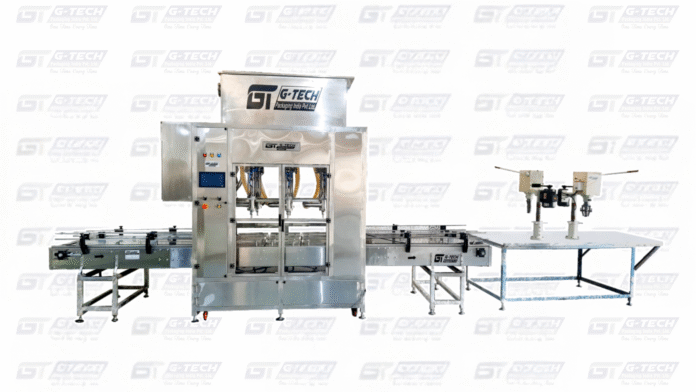
Packaging by G-Tech Advanced automation is built into machines to address the drawbacks of manual processes. They offer several benefits, such as:

  • High-Speed Production: Filling, capping, and labeling systems are examples of machines that guarantee quicker output with less downtime.
  • Accuracy and Consistency: PLC-based controls ensure that each batch is filled, sealed, and labeled consistently.
  • Cost Efficiency: Although they require a larger initial investment, they are ultimately more cost-effective due to lower labor expenses and less waste.
  • Hygiene and Safety: Strict industry standards are met by contactless operations, which improve product safety.
  • Scalability: Equipment can be tailored for sectors such as pharmaceuticals, lubricants, food, and beverages.

The Transition to Automation

Businesses can no longer rely only on manual packaging due to the increasing demand. Modern equipment from G-Tech Packaging maximizes productivity while guaranteeing quality and adherence to regulations. Businesses can future-proof their operations and satisfy present market demands by investing in automated solutions.

In conclusion

Even though conventional packaging techniques have been used by industries for many years, they are no longer adequate for the large-scale demands of today. With their speed, accuracy, hygienic features, and scalability, G-Tech Packaging Machines are the more sensible and environmentally friendly option for companies looking to maintain their competitive edge in the market today.
More Products

Bench Model Filling Machine

Special featuresFill accuracy: Better than ± 0.1% FSRDisplay: 195 x 130 mm (7-segment LED)Load sensor: No container, no filling systemFill mode: Auto/manual with gross...

How to Calculate the Real ROI of a Liquid Filling Machine Before You Buy

Most manufacturers evaluate a filling machine by its price tag. That single number tells you almost nothing about what the machine will actually cost...

Liquid Filling Machines

automatic linear gross/net weight

Automatic Linear Gross/Net Weight Filler Machine

bucket filling + lid machine

Bucket Filling + Lid Machine

table top filling machine

Table Top Filling Machine

Related Products

Packaging Machine Installation Checklist: From Site Prep to Sign-Off

A step-by-step packaging machine installation checklist covering FAT, site preparation, commissioning trials, operator training and final sign-off.

Milk Bottle Filling Machine: Hygiene, Types and Line Planning

What to look for in a milk bottle filling machine: food-grade hygiene, gentle filling, machine types and a simple line plan from tank to cold room.

Hair Oil Filling Machine: A Practical Guide for Indian Brands

How to choose a hair oil filling machine: filling methods, anti-drip features, capping, sealing and labeling for coconut, amla and herbal oils.

Toilet Cleaner Filling Machine: Materials, Methods and Safety Guide

How to choose a toilet cleaner filling machine: acid-resistant contact parts, filling methods for liquids and gels, angled-neck bottles and line safety.

ROPP Capping Machine: How It Works, Types and Buying Guide

How a ROPP capping machine works, the main machine types, what to check before buying and how to fix common roll-on pilfer-proof capping faults.

ROPP Capping Machine: How It Works, Types and Buying Guide

How a ROPP capping machine works, the main machine types, what to check before buying and how to fix common roll-on pilfer-proof capping faults.

Phenyl Filling Machine: Automating Floor Cleaner and Household Chemical Packing

How to choose a phenyl filling machine for floor cleaners and household chemicals: materials, foaming, pack sizes, safety and line planning.

Loose or Over-Tight Caps? Fixing Cap Torque Problems on Your Capping Line

Common causes of cap torque problems, from loose caps to stripped threads, and practical fixes to keep your capping line consistent.

Bottle Filling Line Layout: How to Plan Your Factory Floor

A practical guide to planning a bottle filling line layout: straight vs L-shaped lines, material flow, spacing and room to expand.

Shampoo Filling Machine: A Buyer’s Guide for Personal Care Brands

How to choose a shampoo filling machine: handling viscosity and foam, bottle shapes, pump and flip-top caps, and keeping the line clean.
