
In India, edible oil packaging is strictly regulated to ensure consumer safety and product quality. The Food Safety and Standards Authority of India plays a critical role in defining guidelines that manufacturers must follow. As we move into 2026, compliance has become more structured and technology-driven.
One of the most important requirements is the use of food-grade packaging materials. Containers such as PET bottles, HDPE jars, and tins must not react with the oil or alter its properties. Manufacturers are also required to ensure hygienic filling environments, minimizing contamination risks.
Labeling is another major compliance area. According to FSSAI regulations, every edible oil package must clearly display:
- Product name and type
- Nutritional information
- Manufacturing & expiry date
- Batch number
- FSSAI license number
Incorrect or missing labeling can result in heavy penalties or product recalls.
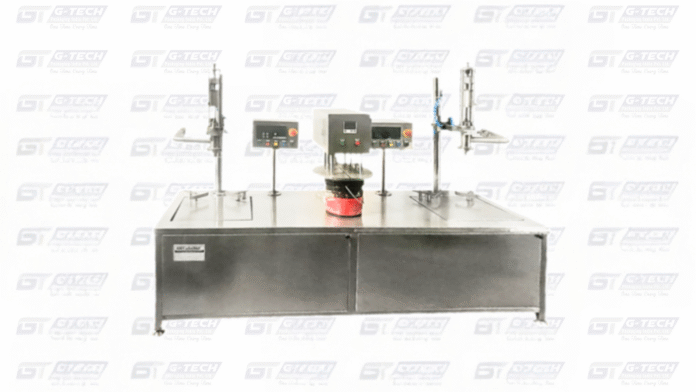
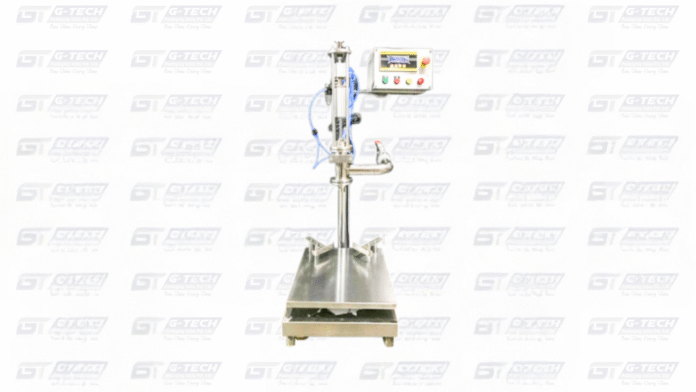
Additionally, automation in packaging lines is increasingly encouraged. Modern filling machines ensure accurate quantity control, reduce human contact, and maintain hygiene standards. This aligns with the government’s push towards safe and standardized food processing.
Storage and transportation also fall under compliance. Edible oils must be stored in clean, temperature-controlled environments to prevent spoilage or oxidation.
In 2026, digital traceability is becoming important. Authorities are pushing for systems that track products from production to retail, ensuring transparency and quick recall if needed.
For manufacturers, following these guidelines is not just about avoiding penalties—it builds consumer trust. With growing awareness about food safety, compliant packaging can be a major competitive advantage.
GTECH Packaging solutions are designed to meet these evolving standards by offering hygienic, high-speed, and precise filling systems for edible oil industries.