
HomeBlogHandling Bulk Packaging: The 15L Edible Oil Tin Challenge

Handling Bulk Packaging: The 15L Edible Oil Tin Challenge

While 1-liter plastic pouches and PET bottles dominate the consumer retail market, the commercial food industry—restaurants, bakeries, and caterers—relies heavily on bulk 15-liter metal tins for edible oil. Packaging these large, heavy containers requires vastly different engineering than standard bottling, necessitating a specialized, heavy-duty tin filling machine.

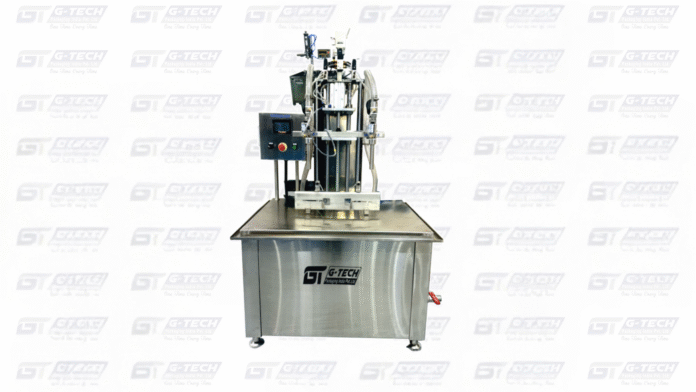
Filling 15 liters of viscous oil quickly without foaming or spilling is a delicate balancing act. G-Tech Packaging solves this by utilizing load-cell (weight-based) filling technology for large containers. Instead of measuring by volume, the machine places the tin on a highly sensitive digital scale. The nozzle dispenses oil rapidly until it nears the target weight, then tapers off to a fine trickle to hit the exact gram required, preventing expensive product giveaway.

Furthermore, handling these large metal containers requires robust, reinforced conveyor belts and heavy-duty capping and sealing stations to apply the plastic pull-spouts securely. By automating your 15L tin line, you drastically reduce the heavy physical labor required by your staff while vastly increasing your daily bulk output.
More Products

Semi-Automatic Shrink Wrapping Machine

Special featuresDescriptionDetailsCapacity200 ml to 1 LPower Supply3 Phase + N, 14 kWSpeedVariableTemp. ControlDigitalMotor½ HP D.C.DriveElectro D.C. DriveOperationWeb sealer with conveyor & pusherSealingPneumatically operated sealing...

2X Filling + Bucket Sealing

Special featuresFill accuracy: Better than ± 0.1% FSRDisplay: 195 x 130 mm (7-segment LED)Load sensor: No container, no filling systemFill mode: Auto/manual with gross...

Liquid Filling Machines

semi automatic plc based filling machine

Semi Automatic PLC Based Filling machine

volumetric PLC base filling machine

Volumetric PLC-Based Filling Machine

volumetric piston filling

Volumetric Piston filling

Related Products

Packaging Machine Installation Checklist: From Site Prep to Sign-Off

A step-by-step packaging machine installation checklist covering FAT, site preparation, commissioning trials, operator training and final sign-off.

Milk Bottle Filling Machine: Hygiene, Types and Line Planning

What to look for in a milk bottle filling machine: food-grade hygiene, gentle filling, machine types and a simple line plan from tank to cold room.

Hair Oil Filling Machine: A Practical Guide for Indian Brands

How to choose a hair oil filling machine: filling methods, anti-drip features, capping, sealing and labeling for coconut, amla and herbal oils.

Toilet Cleaner Filling Machine: Materials, Methods and Safety Guide

How to choose a toilet cleaner filling machine: acid-resistant contact parts, filling methods for liquids and gels, angled-neck bottles and line safety.

ROPP Capping Machine: How It Works, Types and Buying Guide

How a ROPP capping machine works, the main machine types, what to check before buying and how to fix common roll-on pilfer-proof capping faults.

ROPP Capping Machine: How It Works, Types and Buying Guide

How a ROPP capping machine works, the main machine types, what to check before buying and how to fix common roll-on pilfer-proof capping faults.

Phenyl Filling Machine: Automating Floor Cleaner and Household Chemical Packing

How to choose a phenyl filling machine for floor cleaners and household chemicals: materials, foaming, pack sizes, safety and line planning.

Loose or Over-Tight Caps? Fixing Cap Torque Problems on Your Capping Line

Common causes of cap torque problems, from loose caps to stripped threads, and practical fixes to keep your capping line consistent.

Bottle Filling Line Layout: How to Plan Your Factory Floor

A practical guide to planning a bottle filling line layout: straight vs L-shaped lines, material flow, spacing and room to expand.

Shampoo Filling Machine: A Buyer’s Guide for Personal Care Brands

How to choose a shampoo filling machine: handling viscosity and foam, bottle shapes, pump and flip-top caps, and keeping the line clean.
