
In the fast-moving consumer goods (FMCG) industry, trust is everything. Consumers rely on brands not only for quality products but also for safety and hygiene. Packaging plays a crucial role in shaping this trust. Hygienic packaging ensures that products remain uncontaminated, safe, and fresh from production to consumption, directly influencing how customers perceive a brand.
The Role of Hygiene in Consumer Perception
Today’s consumers are more aware and health-conscious than ever before. They closely examine packaging for cleanliness, sealing quality, and overall safety. If a product appears unhygienic or poorly packaged, it immediately creates doubt about the brand’s credibility.
Hygienic packaging acts as a silent assurance. It communicates that the brand values customer safety and follows strict quality standards. Clean, well-sealed bottles or containers create a positive first impression, increasing the likelihood of repeat purchases.
Preventing Contamination and Ensuring Safety
One of the biggest advantages of hygienic packaging is protection against contamination. In FMCG products such as edible oils, beverages, and personal care items, even minor contamination can affect product quality and consumer health.
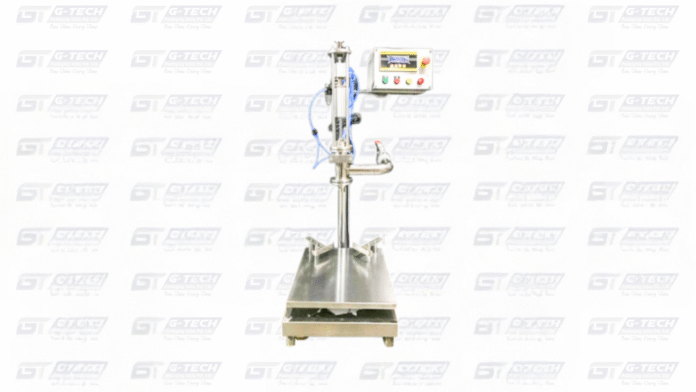
Advanced packaging machinery ensures minimal human contact, reducing the risk of contamination. Automated filling, capping, and sealing processes maintain strict hygiene levels throughout production. This not only preserves product integrity but also helps brands meet regulatory standards and avoid costly recalls.
Building Long-Term Brand Loyalty
Trust is not built overnight—it develops through consistent positive experiences. Hygienic packaging contributes significantly to this process. When customers consistently receive safe and clean products, their confidence in the brand strengthens.
Brands that invest in high-quality, hygienic packaging solutions often stand out in competitive markets. They create a perception of reliability and professionalism, which encourages customer loyalty and word-of-mouth promotion.
The Competitive Advantage in FMCG
In a crowded FMCG market, differentiation is key. Hygienic packaging can be a powerful competitive advantage. While product quality may be similar across brands, packaging hygiene can set one brand apart from another.
Consumers are more likely to choose brands that visibly prioritize cleanliness and safety. Transparent packaging, tamper-proof seals, and leak-proof designs enhance trust and improve brand image.
Conclusion
Hygienic packaging is more than just a functional requirement—it is a critical factor in building brand trust in the FMCG sector. By ensuring safety, preventing contamination, and delivering consistent quality, brands can create a strong and lasting impression. Investing in hygienic packaging solutions is not just about compliance; it is about earning customer trust and securing long-term success in the market.