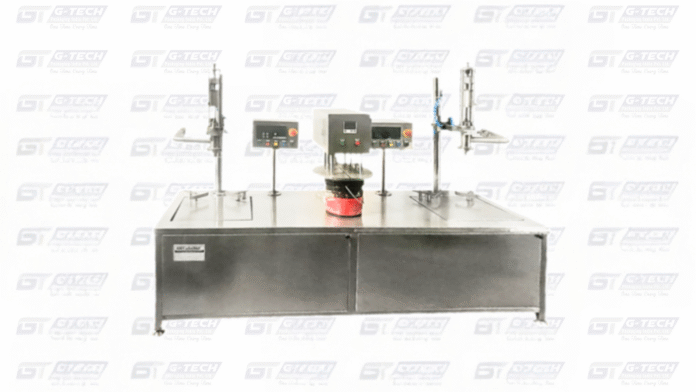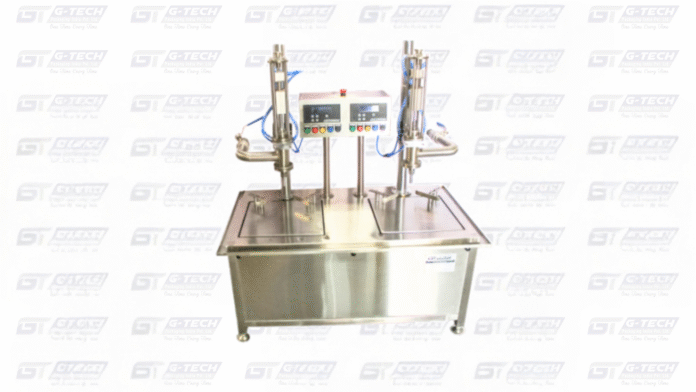

Indian manufacturers of edible oils, lubricants, and pharmaceutical liquids have spent the last decade upgrading from manual filling to PLC-based automation. The next shift is already underway: connecting that automated machinery to the internet. Smart, IoT-enabled filling lines are turning packaging equipment from isolated machines into data-generating assets that plant owners can monitor, predict, and optimize in real time.
From Automation to Connected Automation
Automation solved the problem of consistency — machines that fill, cap, and label with precision, cycle after cycle. IoT integration solves a different problem: visibility. Sensors embedded in filling heads, capping stations, and conveyor systems can now track cycle counts, motor temperature, vibration levels, and fill accuracy continuously, sending that data to a central dashboard accessible from a phone or computer, even off the factory floor.
Predictive Maintenance Instead of Reactive Repairs
Traditionally, packaging line breakdowns are discovered only after something fails — a seized bearing, a misaligned nozzle, a jammed capping head. Each of these stops production and can damage product or packaging in the process. Connected sensors change this by flagging early warning signs, such as unusual vibration patterns or temperature spikes, well before a breakdown occurs. Plant managers can schedule maintenance during planned downtime instead of losing hours to an unplanned stop.
Real-Time Production Analytics
IoT dashboards give owners and production managers a live view of output rates, fill accuracy trends, and machine utilization across every line, not just the one they happen to be standing next to. For manufacturers running multiple shifts or multiple plants, this means spotting inefficiencies — a line running below its rated speed, or a capping station with a rising reject rate — without waiting for an end-of-day report.
Remote Monitoring for Multi-Site Operations
Many packaging manufacturers, especially those exporting to multiple countries, operate more than one production facility. IoT-connected machinery allows a single quality or operations team to monitor fill weights, machine health, and throughput across all sites from one location, reducing the need for constant physical site visits while improving consistency across facilities.
Data-Driven Decisions on the Factory Floor
Beyond maintenance and monitoring, the real value of connected filling lines is the data trail they create over time. Manufacturers can analyze months of performance data to decide when it’s time to upgrade a machine, adjust a production schedule, or identify which shift or operator combination produces the most consistent output.
What This Means for Manufacturers Today
Smart, connected filling and capping lines are no longer limited to large multinational plants. As sensor technology and industrial connectivity become more affordable, mid-sized manufacturers across edible oil, lubricant, and pharmaceutical packaging are beginning to adopt these systems to reduce downtime, cut maintenance costs, and make faster, better-informed decisions.
As Industry 4.0 principles continue to spread through Indian manufacturing, packaging lines that can think, report, and warn ahead of time will increasingly separate efficient plants from the rest.