HomeBlogHow Servo-Based Filling Machines Improve Accuracy and Cut Product Wastage

How Servo-Based Filling Machines Improve Accuracy and Cut Product Wastage

In liquid packaging, small errors add up quickly. Overfilling a bottle by just a few millilitres may look harmless, but across thousands of bottles every day it becomes a real financial loss. Underfilling creates the opposite problem, with compliance risks and unhappy customers. This is why many edible oil, lubricant and beverage manufacturers are moving to servo-based automatic filling machines.

What Is a Servo-Based Filling Machine?

A servo-based filling machine uses servo motors to control the movement of the filling mechanism precisely. Unlike basic mechanical systems, a servo drive controls speed, position and volume electronically. Combined with a PLC (programmable logic controller), it lets operators set the exact fill volume and change it in seconds.

Key Benefits

1. High filling accuracy. Servo control keeps each fill consistent from the first bottle to the last. This protects your margins and keeps your packs within the declared quantity.

2. Zero-drip filling. Precise start and stop control, along with well-designed nozzles, prevents dripping. That means cleaner bottles, less product loss and a tidier work area, which matters most for viscous products like edible oil and lubricants.

3. Quick changeovers. If you pack multiple sizes, such as 200 ml, 500 ml, 1 litre and 5 litres, a PLC touchscreen lets you switch recipes quickly with minimal downtime.

4. Energy efficiency. Servo systems draw power only when they are working, which reduces electricity costs compared with older mechanical setups.

5. Easier maintenance. Fewer mechanical parts means less wear, simpler servicing and a longer machine life.

Built to Fit into a Complete Line

A filling machine delivers its full value when it works with the machines around it. A typical line connects a bottle feeder, filler, capping machine, induction cap sealer, labeling machine and batch coding unit through conveyors. Induction sealing protects against leakage and tampering, while coding adds batch numbers and dates for traceability. When these machines come from one manufacturer, they are matched in speed and design, so the line runs smoothly.

Choosing the Right Machine

Before investing, consider these questions:

  • What product are you filling, and how thick is it?
  • Which bottle or container sizes will you use?
  • What daily output do you need now, and in two years?
  • Do you need stainless steel construction for hygiene?

Answering them helps you avoid paying for capacity you don’t need, or buying a machine you will outgrow within a year.

Final Thoughts

Accurate filling is one of the quickest ways to cut waste and improve product quality. With over a decade of experience, G-Tech Packaging India manufactures automatic and semi-automatic filling machines, complete packaging lines and supporting equipment from Ahmedabad.

Ready to upgrade your packaging line? Contact G-Tech Packaging India for a free consultation.
More Products

Maximize Edible Oil Production Efficiency

In the competitive food and beverage sector, precision and speed are the cornerstones of profitability. For edible oil manufacturers, managing liquid filling manually or...

G-Tech Lubricant Packaging Machines: Improve Your Packaging Efficiency

In the competitive world of lubricants, efficiency isnt just a goal—its a necessity. Discover how G-Techs specialized lubricant packaging machines are engineered to transform your operations, boosting output and ensuring impeccable quality.

Liquid Filling Machines

table top filling machine

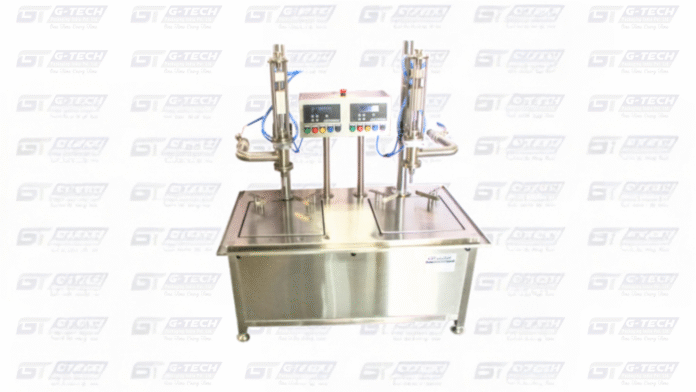
Table Top Filling Machine

rotary monoblock filling and capping machine

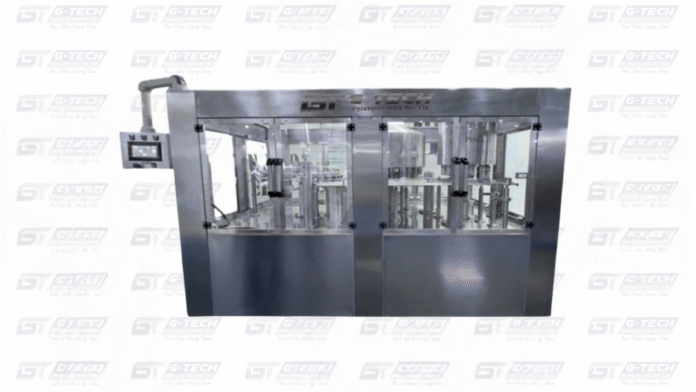
Rotary Monoblock Filling and Capping Machine

automatic linear gross/net weight

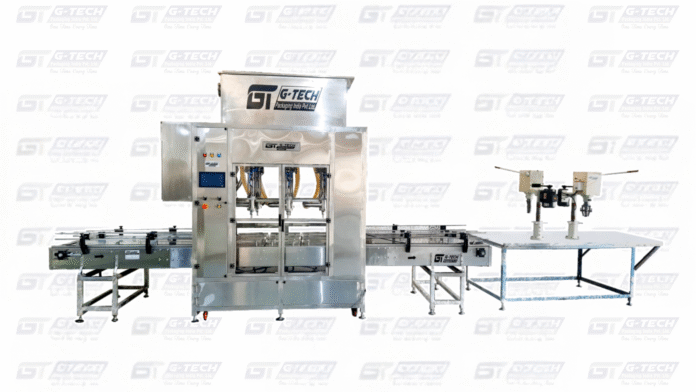
Automatic Linear Gross/Net Weight Filler Machine

Related Products

Packaging Machine Installation Checklist: From Site Prep to Sign-Off

A step-by-step packaging machine installation checklist covering FAT, site preparation, commissioning trials, operator training and final sign-off.

Milk Bottle Filling Machine: Hygiene, Types and Line Planning

What to look for in a milk bottle filling machine: food-grade hygiene, gentle filling, machine types and a simple line plan from tank to cold room.

Hair Oil Filling Machine: A Practical Guide for Indian Brands

How to choose a hair oil filling machine: filling methods, anti-drip features, capping, sealing and labeling for coconut, amla and herbal oils.

Toilet Cleaner Filling Machine: Materials, Methods and Safety Guide

How to choose a toilet cleaner filling machine: acid-resistant contact parts, filling methods for liquids and gels, angled-neck bottles and line safety.

ROPP Capping Machine: How It Works, Types and Buying Guide

How a ROPP capping machine works, the main machine types, what to check before buying and how to fix common roll-on pilfer-proof capping faults.

ROPP Capping Machine: How It Works, Types and Buying Guide

How a ROPP capping machine works, the main machine types, what to check before buying and how to fix common roll-on pilfer-proof capping faults.

Phenyl Filling Machine: Automating Floor Cleaner and Household Chemical Packing

How to choose a phenyl filling machine for floor cleaners and household chemicals: materials, foaming, pack sizes, safety and line planning.

Loose or Over-Tight Caps? Fixing Cap Torque Problems on Your Capping Line

Common causes of cap torque problems, from loose caps to stripped threads, and practical fixes to keep your capping line consistent.

Bottle Filling Line Layout: How to Plan Your Factory Floor

A practical guide to planning a bottle filling line layout: straight vs L-shaped lines, material flow, spacing and room to expand.

Shampoo Filling Machine: A Buyer’s Guide for Personal Care Brands

How to choose a shampoo filling machine: handling viscosity and foam, bottle shapes, pump and flip-top caps, and keeping the line clean.