
For edible oil manufacturers, packaging isn’t just the last step of production — it directly impacts product quality, brand reputation, and profitability. Choosing the wrong filling machine can lead to product wastage, inaccurate weights, leakage, and production delays. That’s why understanding a few key factors before investing in an edible oil filling machine is essential.
1. Understand Your Production Volume
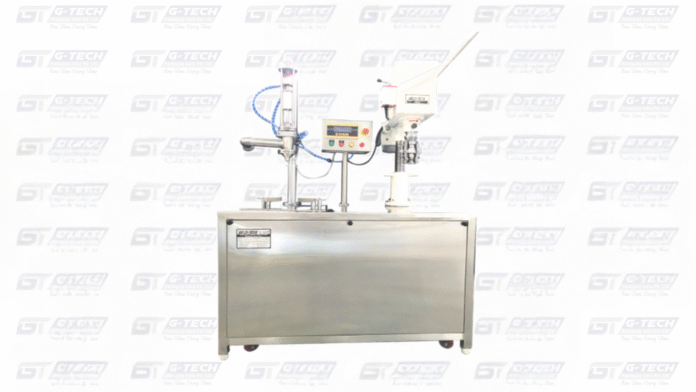
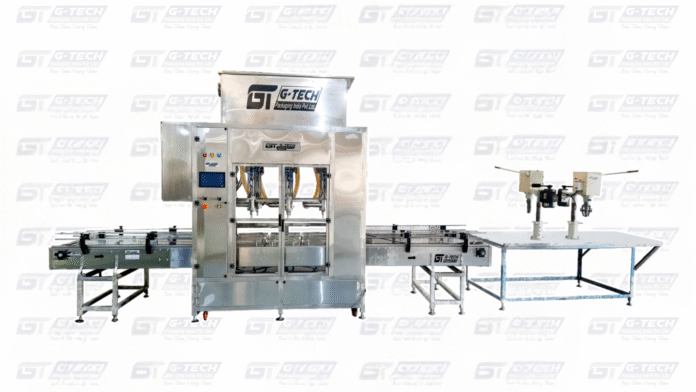
The first question to ask is: how many bottles or packs does your unit fill daily? For small and medium-sized businesses, semi-automatic filling machines are an affordable and practical choice. For larger manufacturing operations, a fully automatic servo filling machine or a rotary monoblock filling and sealing machine is better suited, since these can run continuously at much higher speeds.
2. Choosing the Right Filling Technology
Different edible oils have different viscosities — mustard oil, coconut oil, and groundnut oil all flow differently. This makes it important to decide whether your machine should use:
- Volumetric filling, or
- Weighmetric (weight-based) filling
Weighmetric technology is generally considered more accurate since it maintains consistent weight even when temperature fluctuates, which also helps with compliance under legal metrology regulations.
3. Accuracy and Minimizing Wastage
In oil packaging, every drop counts. A good filling machine should have a piston-based or servo-controlled system that fills a precise quantity every single time, reducing losses from overfilling or underfilling while maintaining customer trust in labeled quantities.
4. Hygiene and Food-Safety Standards
Since edible oil is meant for direct human consumption, all machine parts that come into contact with the product should be made of food-grade stainless steel (such as SS304 or SS316). The machine should also be easy to clean, helping maintain hygiene during production and supporting compliance with food safety regulations like FSSAI.
5. Plan for Future Expansion
Your production needs today may not stay the same tomorrow. It’s wise to choose a machine that can be upgraded later — such as adding multi-head filling units or integrating with capping and labeling machines — so your entire packaging line can scale together as your business grows.
6. Buy From a Reliable Manufacturer
In the end, no matter how good the machine is, after-sales service and support matter just as much. Buying from an experienced and trusted packaging machine manufacturer means better after-sales support, easy availability of spare parts, and customized solutions tailored to your needs. Companies like G-Tech Packaging, which has been in this field since 2014 and exports machines to several countries alongside its domestic presence, bring this kind of broad experience to help customers find the right fit for their operations.
Conclusion
Choosing the right edible oil filling machine isn’t just a purchase — it’s an investment in your business’s future. Factoring in production volume, filling technology, accuracy, hygiene, and after-sales support leads to a decision that keeps your packaging line efficient, reliable, and built to last.