For years, European and Chinese manufacturers dominated the liquid packaging machinery export market. That’s changing fast. Buyers across the Middle East, Africa, and South Asia are now actively sourcing filling, capping, and labeling machines from Indian manufacturers — and the reasons go well beyond price.
The Cost-Quality Balance
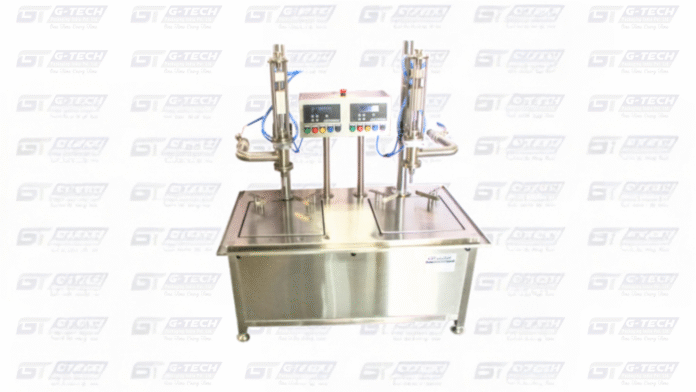
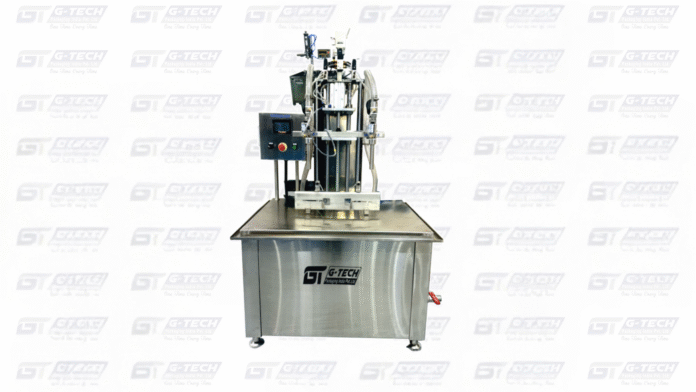
Indian packaging machinery has closed the technology gap significantly over the last decade. PLC-based servo filling systems, automatic capping lines, and induction sealing machines manufactured in India now match the precision of European equipment, but at a fraction of the capital cost and with far shorter lead times. For growing businesses in markets like Nigeria, Kenya, Saudi Arabia, or Uzbekistan, that combination is decisive — especially when every dollar of capital expenditure needs to justify itself quickly.
Faster, More Flexible Support
One recurring complaint from buyers of European machinery is the cost and delay of after-sales support — spare parts shipped from overseas, technicians flown in for basic troubleshooting. Indian manufacturers are increasingly closing this gap by offering remote diagnostics, faster spare-part turnaround, and installation teams that can travel on shorter notice. For a lubricant or edible oil plant that can’t afford a week of downtime waiting on a part, this responsiveness matters as much as the machine itself.
Built for Emerging-Market Realities
Indian-manufactured filling and capping lines are often designed with variable power supply conditions, diverse container formats, and multi-product flexibility in mind — realities that are common across Africa, the Middle East, and South Asia but less of a design priority for machinery built primarily for stable, standardized European factory environments. A capping machine that can handle inconsistent voltage without downtime, or a filling line that can switch between oil, lubricant, and pesticide products with minimal changeover time, solves real operational problems for buyers in these regions.
A Track Record That Speaks for Itself
Trust in international B2B machinery purchasing is built on proof, not promises. Manufacturers who can point to hundreds of working installations across multiple countries — with visible client history in oil, dairy, pharma, and chemical sectors — have a natural advantage over newer entrants. Export credibility compounds: each successful installation in a new country makes the next sale in that region easier.
What This Means Going Forward
As global liquid packaging demand grows, particularly in food, pharma, and industrial oil sectors, manufacturers who combine competitive pricing, responsive service, and equipment built for real-world operating conditions are best positioned to win international business.
G-Tech Packaging has built its export presence on exactly this combination — with installations across 19 countries including Saudi Arabia, the UAE, Nigeria, Kenya, and Uzbekistan, backed by ISO-certified manufacturing and over a decade of engineering experience in liquid filling, capping, and sealing technology.
Exploring packaging machinery options for your export or domestic production line? Get in touch with G-Tech Packaging for a solution built around your product and market.