
Across edible oil, lubricant, pharma, and many other liquid industries, the shift from manual to automated packaging is happening fast. This isn’t just about chasing new technology — it’s driven by real business needs: speed, accuracy, hygiene, and cost savings. Let’s look at why automation has become so essential for the liquid packaging industry.
1. Higher Speed and Production Capacity
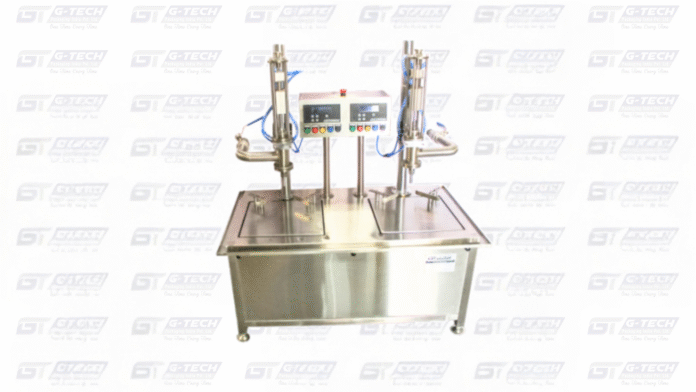
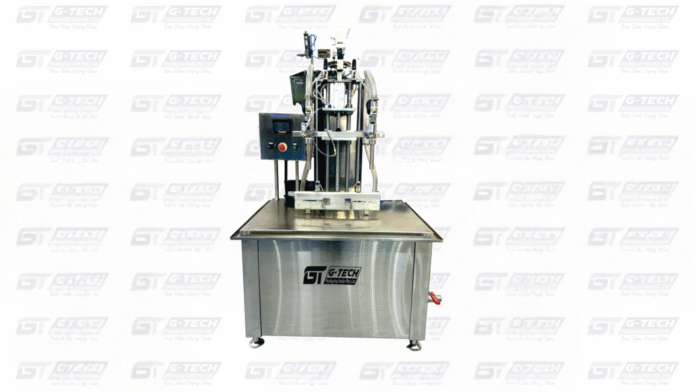
Compared to manual or semi-automatic filling, fully automatic filling, capping, and labeling lines can operate at significantly higher speeds. Rotary monoblock filling-and-sealing machines can fill, cap, and seal in a single continuous motion, dramatically increasing hourly output — a major advantage for companies fulfilling large orders or export demand.
2. Consistent Accuracy, Fewer Human Errors
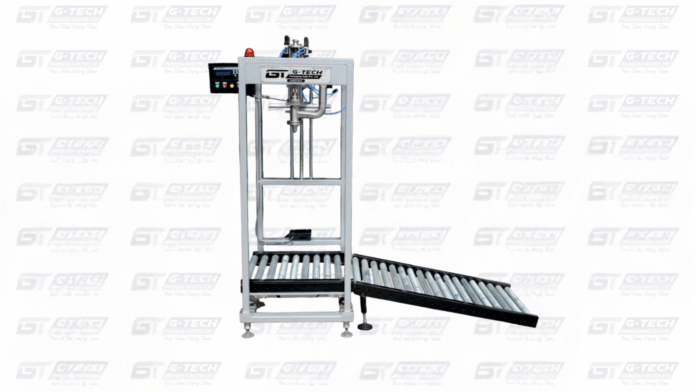
With manual filling, achieving the same weight or volume every single time is difficult, leading to either overfilling (a loss for the company) or underfilling (a legal and trust issue with customers). Servo-driven and PLC-based automatic machines deliver consistent accuracy on every fill, reducing product wastage and making it easier to comply with legal metrology regulations around weight and accuracy.
3. Better Hygiene and Product Quality
Hygiene isn’t optional for products like edible oil, dairy, and pharmaceutical liquids — it’s a requirement. Automated machines minimize direct human contact with the product, lowering the risk of contamination and helping maintain better shelf life and product quality.
4. Long-Term Cost Savings
The upfront investment may be higher, but automation significantly cuts labor costs, product wastage, and downtime over time. Machines built for fast changeovers also allow quick switching between different bottle sizes or pack types, keeping the production line running with minimal interruption.
5. Flexibility Across Industries
A well-designed automated packaging line isn’t limited to a single product. With the right customization, the same filling-capping-labeling system can be used across edible oils, lubricants, personal care, pharmaceuticals, pesticides, and water — making it easier for manufacturers to expand their product portfolio.
6. Export-Ready Quality Standards
When companies want to sell their products in international markets, packaging quality and consistency become critical. ISO-certified, precision-engineered automated machines help ensure the kind of quality that meets global standards — which is why several Indian packaging machine manufacturers, including G-Tech Packaging, now export their machines to countries across the Middle East, Africa, and Asia in addition to serving the domestic market.
Conclusion
Automation in liquid packaging is no longer a luxury — it’s what keeps businesses competitive. Companies that adopt the right automation technology early not only cut production costs but also gain an edge in quality, speed, and customer trust.