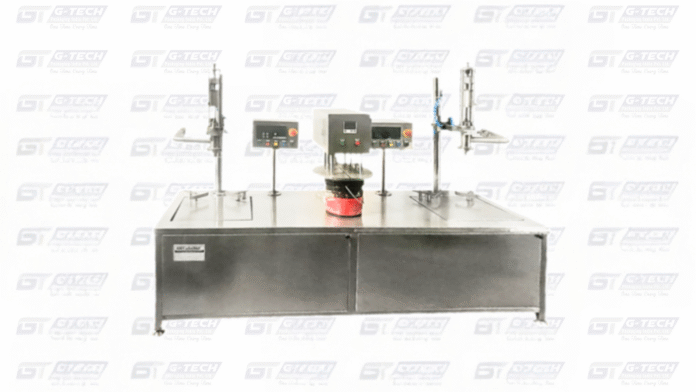
HomeBlogWhy Edible Oil Brands Are Switching to Automated Filling Machines

Why Edible Oil Brands Are Switching to Automated Filling Machines

India’s edible oil industry is growing fast — and so is the pressure on manufacturers to package faster, cleaner, and more accurately. For decades, many small and mid-sized oil brands relied on manual or semi-automatic filling. Today, that approach is quickly becoming a competitive disadvantage.

The Problem With Manual Filling

Manual filling lines struggle with three things: consistency, speed, and hygiene. A few extra grams of oil per bottle, multiplied across thousands of units a day, adds up to real losses. Manual handling also increases the risk of contamination — a serious issue in an industry where consumer trust depends on purity.

What Automated Filling Solves

Modern volumetric and gross-weight filling machines are built to address exactly these pain points:

Accuracy — Piston-based and weight-based filling systems can hold fill levels within tight tolerances, cutting product giveaway and waste.

Speed — A single automatic line can outpace several manual stations, helping brands meet seasonal demand spikes without adding headcount.

Hygiene — Enclosed filling heads and stainless-steel contact parts minimize exposure, which matters for both regulatory compliance and shelf life.

Flexibility — Many machines handle a range of bottle sizes (from 200 ml pouches to 15-litre jerry cans) with minimal changeover time, so one line can serve multiple SKUs.

Built for Indian Manufacturing Realities

Not every plant has the space or budget for a fully imported, fully automatic line on day one. That’s why scalable systems — starting from semi-automatic setups and upgrading to PLC-controlled fully automatic lines as volumes grow — have become popular among MSMEs entering the edible oil space. This lets a business invest in automation in phases, matching capital expenditure to actual growth.

The Bottom Line

For edible oil producers competing on price, shelf appeal, and trust, filling accuracy and hygiene aren’t optional extras — they’re table stakes. Automated filling machines pay for themselves through reduced product loss, fewer labor dependencies, and a packaging line that can keep up as the brand scales.

If you’re evaluating a filling line upgrade, the right starting point is usually your current bottle range and daily volume target — those two numbers determine whether a semi-automatic or fully automatic system makes more sense.
More Products

G-Tech Lubricant Packaging Machines: Improve Your Packaging Efficiency

In the competitive world of lubricants, efficiency isnt just a goal—its a necessity. Discover how G-Techs specialized lubricant packaging machines are engineered to transform your operations, boosting output and ensuring impeccable quality.

FSSAI Rules for Edible Oil Packaging in India (2026 Update)

In India, edible oil packaging is strictly regulated to ensure consumer safety and product quality. The Food Safety and Standards Authority of India plays...

Liquid Filling Machines

volumetric PLC base filling machine

Volumetric PLC-Based Filling Machine

volumetric piston filling

Volumetric Piston filling

drum filling machine

Drum Filling Machine

Related Products

Sustainability Meets Automation: Eco-Friendly Trends Shaping Liquid Packaging in 2026

Sustainability has moved from a marketing buzzword to a business requirement for liquid packaging...

AI and Predictive Maintenance: The Next Frontier for Liquid Filling Machines

Unplanned downtime is the silent profit-killer on any packaging line. A single unexpected breakdown...

Cold-Pressed Oil Packaging: Challenges and the Right Machine Solutions

Cold-pressed oils — mustard, groundnut, sesame, coconut, and now even niche oils like flaxseed...

How to Choose the Right Capping Machine for Your Bottle Size and Material

Capping looks like a simple final step in the packaging line, but it's often...

Why Water and Beverage Brands Are Switching to Automated Filling Lines

India's packaged water and beverage market is growing fast, and with that growth comes...

Why Cosmetics and Personal Care Brands Need Precision Packaging, Not Just Fast Packaging

Cosmetics and personal care products are some of the trickiest liquids to package well....

How Smart Sensors and IoT Are Transforming Liquid Packaging Lines in 2026

Liquid packaging is no longer just about filling bottles fast — it's about filling...

Why Global Buyers Are Increasingly Choosing Indian Packaging Machinery Manufacturers

For years, European and Chinese manufacturers dominated the liquid packaging machinery export market. That's...

Top Liquid Packaging Automation Trends for 2026: What Every Indian Manufacturer Should Know

The liquid packaging industry is moving faster than ever. Whether you're bottling edible oil,...

Sustainable Packaging in 2026: How Automation Helps Indian Manufacturers Cut Waste and Meet Green Expectations

Sustainability used to be a line item in a company's CSR report. In 2026,...