
In a packaging line, capping is often treated as an afterthought — a simple final step compared to the “real work” of filling. In reality, capping is where quality control either succeeds or fails. A poorly sealed bottle means leaks, contamination, shortened shelf life, and unhappy customers. As production volumes grow, relying on manual capping quickly becomes a bottleneck that limits how fast — and how reliably — you can package your product.
Here’s why automatic capping machines have become a non-negotiable part of any serious packaging operation.
The Hidden Cost of Manual Capping
Manual capping might seem cost-effective at low volumes, but it comes with hidden risks:
- Inconsistent torque — some caps too loose (leak risk), others too tight (cracked caps or thread damage)
- Slower line speed — human hands simply can’t match machine-consistent speed at scale
- Higher labor dependency — more workers needed as volume increases
- Quality variability — fatigue and human error lead to inconsistent seals across a batch
For industries like edible oils, lubricants, and pharmaceuticals — where leak-proof sealing is directly tied to product safety and shelf life — these inconsistencies aren’t just inconvenient, they’re costly.
How Automatic Capping Machines Solve This
1. Consistent, Calibrated Torque
Automatic cappers apply a pre-set, repeatable torque to every single cap, eliminating the guesswork of manual tightening. This means every bottle leaving your line meets the same sealing standard.
2. Higher Line Speed
Capping machines are designed to match the throughput of modern filling lines, so they don’t become the slowest link in your packaging chain. Models like single-head cappers (available in 4x/6x configurations) allow multiple bottles to be capped simultaneously, multiplying speed further.
3. Compatibility Across Cap and Bottle Types
Modern capping machines are built to handle various cap types — screw caps, snap-on caps, and more — as well as different bottle sizes, from small containers to large tins, often with quick-changeover tooling.
4. Seamless Integration with Filling and Labeling
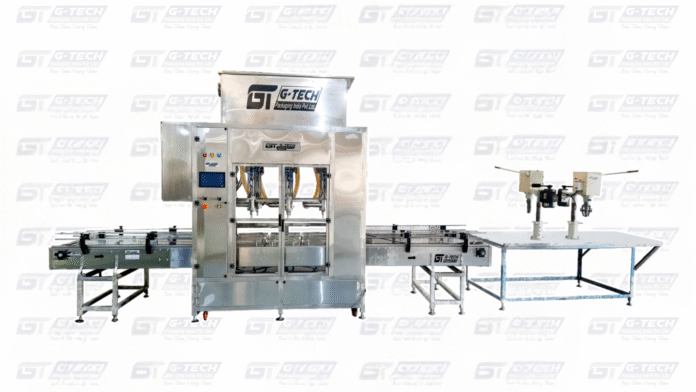
The real efficiency gain comes when capping is integrated into a monoblock system alongside filling and labeling. This reduces manual handling between stages, shortens the overall line footprint, and minimizes contamination risk from repeated bottle handling.
Capping and Labeling: Two Sides of the Same Coin
It’s worth noting that capping doesn’t operate in isolation — it directly affects labeling quality too. A poorly capped bottle with oil residue around the neck leads to labels that won’t adhere properly or that peel prematurely. This is why manufacturers increasingly look for combined capping-and-labeling solutions rather than treating each stage as a separate purchase decision.
Industries That Benefit Most
- Edible oils — leak-proof sealing prevents spoilage and spillage during transport
- Lubricants — consistent sealing protects against contamination and evaporation
- Pharmaceuticals — precise torque control is critical for tamper-evidence and compliance
- Cosmetics — consistent presentation matters for shelf appeal
- Beverages and water — high-speed capping keeps pace with high-volume bottling
Choosing the Right Capping Machine
When evaluating capping machines, manufacturers should consider:
- Cap type compatibility — screw, snap, or specialty caps
- Line speed requirements — bottles per hour needed to match filling capacity
- Changeover flexibility — how quickly the machine adapts to different bottle/cap sizes
- Integration options — standalone unit vs. monoblock system with filling and sealing
- Maintenance and support — availability of spares and technical service
G-Tech’s Approach to Capping Automation
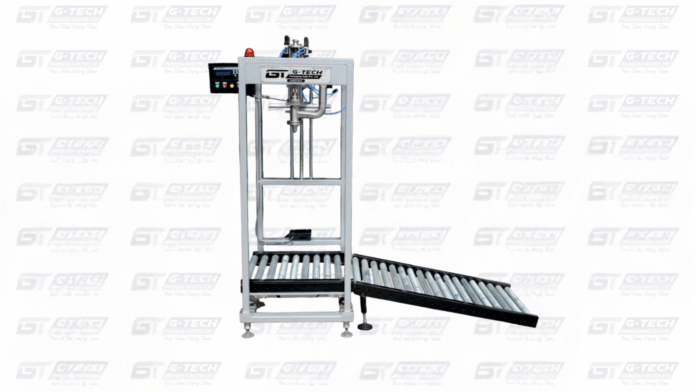
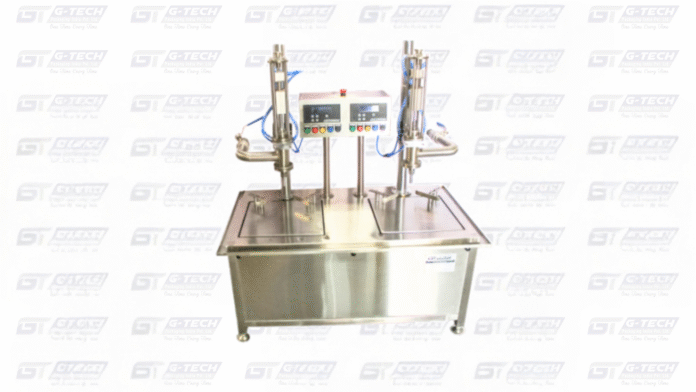
At G-Tech Packaging India Pvt. Ltd., our capping solutions — including single-head cappers and fully integrated rotary monoblock filling-and-capping systems — are engineered to deliver consistent, reliable seals at scale. Backed by over a decade of experience and 1,550+ domestic installations, our machines are built to reduce downtime, improve seal quality, and keep your packaging line running at full speed.
Talk to Our Team
If manual capping is slowing down your line or inconsistent seals are affecting product quality, it’s time to explore automation.
📧 sales@gtechpackaging.in
📞 +91 95580 19425