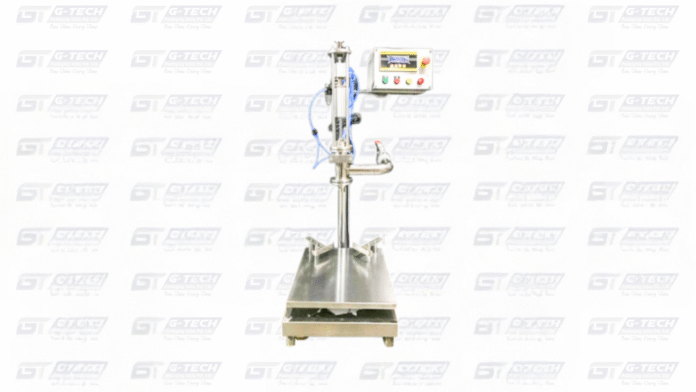

Choosing an edible oil filling machine is one of the most consequential decisions an oil manufacturer will make. Get it right, and you unlock consistent output, lower wastage, and a product that holds up to scrutiny on any shelf. Get it wrong, and you’re stuck with downtime, inaccurate fills, and a machine that can’t grow with your business. Here’s what actually matters when you’re evaluating your options.
1. Know Your Product’s Viscosity
Not all edible oils behave the same way on a filling line. Groundnut oil, mustard oil, coconut oil, and ghee each flow differently depending on temperature and thickness. A machine calibrated for thin, free-flowing oils may struggle with thicker, more viscous products, leading to drips, inconsistent fills, or nozzle clogging. Before you shortlist any machine, get clear on the viscosity range of everything you package — including products you might add in the future.
2. Decide Between Volumetric and Weighmetric Filling
This is one of the first forks in the road. Volumetric filling machines measure oil by volume using pistons or flow meters, and they’re well suited to high-speed lines where consistent container sizes are used. Weighmetric filling machines measure by weight, which tends to deliver tighter accuracy — especially useful where regulatory weight compliance matters, or where oil density can vary batch to batch. Your choice here should be driven by your accuracy requirements and the regulatory environment you sell into, not just upfront cost.
3. Match the Machine to Your Production Volume
A semi-automatic filling machine might suit a smaller operation just getting started, but it won’t hold up if you’re trying to scale toward large-volume export contracts. On the other end, a fully automatic PLC-based servo filling line makes sense once your throughput and consistency requirements justify the investment. Think in terms of where your business will be in two to three years, not just where it is today — retrofitting or upgrading a line later is far more expensive than planning for growth from the start.
4. Look for No-Bottle-No-Fill and Anti-Drip Technology
Product wastage adds up fast on a busy line. Features like no-bottle-no-fill sensors prevent oil from being dispensed when a container isn’t in position, and anti-drip nozzles stop the mess and product loss that come from oil dripping after a fill cycle completes. These aren’t luxury add-ons — they directly affect your bottom line and the cleanliness of your production floor.
5. Check Build Quality and Contact Parts
Since the machine is in direct contact with an edible product, the parts touching the oil should be food-grade stainless steel, built to withstand repeated cleaning without corroding or contaminating the product. Ask about the grade of steel used, how easy the machine is to clean and sanitize, and whether it’s designed with hygiene standards in mind from the ground up.
6. Evaluate Changeover Flexibility
If you package oil in multiple container sizes or types — bottles, pouches, tins, or jars — look for a machine that allows quick changeovers without extensive manual reconfiguration or long downtime. Fast changeover capability keeps your line productive even when you’re switching between SKUs frequently.
7. Factor in After-Sales Support
A filling machine is a long-term investment, and things will occasionally need servicing, spare parts, or troubleshooting. Choose a manufacturer with a strong service network and a track record of standing behind their machines after the sale — not just a vendor who disappears once the invoice is paid.
Making the Right Choice
The best edible oil filling machine isn’t necessarily the most expensive or the most automated one — it’s the one that matches your product, your volume, your regulatory requirements, and your growth plans. Taking the time to evaluate these factors upfront saves significant cost and disruption down the line.
At G-Tech Packaging, we’ve spent over a decade engineering filling, capping, and sealing solutions purpose-built for the edible oil industry, from semi-automatic setups for growing businesses to fully automatic PLC-based lines for large-scale manufacturers. If you’re evaluating your options, our team can help you match the right machine to your exact production needs.