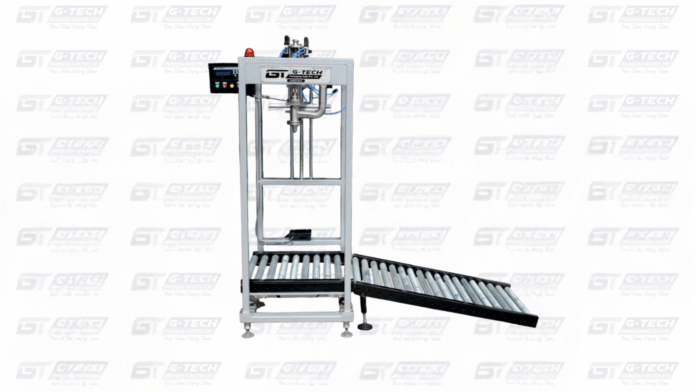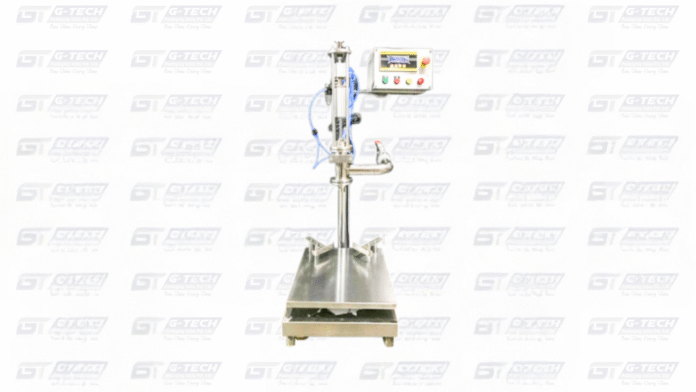

Industrial filling machines are the cornerstone of efficiency in countless manufacturing sectors, from food and beverage to pharmaceuticals and chemicals. In today’s competitive market, where consumer demand for products is ever-increasing, the ability to package goods quickly, accurately, and consistently is paramount. These sophisticated systems are engineered to handle vast quantities of products, ensuring that packaging lines operate at peak performance and deliver ultimate efficiency.
The Industrial Filling Machine: A Pillar of High-Speed Packaging
At the heart of any productive manufacturing operation lies a robust filling system. An industrial filling machine is designed to dispense a precise amount of product into containers, whether they are bottles, jars, pouches, or cans. Unlike manual or semi-automatic methods, industrial machines boast unparalleled speed and accuracy, drastically reducing labor costs and minimizing product giveaway or underfill. They are built to withstand continuous operation, often 24/7, making them indispensable for companies aiming for high throughput and consistent quality.
The versatility of these machines is remarkable. They can accommodate a wide range of product viscosities, from thin liquids like water and juice to thick pastes such and creams. Depending on the product and container type, different filling technologies are employed, such as volumetric, gravimetric, overflow, or piston fillers, each optimized for specific applications to ensure maximum precision and speed.
Boosting Throughput: High-Speed Packaging Machine Capabilities
To achieve truly high-speed packaging, the filling machine must seamlessly integrate with other components of the packaging line. A high speed packaging machine relies on advanced automation to synchronize processes like bottle unscrambling, capping, labeling, and case packing. The filler is often the bottleneck, so its capacity directly dictates the line’s overall speed.
Modern high-speed fillers utilize multiple filling nozzles or rotary designs to process numerous containers simultaneously. Rotary fillers, for instance, can operate at hundreds of containers per minute by continuously moving bottles through the filling station, ensuring a non-stop, fluid operation. This level of automation not only accelerates production but also enhances safety by reducing human interaction with moving parts and hazardous materials. The goal is to move as much product as possible, as quickly as possible, without compromising on quality or accuracy.
The Advantages of Automatic Packaging Line Integration
Beyond just the filling process, the true power comes from integrating the industrial filling machine into a fully automatic packaging line. An automatic packaging line is a system of interconnected machines that work in harmony to take a product from bulk form to a market-ready packaged item with minimal human intervention. This holistic approach offers several significant advantages:
1. Increased Productivity: By automating every step, bottlenecks are eliminated, and production output soars.
2. Reduced Labor Costs: Less reliance on manual labor translates to lower operational expenses and allows staff to be redeployed to more strategic roles.
3. Enhanced Consistency and Quality: Automated systems perform tasks with unwavering precision, minimizing errors, spills, and inconsistencies in fill levels or packaging.
4. Improved Hygiene and Safety: In industries like food, beverage, and pharmaceuticals, automated lines significantly reduce the risk of contamination by limiting human contact. They also protect workers from repetitive strain injuries and hazardous environments.
5. Scalability: Automatic lines can be easily scaled up or down to meet fluctuating production demands, offering greater flexibility.
Precision and Consistency with Liquid Filling Automation
For manufacturers dealing with liquids, liquid filling automation is a game-changer. Whether it’s pharmaceuticals, beverages, cosmetics, or household cleaning products, the precise dispensing of liquids is crucial for product integrity, regulatory compliance, and consumer satisfaction. Liquid filling automation ensures that every bottle or container receives the exact specified volume, eliminating costly overfills and preventing customer dissatisfaction due to underfills.
Advanced liquid fillers incorporate features like servo-driven pistons for precise volumetric control, mass flow meters for gravimetric accuracy, and non-drip nozzles to maintain a clean packaging environment. CIP (Clean-in-Place) capabilities are also common, allowing for automated cleaning and sterilization of the filling system without disassembly, which is vital for maintaining hygiene in food and pharma industries. This level of automation guarantees product consistency from the first container to the last, day in and day out.
Key Considerations When Choosing Your Industrial Filling Machine
Selecting the right industrial filling machine requires careful consideration of several factors:
Product Characteristics: Viscosity, temperature, corrosiveness, and particulate content will dictate the appropriate filling technology.
Container Type and Size: The material, shape, and opening size of containers influence machine design and changeover requirements.
Production Volume: Your required output per minute, hour, or shift will determine the necessary speed and number of filling heads.
Accuracy Requirements: Industries like pharmaceuticals demand extremely high accuracy, which may necessitate specific filler types.
Budget and Space: Machine cost, operational expenses, and available floor space are practical considerations.
Regulatory Compliance: Especially for food, beverage, and pharmaceutical products, machines must meet industry-specific standards (e.g., FDA, GMP).
* Maintenance and Support: Ease of cleaning, parts availability, and technical support are crucial for long-term operational efficiency.
Future Trends in Filling Technology
The future of industrial filling machines is characterized by increased intelligence and connectivity. We are seeing a move towards smart machines equipped with IoT sensors for predictive maintenance, real-time performance monitoring, and integration with factory-wide SCADA systems. Artificial intelligence and machine learning are beginning to optimize filling parameters on the fly, further enhancing efficiency and reducing waste. Modular designs and quick-changeover tooling are also becoming standard, allowing manufacturers greater flexibility to adapt to diverse product lines and market demands.
Conclusion
The industrial filling machine is more than just a piece of equipment; it’s a strategic investment in productivity, quality, and profitability. By enabling high-speed packaging, integrating seamlessly into automatic packaging lines, and providing unparalleled precision through liquid filling automation, these machines empower manufacturers to meet the relentless demands of the modern market. For businesses aiming for ultimate efficiency and a competitive edge, embracing advanced filling technology is not just an option—it’s a necessity.