

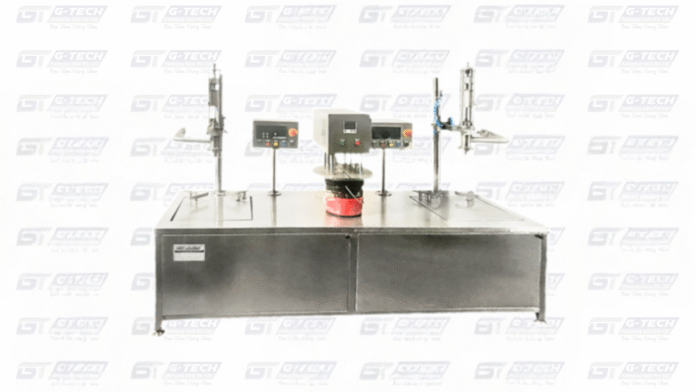
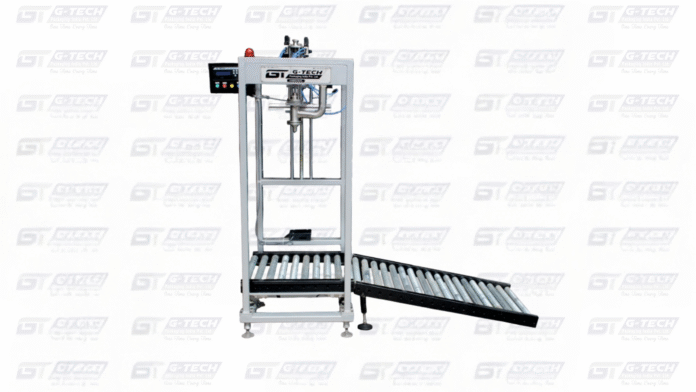
Packaging agro-chemicals, toxic pesticides, and heavy fertilizers is fundamentally different from packaging water or cooking oil. These are highly reactive, often hazardous liquids that pose a direct risk to human health and the environment if mishandled. Utilizing a specialized pesticide filling machine is not just an operational upgrade; it is a critical safety requirement.Standard machinery can quickly degrade when exposed to harsh agricultural chemicals. G-Tech’s pesticide packaging lines are engineered using highly corrosion-resistant materials (like specialized plastics, Teflon-coated components, and high-grade stainless steel) to withstand aggressive formulations. This prevents machine breakdown and ensures a long operational lifespan despite the tough environment.More importantly, these machines are designed to eliminate human exposure. Features like anti-drip nozzles, fume-extraction compatibility, and enclosed filling zones ensure that toxic liquids never splash onto the factory floor or vaporize into the breathing zones of your workers. By automating your pesticide line, you guarantee exact dosing, protect your workforce, and remain compliant with strict industrial safety regulations.
Milk Bottle Filling Machine: Hygiene, Types and Line Planning
What to look for in a milk bottle filling machine: food-grade hygiene, gentle filling, machine types and a simple line plan from tank to cold room.
More Products
Mastering the Art of Viscous Liquid Packaging
Not all liquids are created equal. While water and juices flow effortlessly, products like thick honey, heavy cosmetic gels, motor greases, and dense pharmaceutical...
Conveyor Systems – The Backbone of Modern Packaging Automation
G-Tech Packaging provides a large selection of cutting-edge conveyor systems intended to improve material handling and packaging operations' efficiency. Our conveyors, which come in...
Liquid Filling Machines

Related Products
Packaging Machine Installation Checklist: From Site Prep to Sign-Off
A step-by-step packaging machine installation checklist covering FAT, site preparation, commissioning trials, operator training and final sign-off.
Milk Bottle Filling Machine: Hygiene, Types and Line Planning
What to look for in a milk bottle filling machine: food-grade hygiene, gentle filling, machine types and a simple line plan from tank to cold room.
Hair Oil Filling Machine: A Practical Guide for Indian Brands
How to choose a hair oil filling machine: filling methods, anti-drip features, capping, sealing and labeling for coconut, amla and herbal oils.
Toilet Cleaner Filling Machine: Materials, Methods and Safety Guide
How to choose a toilet cleaner filling machine: acid-resistant contact parts, filling methods for liquids and gels, angled-neck bottles and line safety.
ROPP Capping Machine: How It Works, Types and Buying Guide
How a ROPP capping machine works, the main machine types, what to check before buying and how to fix common roll-on pilfer-proof capping faults.
ROPP Capping Machine: How It Works, Types and Buying Guide
How a ROPP capping machine works, the main machine types, what to check before buying and how to fix common roll-on pilfer-proof capping faults.
Phenyl Filling Machine: Automating Floor Cleaner and Household Chemical Packing
How to choose a phenyl filling machine for floor cleaners and household chemicals: materials, foaming, pack sizes, safety and line planning.
Loose or Over-Tight Caps? Fixing Cap Torque Problems on Your Capping Line
Common causes of cap torque problems, from loose caps to stripped threads, and practical fixes to keep your capping line consistent.
Bottle Filling Line Layout: How to Plan Your Factory Floor
A practical guide to planning a bottle filling line layout: straight vs L-shaped lines, material flow, spacing and room to expand.
Shampoo Filling Machine: A Buyer’s Guide for Personal Care Brands
How to choose a shampoo filling machine: handling viscosity and foam, bottle shapes, pump and flip-top caps, and keeping the line clean.

