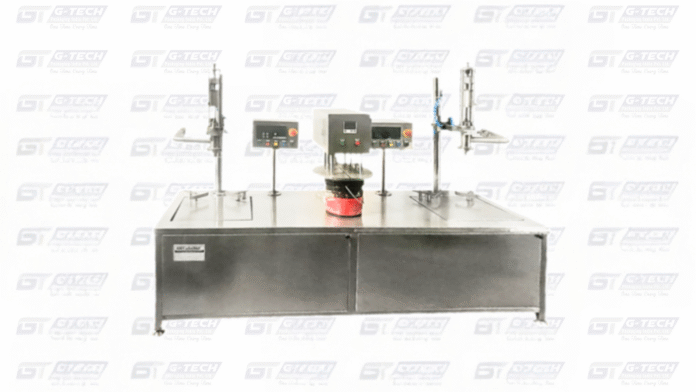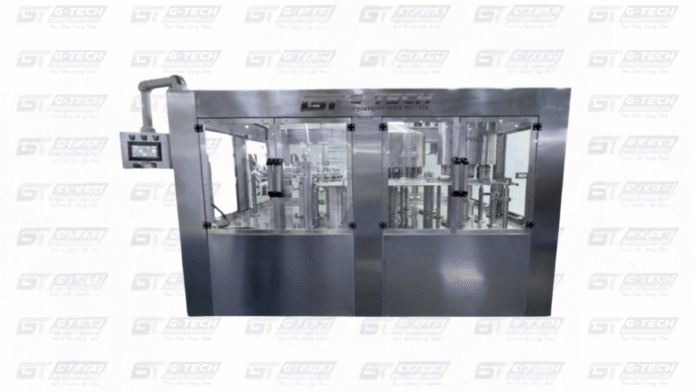

Sustainability has moved from a marketing buzzword to a business necessity for manufacturers across the edible oil, lubricant, dairy, and pharmaceutical industries. As global brands face pressure from regulators, retailers, and environmentally conscious consumers, the packaging line has become one of the most overlooked places to make a real environmental impact. The good news: modern automated filling and capping machines are already built to help.
Precision Filling Reduces Product and Packaging Waste
One of the simplest ways automation supports sustainability is through fill accuracy. Older manual or semi-automatic systems often overfill containers to avoid underfilling penalties, wasting product with every cycle. Servo-driven and PLC-controlled filling machines measure volume or weight with far greater precision, filling each container to the exact target. Over thousands of units a day, this precision translates into significant savings in raw material — and less product ending up as unusable spillage or overflow.
Lightweight and Recyclable Packaging Compatibility
As brands shift toward lighter, recyclable, or biodegradable bottles and pouches to cut plastic use, their filling lines need to keep up. Rigid older machines can struggle with thinner-walled containers, causing deformation or leaks. Newer automated systems are designed with adjustable, gentle-handling mechanisms — no-bottle-no-fill sensors, adaptive nozzle pressure, and flexible container guides — that accommodate eco-friendly packaging formats without sacrificing speed or accuracy.
Energy Efficiency on the Production Floor
Sustainability isn’t only about materials; it’s also about energy consumption. Servo motor-based filling and capping systems draw power only when in motion, unlike pneumatic systems that rely on constantly running compressors. Switching a production line to servo-driven equipment can meaningfully cut electricity usage over the machine’s lifetime, while also reducing noise and maintenance needs.
Reducing Downtime Means Reducing Waste
Every unplanned stop on a filling line can result in partially filled containers, contaminated batches, or product that must be discarded for quality reasons. Automated lines with fast changeover capabilities, real-time monitoring, and predictive maintenance alerts help manufacturers catch problems before they cause a shutdown — directly reducing the amount of wasted product and packaging material tied to line failures.
Compliance as a Sustainability Driver
Many countries, including India under Legal Metrology rules, mandate strict accuracy in declared weights and volumes. Automation doesn’t just help brands meet these legal requirements — it naturally aligns with sustainability goals, since accurate filling avoids both regulatory penalties and unnecessary material use.
The Bigger Picture
For manufacturers looking to strengthen their ESG credentials without overhauling their entire operation, upgrading to automated, precision-engineered filling and capping machinery is one of the most practical first steps. It’s a change that pays for itself in reduced material costs while also positioning the brand as forward-thinking in an increasingly eco-conscious market.
As sustainability regulations tighten globally and consumer expectations rise, the packaging line will only become more central to how manufacturers tell their environmental story — and automation is what makes that story credible.