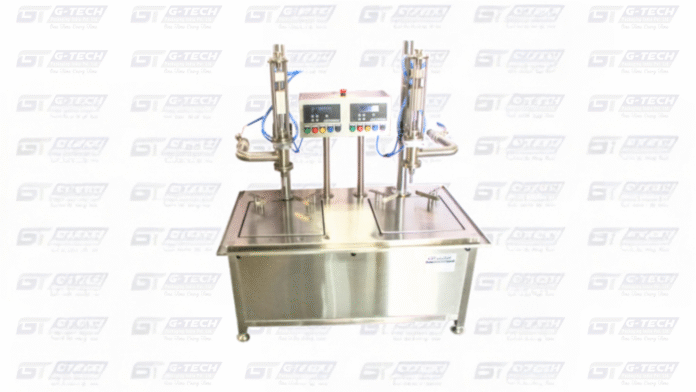
Sustainability has moved from a marketing buzzword to a business requirement for liquid packaging manufacturers. As edible oil, lubricant, and pharma brands face tighter environmental norms and increasingly eco-conscious buyers, the machines running their production lines are being asked to do more than fill and seal — they’re being asked to cut waste, save energy, and support recyclable materials without slowing production down.
Why Sustainability Is Now a Packaging Line Priority
Global manufacturers are under pressure from two directions: regulators tightening rules on plastic use and packaging waste, and consumers actively choosing brands that demonstrate environmental responsibility. For liquid packaging businesses in India — where the packaging machinery market is projected to grow at a double-digit pace through 2032, driven partly by automation and efficiency demands — this shift means production equipment itself has become part of the sustainability story, not just an afterthought to it.
Where the Real Savings Happen
- Precision Filling Reduces Product Loss
Overfilling isn’t just a compliance risk — it’s wasted product, wasted packaging material, and wasted money. Servo-driven and weighmetric filling systems use load-cell or volumetric precision to fill each container to an exact target, virtually eliminating overfill and spillage. Over a full production run, this precision translates into measurable material and cost savings. - Lightweight and Recyclable Packaging Compatibility
As brands shift toward thinner PET bottles, mono-material pouches, and recyclable caps to meet sustainability targets, filling and capping machines need the flexibility to handle these lighter, less rigid formats without jamming or damaging containers. Modern capping heads with adjustable torque control and gentle handling mechanisms make this transition possible without a drop in line speed. - Energy-Efficient Automation
PLC-based and servo-controlled machines consume power more intelligently than older pneumatic systems, running motors only when needed rather than maintaining constant pressure. Combined with automatic shutdown features during idle periods, this reduces the overall energy footprint of a packaging line — a factor increasingly tracked in corporate sustainability reporting. - Reduced Downtime, Reduced Waste
Every unplanned stoppage on a filling line risks partially filled containers, contaminated batches, or damaged packaging that ends up as waste. Reliable, well-maintained automation with fewer breakdowns doesn’t just protect output targets — it directly reduces the volume of rejected or discarded material.
What This Means for Buyers
For businesses evaluating new filling, capping, or labeling equipment, sustainability credentials are becoming a genuine differentiator alongside speed and accuracy. Questions worth asking suppliers now include: How precise is the fill accuracy? Can the machine handle lightweight or recyclable packaging formats? What is the energy consumption profile compared to older models?
G-Tech’s Approach
At G-Tech Packaging, our volumetric and servo-based filling systems, along with our capping and labeling ranges, are engineered for the accuracy that minimizes product and material waste — a design philosophy that has supported over 1,550 domestic and 200+ export installations across industries like edible oils, lubricants, and pharmaceuticals. As sustainability expectations rise across global markets, choosing packaging automation built for precision isn’t just good manufacturing practice — it’s good environmental practice too.
Looking to upgrade your packaging line with sustainability and efficiency in mind? Get in touch with G-Tech Packaging for a customised solution.