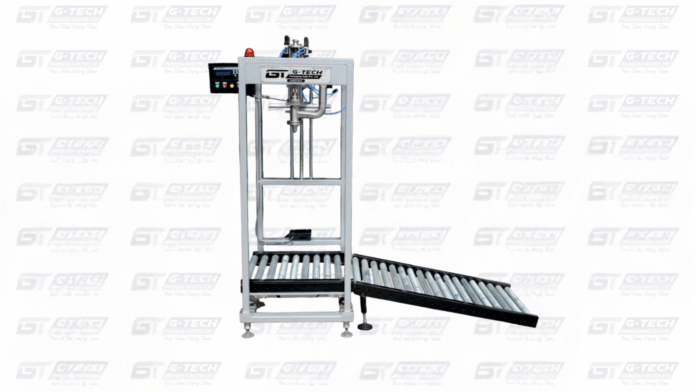

In modern manufacturing industries, machines are becoming smarter, faster, and more efficient. One of the key technologies behind this transformation is HMI (Human Machine Interface). HMI acts as the communication bridge between operators and machines, allowing users to monitor, control, and manage machine operations easily. When a machine is equipped with a high-quality HMI system like GTECH HMI, it significantly improves productivity, accuracy, and overall machine performance.
What is HMI and Why is it Important?
Human Machine Interface (HMI) is a digital control panel or touchscreen interface that allows operators to interact with machines. It displays real-time data, machine status, operational parameters, alarms, and production information.
Instead of relying on complex manual controls, operators can simply use the touchscreen interface to manage machine settings. This makes machine operation easier, faster, and more reliable.
In industries like liquid filling, capping, packaging, and labeling, an advanced HMI system helps maintain precision and ensures smooth production.
Key Benefits of Using a High-Quality HMI System
1. Easy Machine Operation
A well-designed HMI simplifies machine control. Operators can easily start, stop, or adjust machine settings through a user-friendly touchscreen. This reduces training time and allows new operators to quickly understand the system.
2. Real-Time Monitoring
One of the biggest advantages of advanced HMI systems is real-time monitoring. Operators can instantly check production data, machine performance, filling speed, and operational parameters directly from the display screen.
This helps identify issues quickly and ensures that production runs smoothly without unexpected downtime.
3. Improved Production Efficiency
With clear visual controls and automated settings, an advanced HMI helps optimize machine performance. Operators can quickly change production parameters such as filling volume, speed, or batch settings without stopping the machine for long periods.
This results in faster production cycles and improved overall efficiency.
4. Error Detection and Alerts
Modern HMI systems provide alarm notifications and error alerts whenever the machine detects any abnormal condition. This helps operators take immediate action and prevents potential machine damage or production losses.
Early detection of problems ensures better machine maintenance and longer equipment life.
5. Better Data Management
Advanced HMI systems allow operators to track production data, batch information, and operational history. This data can be used for quality control, production analysis, and process improvement.
For manufacturing companies, this feature plays a major role in improving decision-making and operational planning.
Why GTECH HMI Stands Out
Machines equipped with GTECH HMI are designed with operator convenience and industrial performance in mind. The interface is intuitive, responsive, and optimized for industrial environments. It allows precise control over machine parameters while ensuring smooth communication between the machine and the operator.
By integrating advanced HMI technology, GTECH machines help industries achieve higher productivity, better accuracy, and reliable automation.
Conclusion
In today’s competitive manufacturing environment, investing in machines with a high-quality HMI system is essential. Advanced solutions like GTECH HMI not only simplify machine operation but also improve efficiency, safety, and production control.
For industries aiming to enhance automation and productivity, a smart HMI system is no longer optional—it is a necessity for modern manufacturing success.