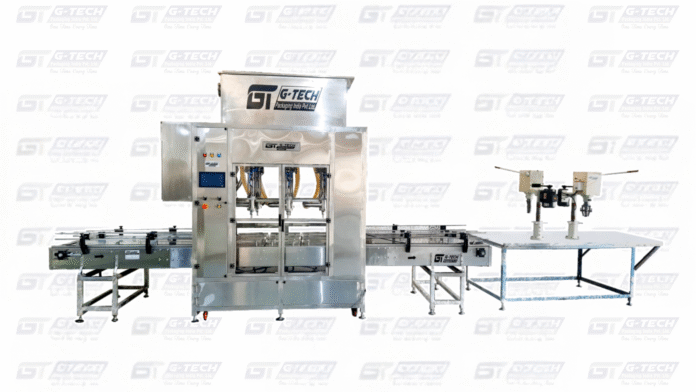

Phenyl, floor cleaners, toilet cleaners, dishwash liquids and hand washes are bought in almost every Indian household, week after week. The market includes large national brands and thousands of regional and local manufacturers. For smaller units, filling is often still done by hand from drums, which is slow, messy and unsafe for workers handling chemicals all day.
A phenyl filling machine can change that. This guide explains what makes household chemicals different to fill, which machine features matter, and how to plan a line for bottles and cans.
Why Household Chemicals Need the Right Machine
- Chemical contact: phenyl, acid-based toilet cleaners and some disinfectants can attack ordinary metals and seals. Contact parts must be compatible with your product.
- Foaming: dishwash liquids and some cleaners foam heavily, so filling speed and nozzle design matter.
- Fumes and smell: strong odours and vapours make manual filling unpleasant and sometimes unsafe.
- Spills: splashes damage labels, floors and machines, and waste product.
- Many pack sizes: brands often sell small bottles, 1 litre bottles and 5 litre cans of the same product.
Choosing Materials for Contact Parts
Material choice is the most important decision for a chemical filling machine. Stainless steel works well for many products, but some acidic or chlorinated cleaners need special grades or plastic contact parts. Always share your product’s safety data sheet with the machine maker so tanks, pipes, nozzles and seals are chosen correctly. A wrong choice leads to corrosion, leaks and frequent seal replacement.
Filling Methods for Phenyl and Cleaners
| Method | Suits | Notes |
|---|---|---|
| Gravity / time-based filling | Thin liquids like phenyl and floor cleaners | Simple and economical; volume depends on steady flow |
| Volumetric (piston or pump) filling | Thicker liquids like dishwash gels and hand wash | Consistent volume across viscosities |
| Weighmetric filling | Larger cans, such as 5 litre packs | Fills by weight, useful for bigger containers |
| Bottom-up filling | Foaming products | Reduces foam and overflow |
Many of these principles are shared with oil filling. G-Tech Packaging’s liquid filling machines, including weighmetric filling machines for larger containers, can be configured for different liquids after reviewing your product.
Bottles, Cans or Both?
Most cleaner brands sell several pack sizes. Planning for them from the start avoids buying separate machines later.
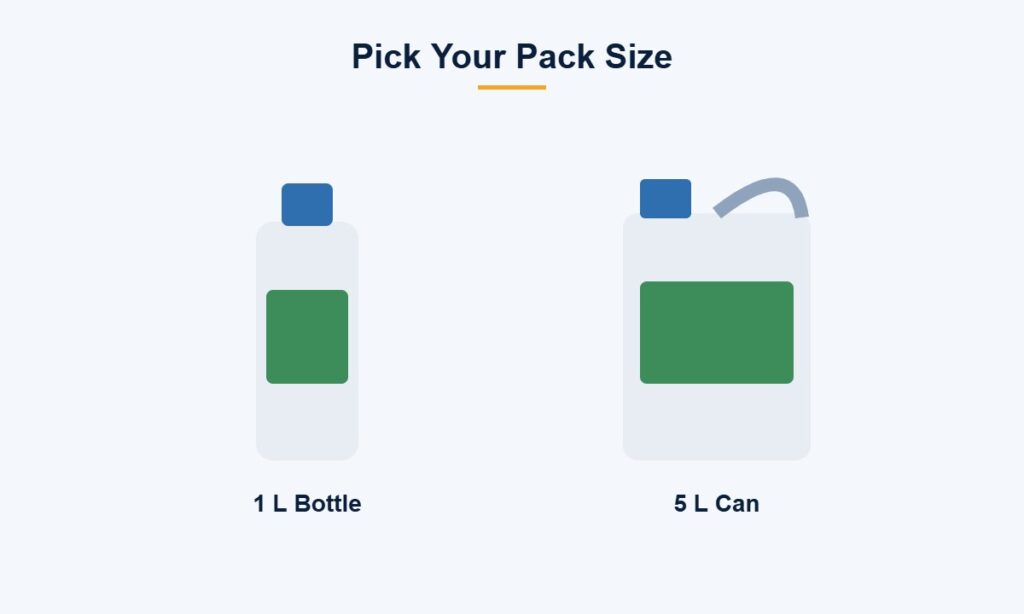
- Small and 1 litre bottles: high volume, retail shelves, usually need labeling and good cap tightness.
- 5 litre cans: popular with institutions, offices and bulk buyers; weighmetric filling often suits these.
- Changeover: ask how quickly the machine can switch between sizes, including nozzle height, guide rails and volume settings.
Capping, Sealing and Packing
Leaks are a big concern with chemicals, both for safety and for brand image. After filling, a capping machine with consistent torque, and an induction sealing machine for a foil seal, help keep product inside the bottle during transport. Shrink wrapping bottles in groups using a shrink tunnel, and closing cartons with a box sealer, make handling and dispatch easier. Our post on leak testing in liquid packaging explains another layer of protection.
Worker Safety and Hygiene
- Provide good ventilation in the filling area.
- Give operators gloves, goggles and aprons suited to the chemicals handled.
- Keep a spill kit and water source nearby.
- Store bulk chemicals away from the packing area.
- Clean nozzles and trays at the end of each shift to prevent build-up.
- Follow your product’s safety data sheet for handling instructions.
Automation itself improves safety, as workers no longer pour from drums or stand over open containers. Learn more about our work with chemical manufacturers.
Frequently Asked Questions
Can one machine fill phenyl, floor cleaner and hand wash?
Often yes, if contact materials suit all the products and the filling method handles their different thicknesses. Clean thoroughly between products to avoid contamination and smell carry-over.
Is stainless steel suitable for all cleaners?
Not always. Some acidic or chlorine-based products need special materials. Share your product details and safety data sheet with the machine maker before finalising.
Should I start with a semi-automatic machine?
For small volumes, a semi-automatic filler can be a good first step. As demand grows, an automatic line with capping and labeling saves labour and improves consistency.
Talk to G-Tech Packaging India, Ahmedabad
Want to move from hand filling to an automatic phenyl or cleaner line? G-Tech Packaging India, Ahmedabad can recommend a filling, capping and packing set-up for your products and pack sizes. Share your product, container sizes and target output with our team, and we will suggest a practical machine set-up for your plant. Contact G-Tech Packaging India or email us at sales@gtechpackaging.in.