HomeBlogGovernment Regulations for Lubricant Oil Manufacturing & Packaging in India

Government Regulations for Lubricant Oil Manufacturing & Packaging in India

Lubricant oil production and packaging in India is governed by multiple regulations aimed at safety, environmental protection, and quality assurance. Unlike edible oils, lubricants fall under industrial and chemical regulations.

The Bureau of Indian Standards (BIS) sets quality benchmarks for lubricants. Products must meet specific viscosity, performance, and safety standards before reaching the market.

Packaging also plays a crucial role. Containers must be leak-proof, durable, and resistant to chemical reactions. HDPE containers and metal drums are commonly used due to their strength and compatibility with lubricants.

Labeling requirements include:

  • Product specifications
  • Hazard warnings
  • Manufacturer details
  • Batch and manufacturing date

Improper labeling can lead to legal consequences and customer safety risks.

Environmental compliance is another major factor. The Central Pollution Control Board (CPCB) regulates waste disposal, emissions, and handling of used oil. Companies must ensure proper recycling and disposal systems to avoid environmental damage.

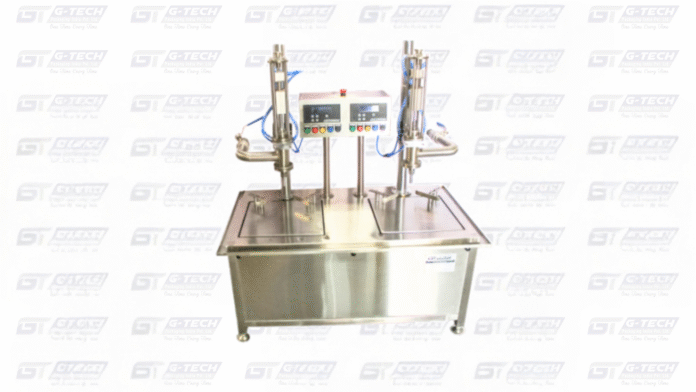
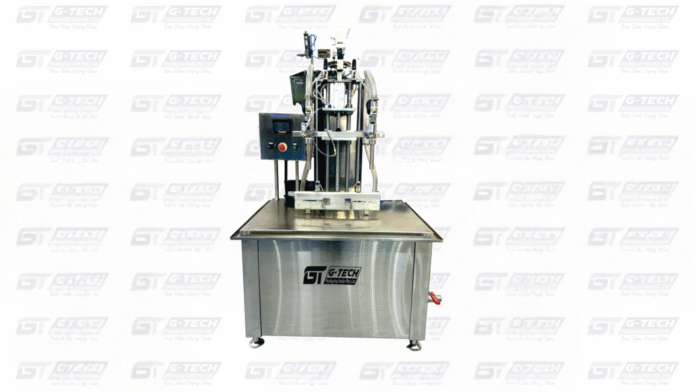
Automation in packaging lines helps reduce spillage, ensures accurate filling, and improves operational efficiency. High-speed filling machines are essential for large-scale lubricant production.

In 2026, sustainability is becoming a priority. Government bodies are encouraging recyclable packaging and eco-friendly production practices.

For lubricant manufacturers, staying compliant ensures smooth operations, avoids penalties, and builds credibility in the market.

More Products

Why Packaging Speed Decides Your Market Success

In today’s fast-moving manufacturing world, production speed plays a crucial role in determining a company’s success. While many businesses focus on product quality and...

G-Tech Astonishes at BOLAT 2025: A Historic Display Establishing the Scene

G-Tech Packaging India Pvt. Ltd. participated in the second BOLAT (Base Oils, Lubricants and Additives Technology Expo) from September 15–17, 2025, at the Sheikh...

Liquid Filling Machines

rotary monoblock filling and capping machine

Rotary Monoblock Filling and Capping Machine

2x filling + bucket sealing

2X Filling + Bucket Sealing

table top filling machine

Table Top Filling Machine

Related Products

Why Water and Beverage Brands Are Switching to Automated Filling Lines

India's packaged water and beverage market is growing fast, and with that growth comes...

Why Cosmetics and Personal Care Brands Need Precision Packaging, Not Just Fast Packaging

Cosmetics and personal care products are some of the trickiest liquids to package well....

How Smart Sensors and IoT Are Transforming Liquid Packaging Lines in 2026

Liquid packaging is no longer just about filling bottles fast — it's about filling...

Why Global Buyers Are Increasingly Choosing Indian Packaging Machinery Manufacturers

For years, European and Chinese manufacturers dominated the liquid packaging machinery export market. That's...

Top Liquid Packaging Automation Trends for 2026: What Every Indian Manufacturer Should Know

The liquid packaging industry is moving faster than ever. Whether you're bottling edible oil,...

Sustainable Packaging in 2026: How Automation Helps Indian Manufacturers Cut Waste and Meet Green Expectations

Sustainability used to be a line item in a company's CSR report. In 2026,...

Why Automated Liquid Filling Machines Are a Smart Investment for Growing Businesses

Every manufacturer reaches a point where manual or semi-automatic filling can no longer keep...

Choosing the Right Filling and Capping Machine for Your Edible Oil Business

India's edible oil industry is expanding fast, and with that growth comes pressure on...

Edible Oil Filling Machines: The Complete Guide to Fast, Hygienic Packaging

India's edible oil industry is one of the fastest-growing segments in the food processing...

Why Automatic Capping Machines Are Essential for Modern Packaging Lines

In a packaging line, capping is often treated as an afterthought — a simple...