HomeBlogSemi-Automatic vs Fully Automatic Filling Machines: Which Is Right for Your Oil...

Semi-Automatic vs Fully Automatic Filling Machines: Which Is Right for Your Oil Business?

If you pack edible oil, lubricants or chemicals, the way you fill bottles and tins directly affects your profit. Overfilling wastes product, underfilling invites complaints, and slow lines delay orders. This is why many small and mid-sized manufacturers in India are moving from manual and semi-automatic filling to fully automatic, servo-driven systems.

Semi-automatic machines: a good starting point

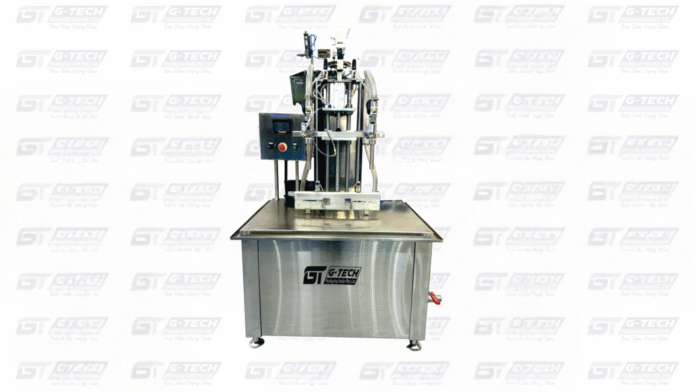
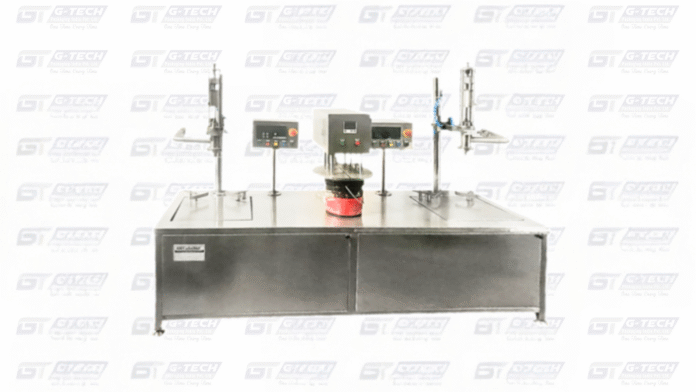
A semi-automatic filler needs an operator to place containers and start the cycle. It suits businesses with lower volumes, tighter budgets or a wide mix of container sizes. Load cell-based models can handle anything from small bottles to 15-litre tins with good accuracy. The trade-off is that output depends on how fast and consistently your operators work.

Fully automatic servo-driven machines: built for scale

Servo-driven fillers control the filling stroke and speed electronically, so every container gets the same quantity with very little variation. Conveyors, sensors and PLC controls handle the rest, so you need fewer operators and get steadier output. Key benefits include:

  • Accuracy: Less giveaway means real savings over thousands of units.
  • Speed: Higher bottles per hour with minimal stoppages.
  • Quick changeovers: Switch between 500 ml, 1 litre and 5 litre packs by changing settings rather than parts.
  • Cleaner filling: Reduced drips and spills mean less wastage and a tidier line.

How to decide

Ask yourself four questions:

  1. What is your daily volume? If you are hitting your limit with semi-automatic, it is time to upgrade.
  2. How many product types do you pack? Frequent switching favours machines with fast changeover.
  3. What does labour cost you? Automation often pays back through fewer operators and less rework.
  4. Do you plan to grow? Choose a machine that can expand into a complete line with capping, sealing, labelling and coding.

Think beyond the filler

A filling machine works best as part of a connected line. Pairing it with capping, induction sealing, batch coding and shrink wrapping gives you consistent, retail-ready packs from a single workflow.

Choose local support

A Made-in-India manufacturer offers faster service, easier spare parts and customisation for your product’s viscosity and container shape. Before buying, ask about warranty, installation, operator training and after-sales response time.

Final thought

There is no single right answer. Semi-automatic is smart for starting out, and servo-driven automatic lines are the natural step as demand grows. Share your product, container size and target output with a packaging machinery expert, and they can recommend the right setup.

Looking to upgrade your packaging line? Contact G-Tech Packaging for a customised solution.
More Products

Why Global Buyers Are Increasingly Choosing Indian Packaging Machinery Manufacturers

For years, European and Chinese manufacturers dominated the liquid packaging machinery export market. That's changing fast. Buyers across the Middle East, Africa, and South...

Creation and Application of Customer-Specific Predictive Maintenance Programs for G-Tech Industrial Equipment

Predictive maintenance has developed from a futuristic idea to an essential operational tactic in contemporary manufacturing. Through customer-specific predictive maintenance systems created to guarantee...

Liquid Filling Machines

2x filling + bucket sealing

2X Filling + Bucket Sealing

bucket filling + lid machine

Bucket Filling + Lid Machine

semi automatic plc based filling machine

Semi Automatic PLC Based Filling machine

Related Products

How Servo-Based Filling Machines Improve Accuracy and Cut Product Wastage

In liquid packaging, small errors add up quickly. Overfilling a bottle by just a...

G-Tech Packaging India: Complete Bottle Packaging Solutions from Ahmedabad

Since 2011, G-Tech Packaging India Pvt. Ltd. has helped manufacturers pack their products faster,...

Why Induction Cap Sealing Is Essential for Leak-Proof Packaging

Few things hurt a brand faster than a leaking bottle. Oil on a shop...

FSSAI Labelling Amendment 2026: What It Means for Your Packaging and Labeling Line

In 2026, food labelling in India has moved from a back-office formality to a...

Festive Season Rush: Is Your Oil Packaging Line Ready for Diwali 2026?

Every year, the weeks before Diwali bring the biggest demand spike for edible oil,...

How Automatic Packaging Machines Are Transforming the Edible Oil and Lubricant Industries in India

India's edible oil and lubricant industries are undergoing a quiet but significant transformation on...

Automatic Bottle Filling, Capping & Labeling Machines: A Complete Buyer’s Guide for Indian Manufacturers

If you manufacture edible oil, lubricants, chemicals, or beverages, your packaging line is one...

A Practical Buyer’s Guide: Choosing the Right Filling, Capping, and Labeling Machine

Buying a bottle packaging line is a long-term decision. Unlike consumables or raw materials,...

Why Indian SMEs Are Switching to Automatic Filling Machines —What It Means for Your Bottling Line

For years, semi-automatic filling and capping lines were the default choice for small and...

The Preventive Maintenance Routine That Keeps a Liquid Packaging Line Running

Breakdowns rarely arrive without warning. A capping head that has been chattering for a...