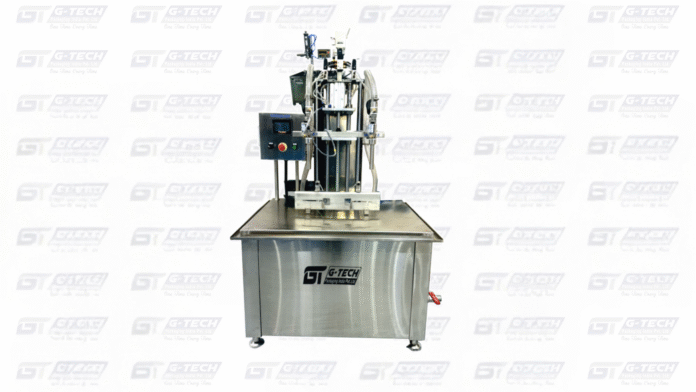
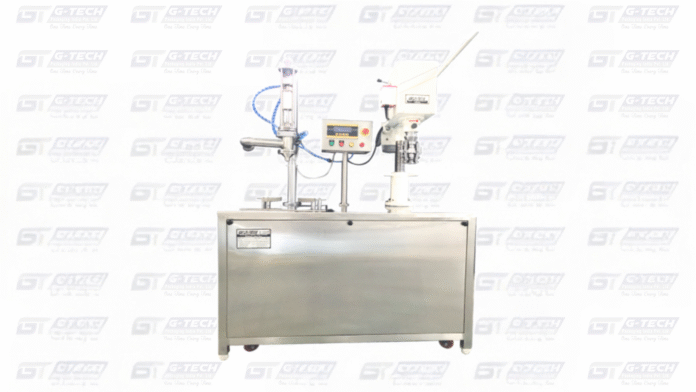
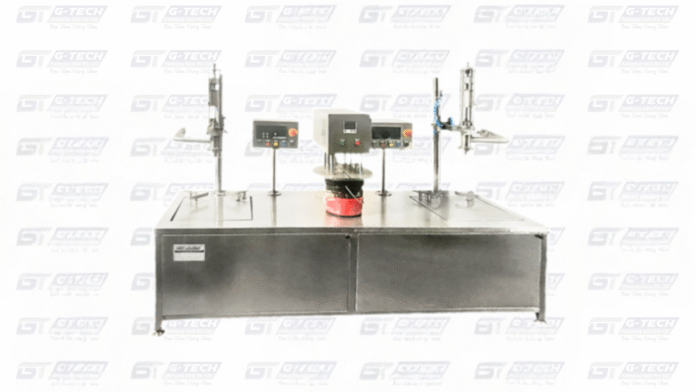
Liquid packaging is no longer just about filling bottles fast — it’s about filling them smart. As Indian manufacturers in edible oil, lubricants, dairy, and pharma scale up production, IoT-enabled sensors and connected PLC systems are quickly becoming the new industry standard rather than a luxury upgrade.
Why IoT Matters on the Packaging Floor
Traditional filling and capping lines rely on manual monitoring — an operator checking fill levels, cap torque, and label alignment by eye. This works, but it’s slow to catch errors and impossible to scale without adding headcount. Smart sensors change that equation. Load cells, flow meters, and vision-based inspection systems now feed real-time data into centralized PLC or SCADA dashboards, flagging underfills, misaligned caps, or leak risks before a single defective unit reaches the carton.
For high-volume edible oil and lubricant producers, this isn’t a minor convenience. A 0.5% fill deviation across a million-unit production run adds up to real financial loss and regulatory risk. Connected systems catch these deviations instantly.
Predictive Maintenance Over Reactive Repairs
One of the most valuable shifts IoT brings is predictive maintenance. Sensors on servo motors, pumps, and conveyor drives track vibration, temperature, and cycle counts, alerting maintenance teams before a component fails rather than after a line goes down. For manufacturers running multi-shift operations, unplanned downtime on a filling or capping line can halt an entire production schedule. Predictive alerts mean maintenance can be scheduled during planned downtime instead.
Traceability and Compliance
Pharma and food-grade liquid packaging increasingly demand batch-level traceability — knowing exactly which machine, shift, and settings produced every unit. IoT-connected filling lines can automatically log this data, making compliance audits and recall management far faster than paper-based tracking ever could.
Remote Monitoring Across Locations
For companies with multiple manufacturing units or export operations, IoT dashboards allow plant managers to monitor line performance remotely — whether that’s a facility in Ahmedabad or a client installation overseas. Real-time visibility into output rates, downtime, and error logs means faster decision-making without needing someone physically on the floor.
What This Means for Growing Manufacturers
The good news is that smart automation is no longer reserved for large multinational plants. PLC-based filling, capping, and labeling machines with built-in sensor feedback are increasingly accessible to mid-sized manufacturers looking to modernize a single line at a time, rather than overhauling an entire factory at once.
At G-Tech Packaging, PLC-controlled filling, capping, and labeling systems are engineered with this shift in mind — built to integrate sensor feedback, minimize wastage, and give manufacturers the accuracy and uptime that 2026’s competitive edible oil, lubricant, and pharma markets demand.
Thinking about upgrading your packaging line with smarter automation? G-Tech Packaging’s team can help you evaluate the right filling, capping, and sealing setup for your production goals — reach out for a customised quote.