
Cold-pressed oils — mustard, groundnut, sesame, coconut, and now even niche oils like flaxseed and almond — have become one of the fastest-growing segments in India’s edible oil market. Health-conscious consumers are willing to pay a premium for oils that retain their natural nutrients, aroma, and colour. But this growth brings a packaging challenge that many manufacturers underestimate: cold-pressed oils don’t behave like refined oils on a filling line, and treating them the same way often leads to spillage, inconsistent fill weights, and quality loss.
Why Cold-Pressed Oils Are Harder to Package
Refined oils are processed to be uniform in viscosity and clarity, which makes them predictable on standard filling equipment. Cold-pressed oils are different. Their viscosity can shift with temperature and batch, sediment or natural particles are sometimes present, and their stronger aroma and colour make brands want spotless, drip-free bottles for retail shelves. A filling machine built only for thin, refined liquids often struggles with these variables, resulting in foaming, dripping nozzles, or inaccurate volumes — all of which hurt both cost and brand image.
The Machine Features That Actually Matter
For cold-pressed oil brands, three things make the biggest difference on the line:
Anti-drip, anti-foam nozzles. Since cold-pressed oils are often bottled in clear glass or PET for a premium look, any dripping or residue at the neck is immediately visible to the customer. Nozzles designed to control flow and cut off cleanly prevent this mess before it happens.
Adjustable, viscosity-tolerant filling systems. Whether it’s a piston filler or a servo-driven volumetric system, the machine needs to handle small batch-to-batch viscosity changes without needing a full recalibration every time. This keeps fill accuracy consistent even as raw material varies with season and source.
Gentle handling to preserve quality. Unlike refined oils, cold-pressed variants are valued for retaining nutrients and flavour. Filling systems that minimise agitation, air exposure, and heat during the process help preserve exactly what makes these oils special.
Why This Matters for Growing Brands
Many cold-pressed oil producers start small, filling by hand or with basic semi-automatic machines. As demand grows — whether from local retail, D2C online orders, or export markets — manual filling becomes a bottleneck and a quality risk. Inconsistent fill levels can trigger compliance issues under weights and measures regulations, while visible spillage or drips on premium packaging quietly erodes consumer trust.
Investing in the right automatic or semi-automatic filling and capping line early lets a growing brand scale production without sacrificing the artisanal quality that justifies its premium pricing.
Building a Line That Fits Your Product
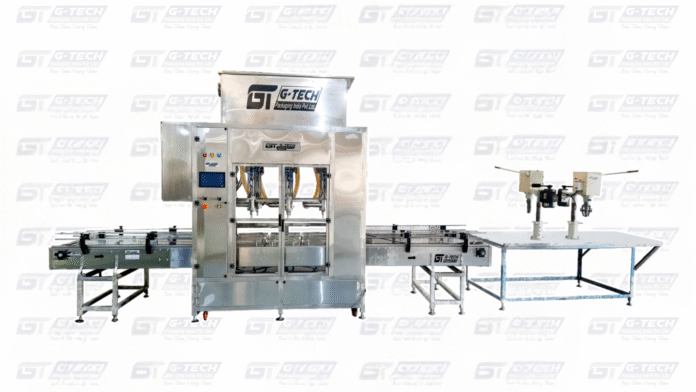
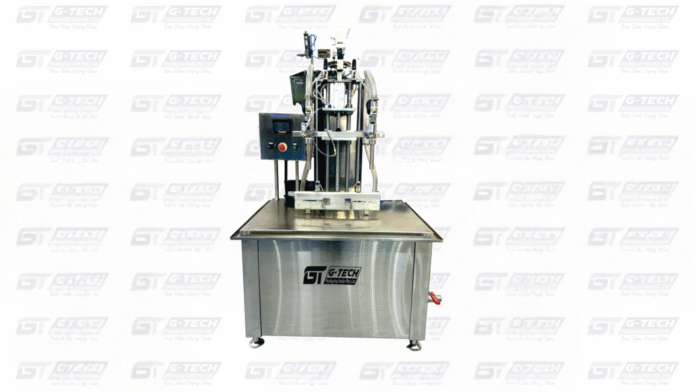
At G-Tech Packaging, we work with edible oil manufacturers to specify filling machines — volumetric, weighmetric, or servo-based — matched to the specific viscosity and packaging format of their product, paired with capping and labeling systems that keep bottles clean and shelf-ready. With over a decade of experience serving the edible oil industry and installations across India and abroad, we understand that no two oils fill the same way.
If your cold-pressed oil line is ready to move beyond manual filling, our team can help you choose equipment that protects both your product quality and your production efficiency.
Get in touch with G-Tech Packaging for a customised filling and packaging solution built around your product.