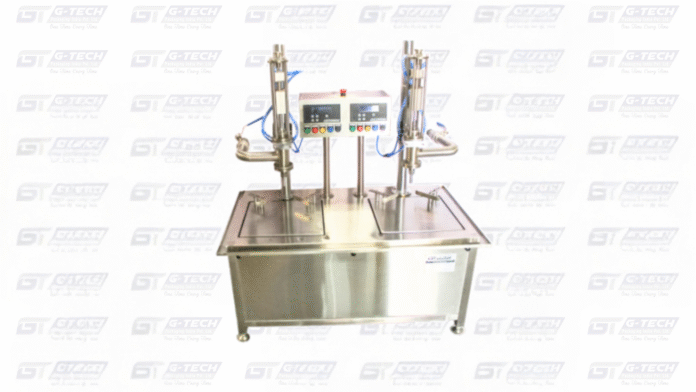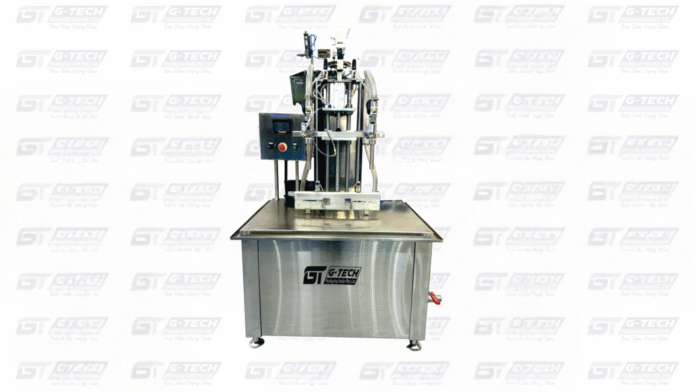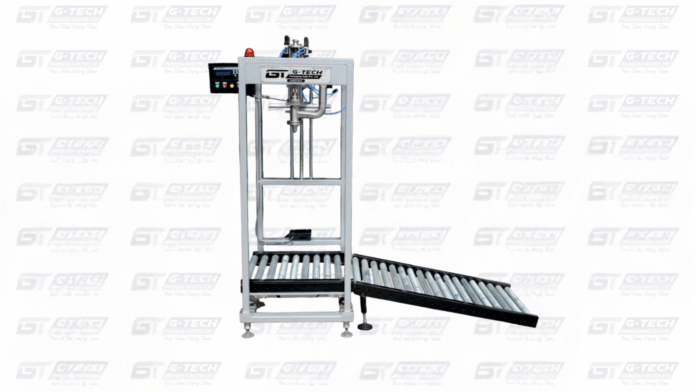

Edible oil filling machine technology has revolutionized the way manufacturers bottle and package cooking oils, ensuring both efficiency and pristine product quality. In the competitive food industry, where consumer trust hinges on consistency and hygiene, a reliable filling solution is not just an advantage—it’s a necessity. Modern filling machines are engineered to handle the unique properties of various edible oils, from thin sunflower oil to viscous olive oil, delivering precise fills with minimal waste and maximum speed. This technology is critical for brands looking to scale their operations, meet stringent regulatory standards, and present a professional, tamper-proof product on supermarket shelves.
The Indispensable Role of an Edible Oil Filling Machine
Investing in a specialized edible oil filling machine offers a multitude of benefits that directly impact a company’s bottom line and market reputation. Foremost among these is unparalleled precision. Manual filling is prone to inconsistencies, leading to overfills (costing the company money) or underfills (leading to regulatory fines and customer dissatisfaction). Automated systems, however, utilize advanced measuring techniques—such as volumetric, gravimetric, or flow meter filling—to ensure every bottle contains the exact specified amount. This accuracy not only optimizes product usage but also reinforces consumer trust in the brand’s commitment to quality.
Beyond precision, these machines significantly boost production speed. Manual or semi-automatic processes are inherently slower and more labor-intensive, limiting daily output. An automatic oil packaging machine can process hundreds or even thousands of bottles per hour, drastically increasing production capacity and enabling businesses to meet high demand more effectively. This enhanced speed translates into quicker market entry and improved responsiveness to seasonal peaks.
Hygiene is another critical factor. Edible oils are food products, and contamination can lead to severe health risks and product recalls. Modern filling machines are constructed from food-grade stainless steel (often SUS304 or SUS316L), designed for easy cleaning and sterilization. Closed-loop filling systems minimize exposure of the oil to external contaminants, ensuring product purity from tank to bottle.
Types of Advanced Liquid Filling Systems for Edible Oils
The landscape of edible oil filling technology is diverse, offering solutions tailored to various production scales and oil characteristics.
Volumetric Filling Machines: These dispense a consistent volume of oil into each container. They are highly accurate for oils with stable densities and are often used for high-speed operations.
Gravimetric Filling Machines: Ideal for highly accurate filling where precise weight is critical. These machines measure the oil by weight, compensating for any density variations that might occur due to temperature changes, making them exceptionally precise.
Flow Meter Filling Machines: Utilizing flow meters (mass or magnetic) to measure the amount of liquid dispensed, these offer excellent accuracy and are versatile for different oil viscosities.
Piston Filling Machines: Suited for both thin and viscous oils, these use a piston to draw a precise volume of oil and then dispense it into containers. They are robust and can handle oils with small particulates.
Semi-Automatic vs. Automatic Oil Packaging Machine: Semi-automatic fillers require an operator to load and unload containers, suitable for smaller batches or evolving businesses. Fully automatic systems integrate seamlessly into complete production lines, handling container feeding, filling, capping, labeling, and even packaging with minimal human intervention. An automatic oil packaging machine offers the highest level of efficiency and consistency for large-scale operations.
Key Features of a High-Quality Edible Oil Filling Machine
When selecting an edible oil filling machine, several features differentiate a good system from an exceptional one:
Material Construction: Food-grade stainless steel (SUS304 or SUS316L) is non-corrosive and easy to sanitize, crucial for food safety.
Filling Accuracy: Look for machines with high fill accuracy rates, typically within ±0.5% or better, to minimize waste and ensure compliance.
Adjustability and Versatility: The ability to easily adjust fill volumes and accommodate various bottle sizes and shapes (e.g., PET, glass, HDPE) is vital for production flexibility.
CIP (Clean-in-Place) System: An integrated CIP system automates the cleaning process, reducing downtime and ensuring thorough sanitation without disassembling the machine.
No Bottle, No Fill Sensor: This prevents spillage and waste by ensuring the machine only dispenses oil when a container is correctly positioned.
Drip-Free Nozzles: Essential for maintaining a clean packaging environment and preventing product waste.
User-Friendly HMI (Human-Machine Interface): A touch-screen interface allows for easy setup, operation, troubleshooting, and recipe management.
Safety Features: Emergency stop buttons, safety guarding, and overload protection are crucial for operator safety and machine longevity.
Achieving Flawless Edible Oil Packaging
The ultimate goal of using an advanced liquid filling system is to achieve flawless edible oil packaging that protects the product and appeals to the consumer. A high-quality filling machine is the cornerstone of this process. It ensures:
Consistent Fill Levels: Bottles appear uniform, which is critical for shelf appeal.
Cleanliness: Drip-free operation means no messy bottle exteriors, enhancing product presentation.
Integrity: Precise filling reduces headspace, which can help prolong shelf life by minimizing oxidation.
Compliance: Meeting net content regulations avoids legal issues and fosters consumer trust.
Furthermore, these machines often integrate seamlessly with other packaging equipment, such as capping machines, labeling machines, and carton packers, forming a complete, high-efficiency edible oil packaging line. This integration streamlines the entire production process, from raw oil to ready-for-market product.
Choosing Your Ideal Edible Oil Filling Machine
Selecting the correct edible oil filling machine requires careful consideration of several factors:
Production Volume: Determine your current and projected daily/hourly output. This will guide you toward semi-automatic or fully automatic solutions.
Types of Oil: Consider the viscosity and specific properties of the oils you plan to package.
Container Types and Sizes: Ensure the machine can handle your existing and future container specifications.
Budget: Balance initial investment with long-term operational costs and ROI.
Space Availability: Consider the physical footprint of the machine within your facility.
* Supplier Support: Look for reputable manufacturers who offer excellent after-sales service, spare parts, and technical support.
In conclusion, an advanced edible oil filling machine is a pivotal investment for any company involved in the edible oil industry. It drives efficiency, guarantees precision, upholds hygiene standards, and ultimately ensures the delivery of a superior product to the consumer. By understanding the available technologies and key features, businesses can select the perfect liquid filling system to achieve flawless, efficient edible oil packaging and secure their place in a competitive market.