
As businesses grow, their production needs change significantly. What once worked for a small operation may no longer be efficient when demand begins to increase. One of the biggest challenges growing brands face is maintaining consistent production while meeting larger market demands. This is why many expanding companies invest in advanced packaging machines that help them scale operations smoothly and efficiently.
In the early stages, many businesses rely on manual or semi-automatic packaging processes. These systems are often sufficient when production volumes are low. However, as a brand gains popularity and demand increases, manual processes can quickly become a bottleneck. Slow packaging speed, inconsistent filling, and higher labor requirements can affect productivity and profitability. To overcome these challenges, companies begin upgrading to more advanced packaging solutions.
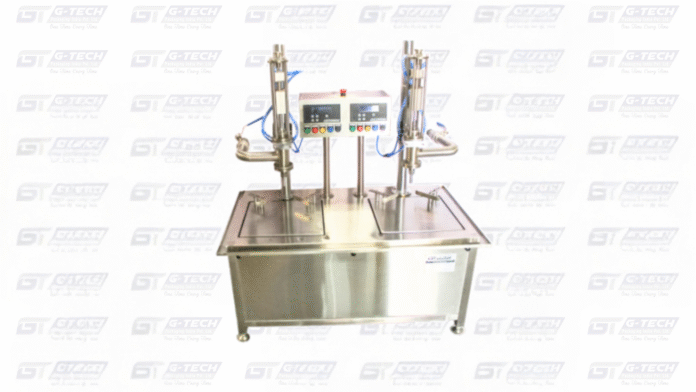
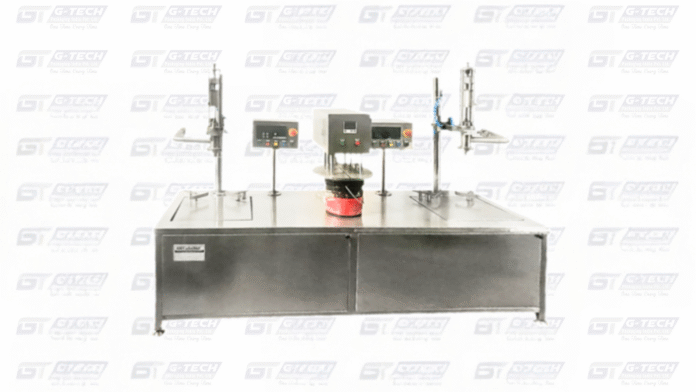
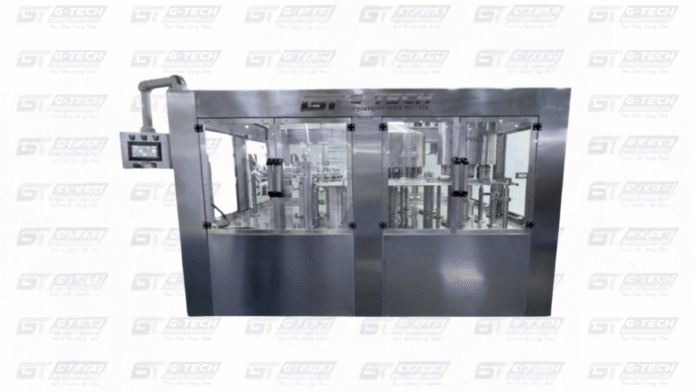
Modern packaging machines are designed to handle high production volumes with precision and reliability. Automated filling machines, capping machines, and labeling systems allow manufacturers to package thousands of bottles or containers within a short period. This increased speed ensures that businesses can fulfill larger orders without delays. As a result, companies can expand their distribution networks and reach more customers.
Another key reason growing brands invest in advanced packaging technology is accuracy and product consistency. When production volumes increase, maintaining the same quality across every product becomes essential. Automated filling systems ensure that each bottle or container receives the exact amount of product, reducing wastage and maintaining product standards. Similarly, automated capping and labeling machines ensure uniform sealing and presentation, which helps maintain brand credibility in the market.
Efficiency is another major factor driving the shift toward advanced packaging machines. Manual operations require significant labor and supervision, which increases operational costs over time. By investing in automated packaging lines, businesses can reduce dependency on manual labor while improving productivity. Employees can then focus on quality control, machine monitoring, and other value-adding tasks rather than repetitive manual work.
Advanced packaging machines also offer flexibility and scalability. Many modern systems are designed to handle different bottle sizes, container types, and product viscosities. This allows companies to introduce new products or packaging formats without replacing the entire production line. For growing brands that plan to expand their product range, this flexibility becomes extremely valuable.
Another important advantage is improved operational reliability. Modern packaging machines are built with advanced control systems, sensors, and automation technologies that minimize errors and downtime. This ensures smoother operations and better production planning, which is critical when dealing with large-scale manufacturing.
Ultimately, investing in advanced packaging machines is not just about improving production speed—it is about preparing a business for future growth. Companies that upgrade their packaging lines can meet rising demand, maintain consistent quality, and operate more efficiently. In a competitive market where speed, reliability, and efficiency matter more than ever, advanced packaging technology helps growing brands build a strong foundation for long-term success.