
Breakdowns rarely arrive without warning. A capping head that has been chattering for a week, a nozzle that drips a little more each shift, a conveyor belt tracking slightly off centre — these are the failures that eventually stop a line mid-batch, usually on the day with the largest dispatch.
Preventive maintenance is simply the habit of catching those signals early. Here is a practical routine for a liquid filling, capping, sealing and labelling line.
Daily: ten minutes at shift start
Wipe down contact parts. Oil, ghee and syrups leave residue that hardens into an abrasive film on nozzles and pistons. Clean while it is still soft.
Drain the air line moisture trap. In humid conditions, condensate collects fast and carries water straight into pneumatic cylinders and solenoid valves.
Check the first ten fills of the batch. Weigh them. If the variation has widened since yesterday, something has already changed — a worn seal, a shifting flow setting, or air trapped in the product line.
Look at the conveyor. Listen for new noises and watch for belt drift. A belt running slightly off track wears its guides and eventually throws containers.
Weekly: thirty minutes with the line stopped
Inspect all seals, O-rings and gaskets on filling pistons and valves. These are cheap parts whose failure is expensive.
Check the capping torque on a sample of packs with a torque tester. Torque drifts gradually as chucks and liners wear, and a drop of a few units is enough to cause leaks in transit.
Examine the labelling applicator — peel plate edge, sensor lens, and pressure rollers. Most label placement problems are optical, not mechanical: a dusty sensor misreads the gap and the whole batch shifts.
Verify that guards, emergency stops and interlocks all function. Test them, don’t assume them.
Monthly and quarterly
Lubricate bearings, guide rods and chains according to the manual — and only with the specified grade. Over-lubrication attracts dust and is as damaging as none.
Tighten electrical terminals in the panel. Vibration loosens connections, and a loose terminal causes intermittent faults that are maddening to trace.
Calibrate load cells on weighmetric fillers and verify volumetric settings against a certified measure. Recalibration is what keeps declared quantity compliance defensible.
Inspect induction sealing coils, shrink tunnel heating elements and leak-testing sensors for drift or damage.
Keep a written log
A machine’s history is its best diagnostic tool. Record every fault, part change and adjustment with the date and machine hours. Patterns appear quickly — a seal that fails every eleven weeks is telling you something about your product, your cleaning chemical, or your seal material.
The monsoon and dust factor
Indian plants face two seasonal stresses: humidity that corrodes and condenses, and airborne dust that clogs. During monsoon, increase moisture-trap draining to twice per shift and keep panels sealed. In dry, dusty months, clean sensor lenses and fan filters more often.
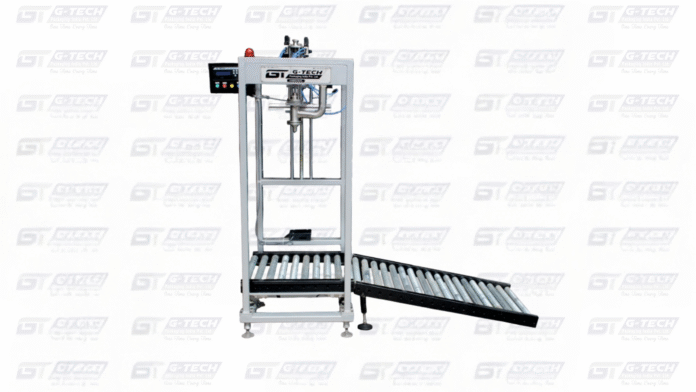
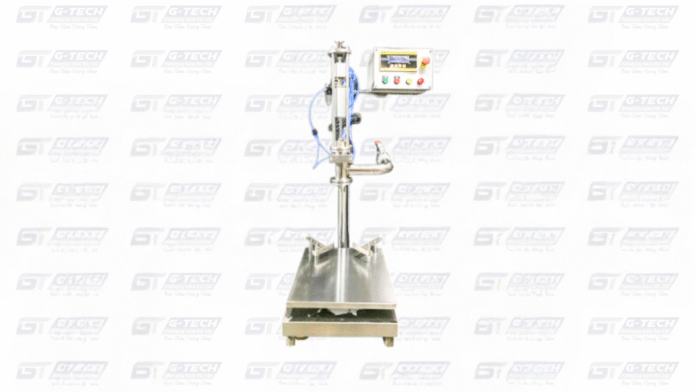
Machines built with stainless contact parts, sealed panels and accessible service points make all of this faster. G-Tech Packaging designs its filling, capping, sealing and labelling equipment around maintainability, backed by service support across India and export markets.
Talk to G-Tech Packaging India Pvt. Ltd. about a maintenance schedule matched to your line.