HomeBlogGovernment Policies Boosting Food & Industrial Oil Manufacturing in India

Government Policies Boosting Food & Industrial Oil Manufacturing in India

The Indian government is actively supporting manufacturing sectors, including edible oil and lubricant industries. Initiatives like Make in India and Production Linked Incentive (PLI) schemes aim to boost domestic production.

The Ministry of Food Processing Industries supports edible oil manufacturers through subsidies, infrastructure development, and modernization schemes.

For industrial oils, policies encourage local manufacturing, reducing dependency on imports. This has created new opportunities for lubricant producers.

Automation and modernization are key focus areas. Companies investing in advanced packaging machinery can improve productivity and qualify for certain incentives.

In 2026, digitalization and smart manufacturing are being promoted under Industry 4.0 initiatives. This includes IoT-enabled machines, real-time monitoring, and AI-driven quality control.

These policies help businesses scale faster, improve quality, and compete globally.

For packaging companies like GTECH, this is an opportunity to provide high-performance machinery that aligns with government goals.
More Products

Edible Oil to Lubricants: How GTECH Designs One Machine for Multiple Industries

In today’s fast-changing manufacturing landscape, flexibility is a major advantage. Brands no longer want separate machines for every product line—they want smart solutions that...

Why Packaging Speed Decides Your Market Success

In today’s fast-moving manufacturing world, production speed plays a crucial role in determining a company’s success. While many businesses focus on product quality and...

Liquid Filling Machines

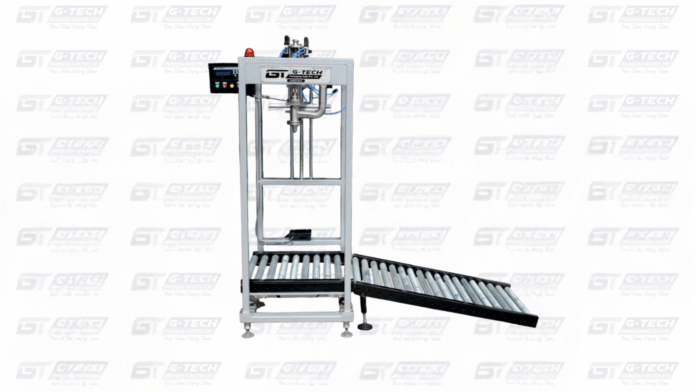
drum filling machine

Drum Filling Machine

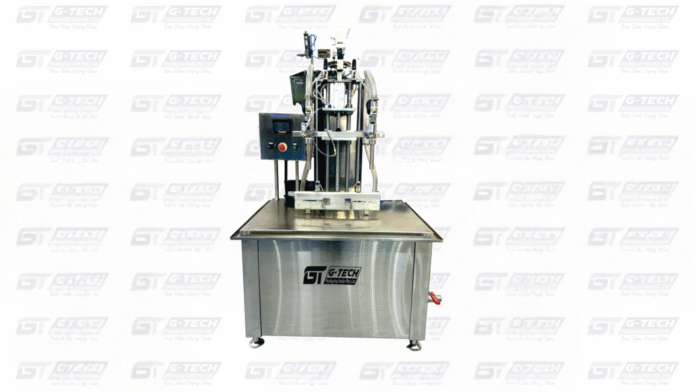
table top filling machine

Table Top Filling Machine

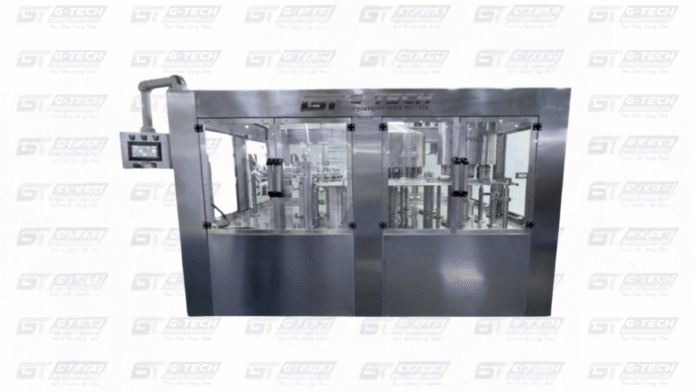
semi automatic plc based filling machine

Semi Automatic PLC Based Filling machine

Related Products

Reducing Downtime: The Value of Fast Changeover Machinery

Contract packagers and dynamic manufacturers rarely run the same product in the same bottle...

Why Growing Manufacturers Choose Turnkey Packaging Lines

When upgrading a facility, some plant managers try to save money by purchasing a...

Beating the Mess: The Importance of Anti-Drop Filling Nozzles

One of the most frustrating and costly issues in liquid manufacturing is the "post-fill...

The Brains of the Operation: Understanding PLC Packaging Automation

When you look at a fully automated liquid packaging line, you see a symphony...

Handling Bulk Packaging: The 15L Edible Oil Tin Challenge

While 1-liter plastic pouches and PET bottles dominate the consumer retail market, the commercial...

Maximize Shelf Appeal with Double-Sided Labeling Technology

Take a walk down the aisle of any supermarket, and you will notice a...

The Power of Precision: Understanding Servo Liquid Filling

For decades, pneumatic cylinders were the standard for driving piston filling machines. While reliable,...

Flawless Presentation: Why Cosmetics Need Specialized Automation

In the beauty and personal care industry, the packaging is just as important as...

Preventative Packaging Machine Maintenance: Stop Breakdowns Before They Happen

An automated liquid packaging line is a major capital investment designed to generate revenue...

Mastering the Art of Viscous Liquid Packaging

Not all liquids are created equal. While water and juices flow effortlessly, products like...