
Lubricant oil production and packaging in India is governed by multiple regulations aimed at safety, environmental protection, and quality assurance. Unlike edible oils, lubricants fall under industrial and chemical regulations.
The Bureau of Indian Standards (BIS) sets quality benchmarks for lubricants. Products must meet specific viscosity, performance, and safety standards before reaching the market.
Packaging also plays a crucial role. Containers must be leak-proof, durable, and resistant to chemical reactions. HDPE containers and metal drums are commonly used due to their strength and compatibility with lubricants.
Labeling requirements include:
- Product specifications
- Hazard warnings
- Manufacturer details
- Batch and manufacturing date
Improper labeling can lead to legal consequences and customer safety risks.
Environmental compliance is another major factor. The Central Pollution Control Board (CPCB) regulates waste disposal, emissions, and handling of used oil. Companies must ensure proper recycling and disposal systems to avoid environmental damage.
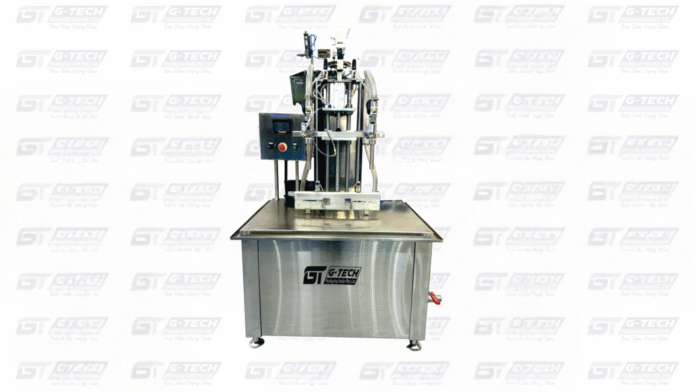
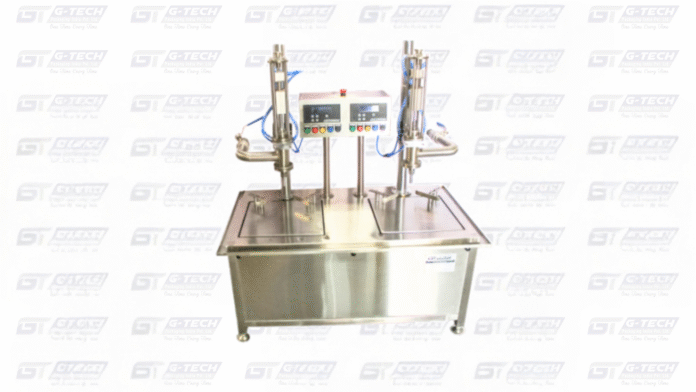
Automation in packaging lines helps reduce spillage, ensures accurate filling, and improves operational efficiency. High-speed filling machines are essential for large-scale lubricant production.
In 2026, sustainability is becoming a priority. Government bodies are encouraging recyclable packaging and eco-friendly production practices.
For lubricant manufacturers, staying compliant ensures smooth operations, avoids penalties, and builds credibility in the market.