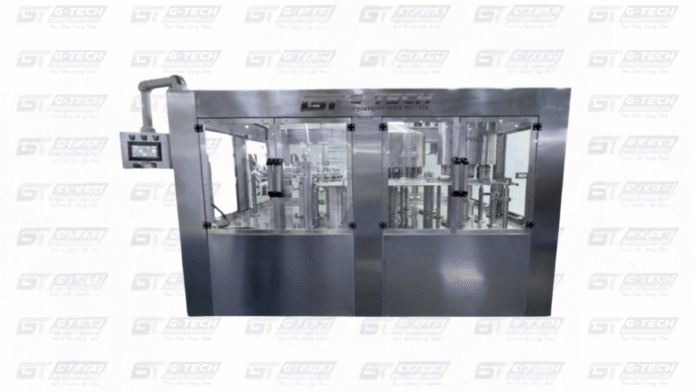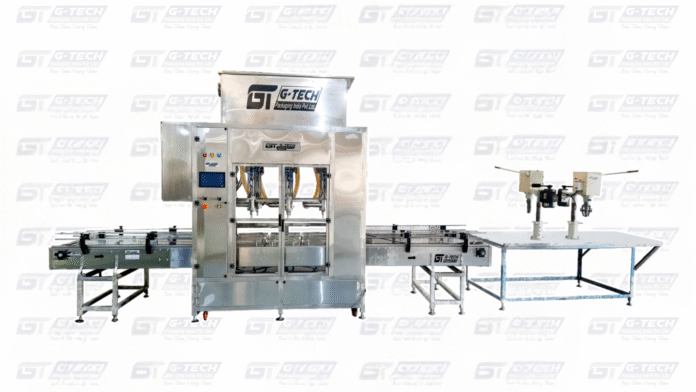

India’s packaged water and beverage market is expanding at a rapid pace, driven by rising demand for safe drinking water, ready-to-drink beverages, and hygienically packed juices. For manufacturers trying to keep up, the difference between a thriving bottling plant and a struggling one often comes down to one thing: how well the packaging line is automated.
At G-Tech Packaging, we’ve helped bottling plants across India and abroad move from manual, error-prone filling to fully automated lines that fill, cap, label, and seal thousands of bottles an hour without compromising hygiene or accuracy. Here’s what plant owners should know before investing in automation.
Why Water & Beverage Packaging Needs Its Own Approach
Unlike thick, viscous liquids such as edible oil or lubricants, water and beverages are low-viscosity and often carbonated or perishable. This creates unique packaging challenges:
- Speed vs. accuracy – Bottling lines need to run at very high speeds while keeping fill levels consistent to avoid product giveaway or underfilling.
- Contamination control – Any exposure to dust, moisture, or human touch can compromise shelf life and safety.
- Foaming and splashing – Carbonated drinks and certain beverages require specialized nozzle design to prevent foam-related fill inconsistencies.
- High-volume packaging – Water brands typically deal with large batch sizes, meaning downtime is far costlier than in low-volume industries.
Core Machines in a Modern Bottling Line
A well-designed water or beverage packaging line typically includes:
- Volumetric or Rotary Filling Machines – For high-speed, accurate filling across a range of bottle sizes.
- Automatic Capping Machines – Screw cappers or ROPP cappers that seal bottles securely and consistently at scale.
- Sticker or Shrink Sleeve Labeling Machines – For sharp, brand-consistent labeling that keeps up with line speed.
- Induction Sealing Machines – To add a tamper-evident foil seal beneath the cap, crucial for consumer trust.
- Shrink Tunnels & Conveyor Systems – To bundle multi-packs and move bottles smoothly between stations without bottlenecks.
The ROI of Automation for Bottling Plants
Many small and mid-size bottling units still rely on semi-automatic setups, assuming full automation is only for large corporations. In reality, automation pays for itself faster than most owners expect:
- Reduced product giveaway: Even a 1–2% overfill on a high-volume line adds up to significant losses over a year. Precision filling machines cut this waste dramatically.
- Lower labor dependency: Automated lines need fewer operators per shift, and are less vulnerable to inconsistency from manual handling.
- Consistent quality: Automated capping and sealing reduce leakage complaints and improve shelf appeal.
- Faster turnaround for bulk orders: Higher throughput means you can take on larger contracts with confidence.
Choosing the Right Partner
When selecting a machine manufacturer for your water or beverage line, look for:
- Experience specifically with low-viscosity, high-speed applications
- The ability to customize nozzle and filling systems for your bottle shapes and materials
- Strong after-sales support and easy availability of spare parts
- A track record of reliable installations, both domestic and international
G-Tech Packaging has spent over a decade engineering filling, capping, sealing, and labeling machines used by beverage and water brands across India and 19+ countries. Our PLC-based, servo-driven systems are built to handle the specific demands of water and beverage bottling — from small tabletop setups for growing brands to large-scale rotary monoblock lines for established manufacturers.
Final Thoughts
Automation isn’t just about speed — it’s about protecting your margins, your brand reputation, and your ability to scale. If your bottling line is still leaning heavily on manual processes, now is the time to evaluate where automation can make the biggest impact.
Looking to upgrade your water or beverage packaging line? Get in touch with G-Tech Packaging for a customized solution built around your bottle size, output targets, and budget.