HomeBlogAutomatic Bottle Filling, Capping & Labeling Machines: A Complete Buyer's Guide for...

Automatic Bottle Filling, Capping & Labeling Machines: A Complete Buyer’s Guide for Indian Manufacturers

If you manufacture edible oil, lubricants, chemicals, or beverages, your packaging line is one of the biggest levers you have on cost, speed, and product consistency. Choosing the right automatic bottle packaging machine can mean the difference between a production floor that runs smoothly and one that constantly bottlenecks at filling or capping.

Why Automation Matters for Bottle Packaging

Manual and semi-automatic filling lines struggle with accuracy and speed. As order volumes grow, small inconsistencies in fill weight add up to real losses over a production run. A modern automatic linear filling machine with gross/net weight checking solves this by measuring and adjusting fill levels in real time, cutting product giveaway and ensuring every bottle meets label claims.

Key Components of a Complete Packaging Line

Filling Machines are the heart of any bottling line. Servo-driven filling systems handle a wide range of viscosities — from thin beverages to thick lubricants and edible oils — with minimal changeover time between bottle sizes.

Capping Machines need consistent torque and alignment. A well-calibrated automatic capping machine prevents leaks, protects shelf life, and keeps tamper-evidence seals intact.

Labeling Machines aren’t just cosmetic — for regulated categories like edible oil and chemicals, batch numbers, weights, and safety information must be printed clearly and accurately.

What to Look for in a Manufacturer

  • Customization for bottle size and viscosity — your supplier should configure equipment for your specific SKUs, not offer a one-size-fits-all line.
  • Made-in-India manufacturing — locally built machines mean faster service response, easier spare-parts availability, and lower total cost of ownership.
  • Industry track record — a manufacturer experienced in edible oil, lubricant, or chemical packaging already understands the viscosity, hygiene, and compliance challenges specific to your product.
  • After-sales support — automation is only as good as the support behind it, so look for strong installation, training, and maintenance service.

The Shift from Semi-Automatic to Fully Automatic

Across India, small and medium manufacturers — particularly in chemical and edible oil packaging — are moving from semi-automatic setups to fully automatic, servo-driven systems. Rising labor costs, demand for consistent quality, and the need to scale production without proportionally scaling headcount are driving this shift.

Final Thoughts

Whether you’re setting up a new bottling line or upgrading an existing one, investing in the right combination of filling, capping, and labeling technology pays off in reduced waste, faster throughput, and fewer compliance headaches. Partnering with an experienced bottle packaging machine manufacturer in Ahmedabad ensures your equipment is built for Indian manufacturing conditions and backed by local support.

More Products

Choosing the Right Filling and Capping Machine for Your Edible Oil Business

India's edible oil industry is expanding fast, and with that growth comes pressure on manufacturers to package faster, more hygienically, and more accurately than...

Drum Filling Machine

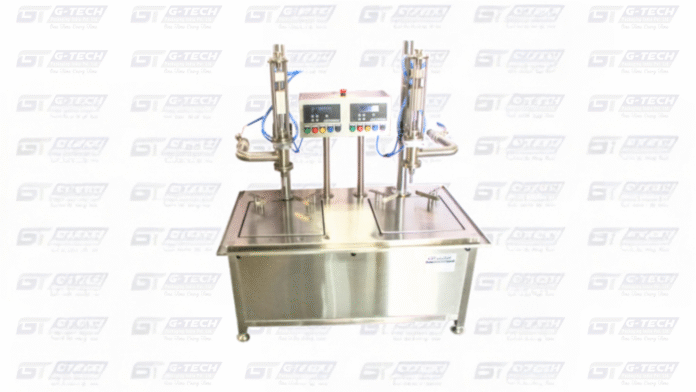
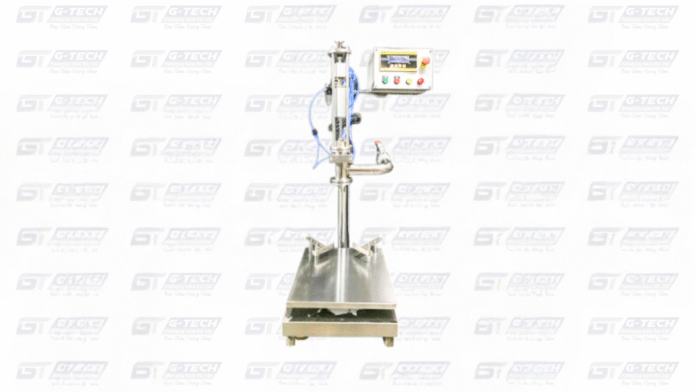
Special featuresFilling range: 50 kg to 210 kgDisplay: 195 x 130 mm (7-segment LED)No barrel, no filling systemFill mode: Auto/manual with gross/net modeAir pressure:...

Liquid Filling Machines

bucket filling + lid machine

Bucket Filling + Lid Machine

bench model filling machine

Bench Model Filling Machine

table top filling machine

Table Top Filling Machine

Related Products

Packaging Machine Installation Checklist: From Site Prep to Sign-Off

A step-by-step packaging machine installation checklist covering FAT, site preparation, commissioning trials, operator training and final sign-off.

Milk Bottle Filling Machine: Hygiene, Types and Line Planning

What to look for in a milk bottle filling machine: food-grade hygiene, gentle filling, machine types and a simple line plan from tank to cold room.

Hair Oil Filling Machine: A Practical Guide for Indian Brands

How to choose a hair oil filling machine: filling methods, anti-drip features, capping, sealing and labeling for coconut, amla and herbal oils.

Toilet Cleaner Filling Machine: Materials, Methods and Safety Guide

How to choose a toilet cleaner filling machine: acid-resistant contact parts, filling methods for liquids and gels, angled-neck bottles and line safety.

ROPP Capping Machine: How It Works, Types and Buying Guide

How a ROPP capping machine works, the main machine types, what to check before buying and how to fix common roll-on pilfer-proof capping faults.

ROPP Capping Machine: How It Works, Types and Buying Guide

How a ROPP capping machine works, the main machine types, what to check before buying and how to fix common roll-on pilfer-proof capping faults.

Phenyl Filling Machine: Automating Floor Cleaner and Household Chemical Packing

How to choose a phenyl filling machine for floor cleaners and household chemicals: materials, foaming, pack sizes, safety and line planning.

Loose or Over-Tight Caps? Fixing Cap Torque Problems on Your Capping Line

Common causes of cap torque problems, from loose caps to stripped threads, and practical fixes to keep your capping line consistent.

Bottle Filling Line Layout: How to Plan Your Factory Floor

A practical guide to planning a bottle filling line layout: straight vs L-shaped lines, material flow, spacing and room to expand.

Shampoo Filling Machine: A Buyer’s Guide for Personal Care Brands

How to choose a shampoo filling machine: handling viscosity and foam, bottle shapes, pump and flip-top caps, and keeping the line clean.