
India’s edible oil industry is growing fast — and so is the pressure on manufacturers to package faster, cleaner, and more accurately. For decades, many small and mid-sized oil brands relied on manual or semi-automatic filling. Today, that approach is quickly becoming a competitive disadvantage.
The Problem With Manual Filling
Manual filling lines struggle with three things: consistency, speed, and hygiene. A few extra grams of oil per bottle, multiplied across thousands of units a day, adds up to real losses. Manual handling also increases the risk of contamination — a serious issue in an industry where consumer trust depends on purity.
What Automated Filling Solves
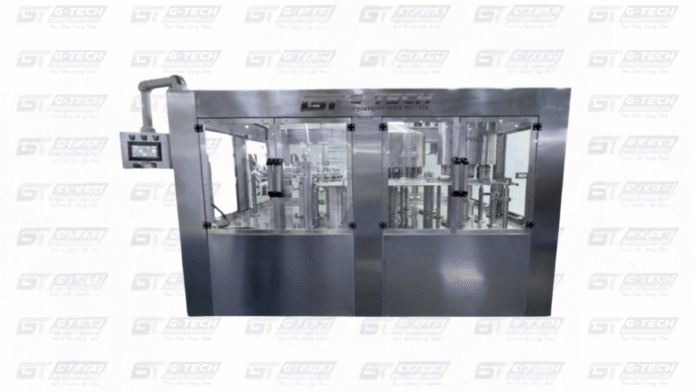
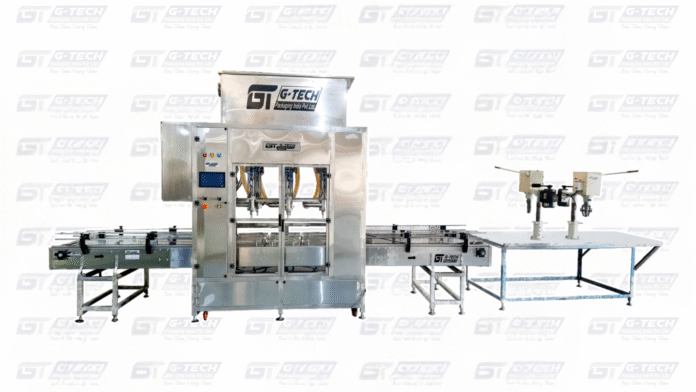
Modern volumetric and gross-weight filling machines are built to address exactly these pain points:
Accuracy — Piston-based and weight-based filling systems can hold fill levels within tight tolerances, cutting product giveaway and waste.
Speed — A single automatic line can outpace several manual stations, helping brands meet seasonal demand spikes without adding headcount.
Hygiene — Enclosed filling heads and stainless-steel contact parts minimize exposure, which matters for both regulatory compliance and shelf life.
Flexibility — Many machines handle a range of bottle sizes (from 200 ml pouches to 15-litre jerry cans) with minimal changeover time, so one line can serve multiple SKUs.
Built for Indian Manufacturing Realities
Not every plant has the space or budget for a fully imported, fully automatic line on day one. That’s why scalable systems — starting from semi-automatic setups and upgrading to PLC-controlled fully automatic lines as volumes grow — have become popular among MSMEs entering the edible oil space. This lets a business invest in automation in phases, matching capital expenditure to actual growth.
The Bottom Line
For edible oil producers competing on price, shelf appeal, and trust, filling accuracy and hygiene aren’t optional extras — they’re table stakes. Automated filling machines pay for themselves through reduced product loss, fewer labor dependencies, and a packaging line that can keep up as the brand scales.
If you’re evaluating a filling line upgrade, the right starting point is usually your current bottle range and daily volume target — those two numbers determine whether a semi-automatic or fully automatic system makes more sense.