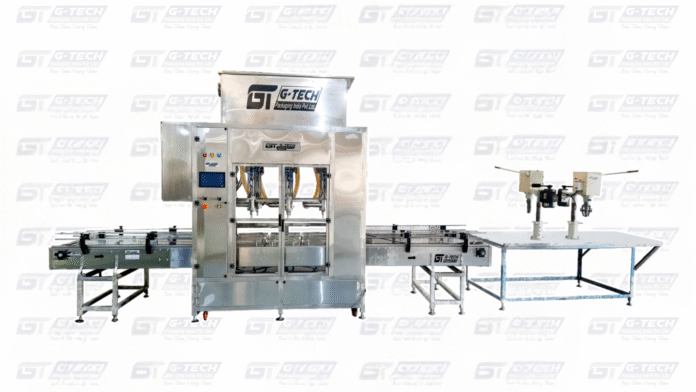

India’s edible oil industry is expanding fast, and with that growth comes pressure on manufacturers to package faster, more hygienically, and more accurately than ever before. But with so many types of filling and capping machines available, choosing the right one can feel overwhelming. Here’s a practical way to think through the decision.
Start With Your Production Volume
The first question isn’t which machine looks the most advanced — it’s how much you actually need to produce. A business filling a few hundred bottles a day has very different needs from one running continuous shifts to meet retail and export demand. Semi-automatic machines suit smaller operations or businesses just transitioning from manual filling, while fully automatic, PLC-based systems are built for high-volume, continuous production with minimal manual intervention.
Match the Machine to Your Product
Edible oils vary in viscosity — groundnut oil, coconut oil, and mustard oil don’t all flow the same way, and neither do lubricants compared to pharmaceutical liquids. Volumetric filling machines are well suited to free-flowing liquids where consistent volume matters most, while weighmetric (weight-based) systems are often preferred when precise weight compliance is critical, such as in regulated food packaging. For thicker or more viscous liquids, piston-based or servo filling systems offer better control and reduce dripping or inconsistent fills.
Don’t Overlook Capping and Sealing
A great filling machine paired with an inadequate capping system still leads to leaks, contamination, and returns. Screw capping machines, press-on cap (CTC) systems, and linear servo cappers each suit different bottle and cap designs, so it’s worth matching your capping method to your container type rather than treating it as an afterthought. Induction sealing adds another layer of tamper-evidence and shelf-life protection that many edible oil brands now consider standard rather than optional.
Think About Container Range and Changeover Time
If your business packages multiple SKUs — say, 100ml pouches alongside 5-litre jerry cans — you’ll want a machine that can handle that range without lengthy manual reconfiguration. Fast changeover capability can be the difference between a smooth production day and hours of lost output every time you switch container sizes.
Factor in Hygiene, Compliance, and After-Sales Support
Edible oil packaging must meet food safety expectations, so look for machines built with food-grade contact parts and hygienic design. Equally important is the support behind the machine — availability of spare parts, technical service, and installation guidance can matter as much as the machine’s specifications once it’s running on your factory floor.
Getting It Right the First Time
Choosing the right filling and capping machine is ultimately about matching equipment to your product, your volumes, and your growth plans — not just picking the most feature-heavy option. G-Tech Packaging India Pvt. Ltd. has spent over a decade helping edible oil manufacturers across India and abroad design packaging lines suited to their exact production needs, from single machines to complete turnkey lines. A conversation with the right technical team before you buy can save significant cost and downtime later.