HomeBlogWhy Automatic Filling Machines Are Essential for Modern Packaging Industries

Why Automatic Filling Machines Are Essential for Modern Packaging Industries

In today’s competitive market, packaging industries need speed, accuracy, hygiene, and consistency in every production process. Whether it is edible oil, lubricant oil, water, dairy products, pharmaceuticals, cosmetics, or chemicals, every business wants a packaging line that saves time, reduces wastage, and improves product quality. This is where automatic filling machines play an important role.

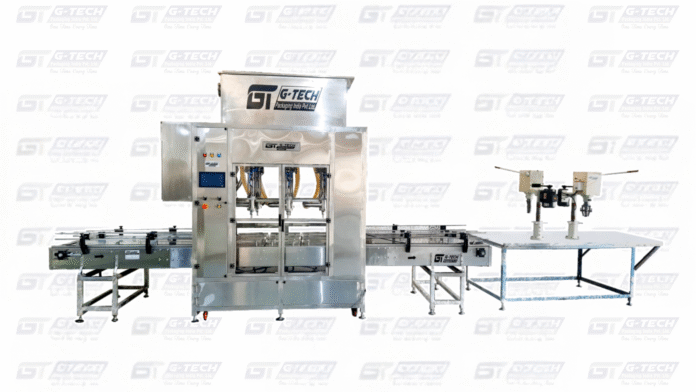
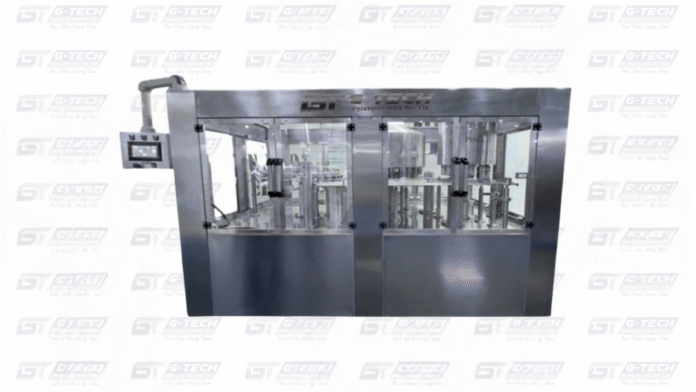
An automatic filling machine is designed to fill liquid, semi-liquid, or viscous products into bottles, jars, tins, cans, drums, or containers with high accuracy. Compared to manual filling, automatic machines provide better control, faster production, and a more professional packaging output. For industries handling large volumes, these machines are not just useful; they are necessary for growth.

One of the biggest advantages of automatic filling machines is filling accuracy. In manual filling, there can be variation in quantity, which may lead to product loss and customer complaints. Automatic filling machines help maintain uniform filling levels in every container. This improves customer trust and also helps businesses maintain standard quality.

Another important benefit is high production speed. A fully automatic filling line can complete filling, capping, sealing, labeling, and inspection in a smooth process. This reduces manpower dependency and increases daily production capacity. For growing brands, this becomes a major advantage because they can complete bulk orders on time.

Automatic filling machines are also very useful for maintaining hygiene and safety. Industries like pharmaceuticals, food, dairy, and edible oil require clean and safe packaging systems. Machines made with stainless steel contact parts and hygienic design help reduce contamination risks. Features like drip-free nozzles, no bottle–no fill systems, and PLC-HMI control make the operation safer and more efficient.

For different industries, different filling technologies are used. For example, edible oil and lubricant oil packaging may use volumetric or weighmetric filling systems. Pharmaceutical and cosmetic industries may prefer servo-based filling for better control. Large containers like jars, tins, buckets, and drums may require loadcell-based filling machines for accurate weight-based filling.

G-Tech Packaging provides customized filling solutions according to product type, container size, production capacity, and industry requirement. The company manufactures filling machines, capping machines, induction sealing machines, labeling machines, conveyors, turn tables, inspection tables, and complete packaging lines. Every machine is designed to deliver smooth performance, easy operation, and long-term reliability.

More Products

AI and Predictive Maintenance: The Next Frontier for Liquid Filling Machines

Unplanned downtime is the silent profit-killer on any packaging line. A single unexpected breakdown on a filling or capping machine can halt production for...

Automatic Bottle Filling, Capping & Labeling Machines: A Complete Buyer’s Guide for Indian Manufacturers

If you manufacture edible oil, lubricants, chemicals, or beverages, your packaging line is one of the biggest levers you have on cost, speed, and...

Liquid Filling Machines

bucket filling + lid machine

Bucket Filling + Lid Machine

rotary monoblock filling and capping machine

Rotary Monoblock Filling and Capping Machine

automatic linear gross/net weight

Automatic Linear Gross/Net Weight Filler Machine

Related Products

Phenyl Filling Machine: Automating Floor Cleaner and Household Chemical Packing

How to choose a phenyl filling machine for floor cleaners and household chemicals: materials, foaming, pack sizes, safety and line planning.

Loose or Over-Tight Caps? Fixing Cap Torque Problems on Your Capping Line

Common causes of cap torque problems, from loose caps to stripped threads, and practical fixes to keep your capping line consistent.

Bottle Filling Line Layout: How to Plan Your Factory Floor

A practical guide to planning a bottle filling line layout: straight vs L-shaped lines, material flow, spacing and room to expand.

Shampoo Filling Machine: A Buyer’s Guide for Personal Care Brands

How to choose a shampoo filling machine: handling viscosity and foam, bottle shapes, pump and flip-top caps, and keeping the line clean.

Batch Coding Machine for Bottles: Where It Fits on Your Filling Line

Where a batch coding machine for bottles fits on a filling line, how to choose a coder type, and how to keep codes clear and readable.

Volumetric vs Weighmetric Oil Filling Machines: Which One Fits Your Production Line?

Volumetric or weighmetric? Compare both oil filling methods on accuracy, speed, pack size and cost to choose the right machine for your edible oil or lubricant line.

How Smart Labelling Makes Your Product Stand Out on the Shelf

Your product has about three seconds to catch a shopper's eye. In that time,...

Why Leak Testing Is the Most Overlooked Step in Liquid Packaging

A bottle can be filled accurately, capped neatly and labelled perfectly, and still fail....

How Servo-Based Filling Machines Improve Accuracy and Cut Product Wastage

In liquid packaging, small errors add up quickly. Overfilling a bottle by just a...

G-Tech Packaging India: Complete Bottle Packaging Solutions from Ahmedabad

Since 2011, G-Tech Packaging India Pvt. Ltd. has helped manufacturers pack their products faster,...