
Lubricant oil is one of the most demanding products to package. It’s viscous, often chemically sensitive, and sold across an enormous range of container sizes — from 100ml sachets to 210-litre drums. A single inaccurate fill or a poorly sealed cap doesn’t just cost margin, it can cost a customer’s trust in your engine oil, hydraulic fluid, or industrial lubricant. That’s why lubricant manufacturers around the world are turning to automated filling, capping, and sealing lines.
At G-Tech Packaging India Pvt. Ltd., we’ve engineered machines specifically to handle the weight, viscosity, and precision demands of the lubricant industry — and here’s what every lubricant brand should know before choosing a packaging line.
Why Lubricant Oil Packaging Is Different
Unlike thin liquids, lubricants present a distinct set of engineering challenges:
- High viscosity: Thick oils flow slowly and unevenly, which can cause dripping, inconsistent fill levels, or long cycle times on poorly designed equipment.
- Wide container range: Lubricant brands package everything from small retail bottles to industrial drums, often on the same production floor.
- Weight-based accuracy needs: Because lubricants are frequently sold by weight rather than volume, filling accuracy directly affects compliance and cost control.
- Leak-proof, tamper-evident sealing: Lubricants are transported over long distances and rough handling — a leaking container is a safety hazard and a wasted product.
- Brand and regulatory labeling: Lubricant packaging often carries safety information, batch codes, and certification marks that must be applied precisely and legibly.
The Cost of Getting It Wrong
Manual or outdated filling processes in a lubricant plant tend to produce inconsistent fill weights, slower line speeds, higher spillage and product loss, and increased strain on labor for heavy container handling. Over time, these inefficiencies add up — not just in wasted product, but in customer complaints, compliance risk, and lost production capacity during peak demand.
Building a Precision Lubricant Packaging Line
A modern, automated lubricant packaging setup typically includes:
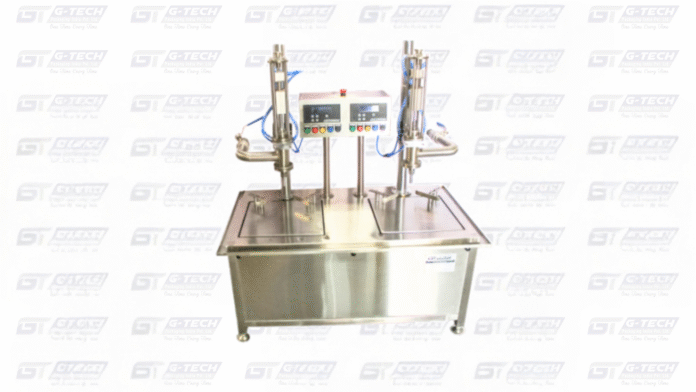
Weighmetric Oil Filling Machines — Since lubricants are often priced and regulated by weight, weighmetric filling delivers the accuracy manufacturers need to avoid overfill losses and underfill compliance issues.
Automatic Servo Filling Machines — Servo-controlled filling heads adjust flow rate dynamically, handling viscous lubricants smoothly without dripping, foaming, or splashing — even across multiple container sizes.
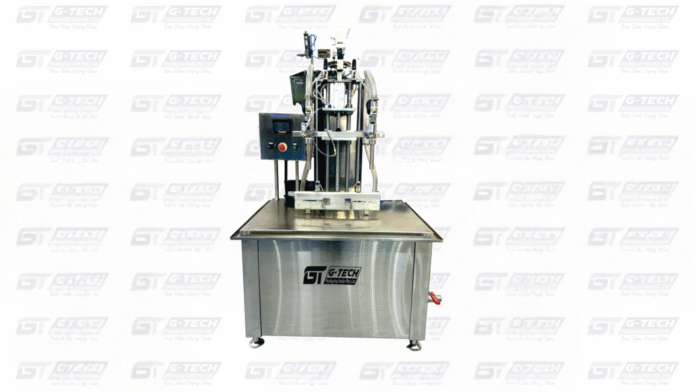
Rotary Monoblock Filling & Sealing Machines — For high-volume lubricant producers, integrating filling and capping into a single rotary system dramatically increases throughput while reducing product handling.
Automatic Screw Capping and Multi-Head Rotary Capping Machines — Precise torque control ensures every cap is sealed to specification, preventing the leaks that plague poorly capped lubricant containers.
Induction Sealing Machines — An induction seal beneath the cap adds a tamper-evident, leak-proof barrier — critical for products that travel long distances before reaching the end user.
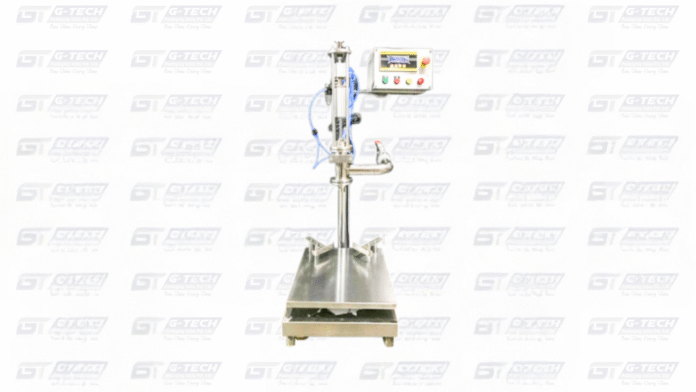
Drum Filling Machines — For industrial and bulk lubricant packaging, dedicated drum filling systems handle large-format containers with the same accuracy as smaller retail formats.
Labeling and Box Sealing Machines — Automated labeling ensures batch codes, safety data, and branding are applied consistently, while box sealing machines protect cartons through the supply chain.
What Lubricant Manufacturers Should Evaluate
Before investing in a new packaging line, consider:
- Viscosity range of your products — Can the filling system handle your thickest and thinnest formulations without recalibration downtime?
- Container variety — From small bottles to drums, does the line adapt without excessive changeover time?
- Fill method — Weighmetric vs. volumetric filling should match how your product is measured and regulated.
- Throughput requirements — High-demand lubricant brands benefit from rotary monoblock systems; smaller operations may do well with semi-automatic or single-head machines.
- Regulatory compliance — Ensure your labeling and sealing equipment supports the batch tracking and safety information your market requires.
The G-Tech Advantage
G-Tech Packaging has spent over a decade building packaging automation trusted by lubricant manufacturers across India and 19+ export markets, including Saudi Arabia, the UAE, Nigeria, and beyond. Our ISO-certified, PLC-based filling and capping systems are engineered to handle the specific demands of viscous, high-value lubricant products — delivering consistent performance with minimal downtime, whether you’re filling 100ml bottles or industrial drums.
Ready to bring precision and speed to your lubricant packaging line? Connect with G-Tech Packaging for a solution tailored to your product range and production targets.
📞 +91 95580 19425 | 📧 sales@gtechpackaging.in | 🌐 gtechpackaging.in