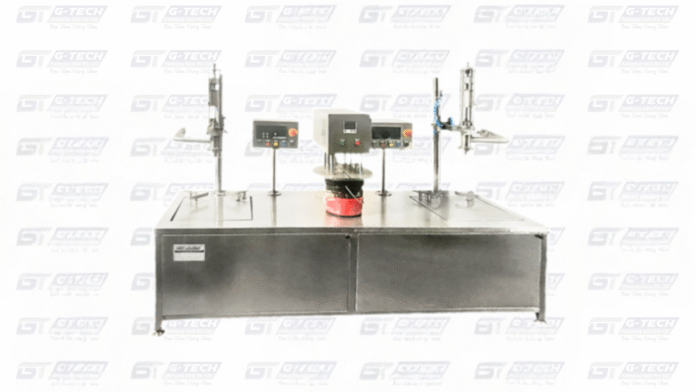
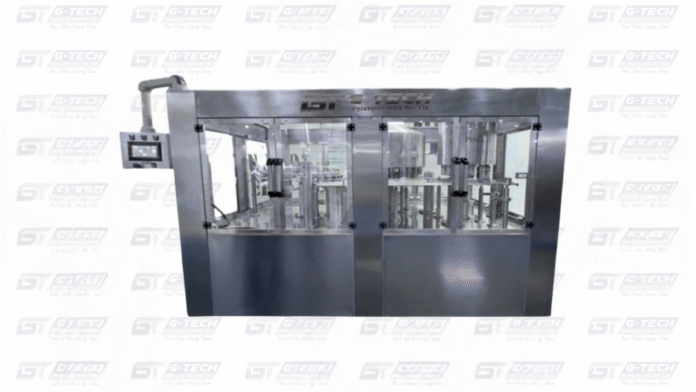
In modern manufacturing, accuracy is not just a technical requirement—it is a business necessity. Whether it’s edible oils, pharmaceuticals, lubricants, chemicals, or cosmetics, even a small variation in filling volume can lead to product loss, compliance issues, and reduced customer trust. This is why precision filling machines have become a critical part of today’s production lines. Companies like GTECH are leading this shift by delivering high-accuracy filling solutions designed for consistent, scalable manufacturing.
Accuracy Directly Impacts Profitability
Overfilling leads to material wastage, while underfilling can cause regulatory problems and customer complaints. In high-volume production, even a few milliliters of error per bottle can result in significant financial loss over time. Precision filling machines ensure exact volume control, helping manufacturers optimize raw material usage and protect margins.
Consistency Builds Brand Trust
Customers expect uniformity. When every bottle or container looks and feels the same, it strengthens brand credibility. Precision filling machines deliver consistent output across thousands of units, ensuring that product weight, volume, and appearance remain uniform. This consistency is especially important for brands competing in regulated or export markets.
Advanced Technology Enables High Precision
Modern filling machines use PLC controls, servo motors, and advanced sensors to maintain tight accuracy levels. GTECH integrates these technologies to ensure stable performance, even with changing viscosities or container sizes. Real-time monitoring and easy parameter adjustments allow manufacturers to maintain precision without slowing down production.
Reduced Rejections and Downtime
Inaccurate filling often leads to rejected batches, rework, and machine stoppages. Precision filling systems minimize these issues by maintaining reliable performance over long production runs. Fewer errors mean smoother operations, higher output, and reduced stress on production teams.
Essential for Multi-Industry Manufacturing
Different industries demand different accuracy standards. Pharmaceuticals require strict compliance, edible products demand hygiene and uniformity, while lubricants need controlled filling to prevent leakage. Precision filling machines are designed to meet these varied requirements without compromising speed or efficiency.
Supporting Automation and Scalability
Accuracy is the backbone of automation. Fully automated packaging lines depend on precise filling to synchronize capping, sealing, and labeling processes. Precision filling machines enable manufacturers to scale production confidently while maintaining quality at every level.
Conclusion: Precision Is a Competitive Advantage
In today’s competitive manufacturing environment, accuracy separates efficient producers from average ones. Precision filling machines reduce waste, improve consistency, and support long-term growth. By investing in accurate filling technology, manufacturers gain not only operational efficiency but also a strong competitive edge in the market.