HomeBlogWhat If One Machine Could Fill, Seal & Cap Thousands of Lubricant...

What If One Machine Could Fill, Seal & Cap Thousands of Lubricant Bottles in an Hour—Without a Single Drop Wasted?

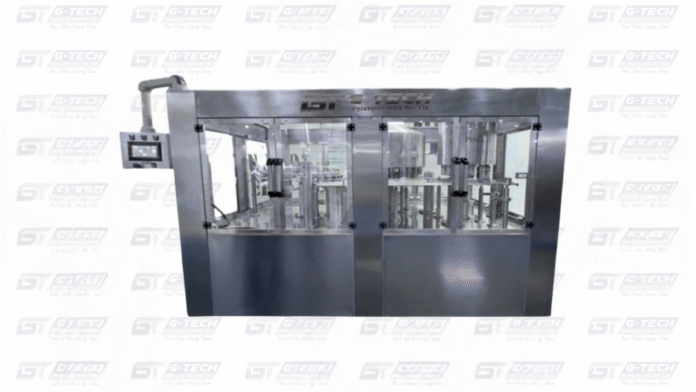
What if one machine could handle your entire packaging process—filling, sealing, and capping—at incredible speed without compromising accuracy? This is no longer a futuristic idea. Modern lubricant oil packaging lines are designed to deliver exactly that. They combine advanced automation with precision engineering to transform the way industries handle production.

🔹 Speed That Redefines Productivity

In today’s competitive market, speed is everything. High-performance packaging lines are capable of processing thousands of bottles per hour, ensuring businesses can meet rising demand without delays. With synchronized conveyors and multi-head systems, every stage of the process flows seamlessly, reducing bottlenecks and increasing output like never before.

🔹 Precision That Eliminates Waste

Every drop of lubricant oil has value. Advanced servo-driven filling systems ensure accurate volume control in each container, eliminating overfilling and underfilling. This precision not only reduces product loss but also maintains consistency across batches. The result is better cost efficiency and higher customer trust.

🔹 All-in-One Efficiency

Gone are the days of managing separate machines for different tasks. Today’s integrated packaging systems combine filling, capping, and sealing into one streamlined process. This reduces manual intervention, saves space, and simplifies operations. Businesses can now achieve more with less—less time, less effort, and fewer errors.

🔹 Hygienic, Safe & Reliable Operations

Lubricant packaging requires a clean and controlled environment. Modern machines are built with stainless steel structures, leak-proof nozzles, and enclosed systems to maintain hygiene and prevent contamination. Automation also enhances safety by minimizing human involvement in critical processes.

🔹 Smart Technology for Smarter Control

With user-friendly control panels and intelligent monitoring systems, operators can easily manage the entire line. Real-time data tracking, quick adjustments, and minimal downtime make these machines highly efficient and easy to operate. This level of control ensures smooth and uninterrupted production.

🔹 Conclusion

The idea of one machine handling everything—quickly, accurately, and without waste—is no longer just a possibility; it’s a reality. Lubricant oil packaging lines are driving a new era of industrial efficiency, helping businesses scale faster and operate smarter. Investing in this technology means staying ahead in a market where speed and precision define success.
More Products

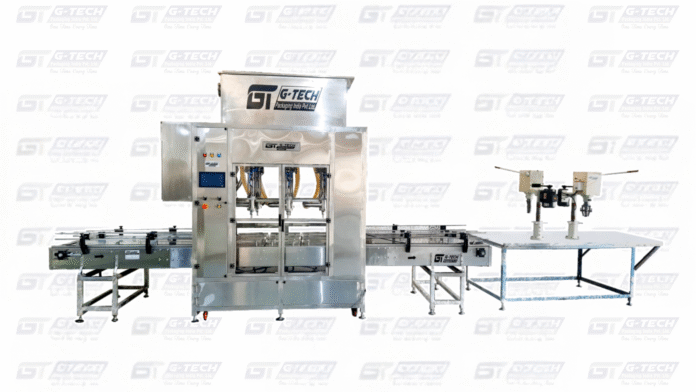
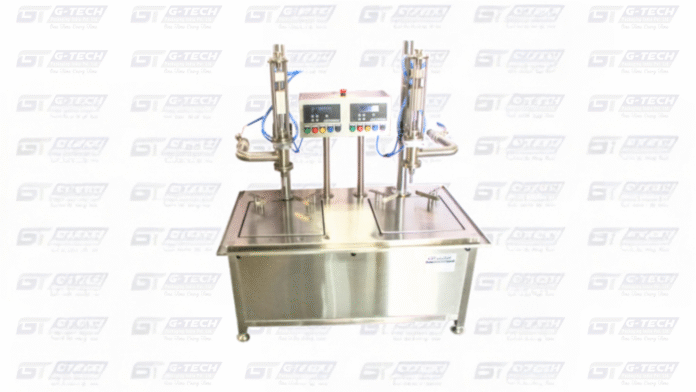
Table Top Filling Machine

Special featuresFill accuracy: Better than ± 0.1% FSRDisplay: 195 x 130 mm (7-segment LED)Load sensor: No container, no filling systemFill mode: Auto/manual with gross...

How Servo-Based Filling Machines Improve Accuracy and Cut Product Wastage

In liquid packaging, small errors add up quickly. Overfilling a bottle by just a few millilitres may look harmless, but across thousands of bottles...

Liquid Filling Machines

automatic linear gross/net weight

Automatic Linear Gross/Net Weight Filler Machine

table top filling machine

Table Top Filling Machine

rotary monoblock filling and capping machine

Rotary Monoblock Filling and Capping Machine

Related Products

Packaging Machine Installation Checklist: From Site Prep to Sign-Off

A step-by-step packaging machine installation checklist covering FAT, site preparation, commissioning trials, operator training and final sign-off.

Milk Bottle Filling Machine: Hygiene, Types and Line Planning

What to look for in a milk bottle filling machine: food-grade hygiene, gentle filling, machine types and a simple line plan from tank to cold room.

Hair Oil Filling Machine: A Practical Guide for Indian Brands

How to choose a hair oil filling machine: filling methods, anti-drip features, capping, sealing and labeling for coconut, amla and herbal oils.

Toilet Cleaner Filling Machine: Materials, Methods and Safety Guide

How to choose a toilet cleaner filling machine: acid-resistant contact parts, filling methods for liquids and gels, angled-neck bottles and line safety.

ROPP Capping Machine: How It Works, Types and Buying Guide

How a ROPP capping machine works, the main machine types, what to check before buying and how to fix common roll-on pilfer-proof capping faults.

ROPP Capping Machine: How It Works, Types and Buying Guide

How a ROPP capping machine works, the main machine types, what to check before buying and how to fix common roll-on pilfer-proof capping faults.

Phenyl Filling Machine: Automating Floor Cleaner and Household Chemical Packing

How to choose a phenyl filling machine for floor cleaners and household chemicals: materials, foaming, pack sizes, safety and line planning.

Loose or Over-Tight Caps? Fixing Cap Torque Problems on Your Capping Line

Common causes of cap torque problems, from loose caps to stripped threads, and practical fixes to keep your capping line consistent.

Bottle Filling Line Layout: How to Plan Your Factory Floor

A practical guide to planning a bottle filling line layout: straight vs L-shaped lines, material flow, spacing and room to expand.

Shampoo Filling Machine: A Buyer’s Guide for Personal Care Brands

How to choose a shampoo filling machine: handling viscosity and foam, bottle shapes, pump and flip-top caps, and keeping the line clean.