

Handling high-viscosity liquids like automotive lubricants, industrial gear oils, and engine additives requires robust engineering. Unlike low-viscosity fluids like water or juice, lubricants can easily vary in density based on room temperature, leading to inconsistent filling volumes if handled by standard packaging machinery. A dedicated lubricant oil packaging line solves this issue by deploying smart, heavy-duty automation.At G-Tech Packaging, our automated lines leverage a combination of multi-head servo piston fillers and sophisticated PLC (Programmable Logic Controller) systems. This advanced control system allows operators to adjust filling parameters instantly at the touch of a screen, adjusting for different liquid densities and container volumes—ranging from small 200ml bottles to larger multi-liter jugs.Additionally, lubricant packaging lines must operate continuously with minimal downtime. Incorporating integrated linear capping and automated labeling into a single unified line ensures that once the oil is cleanly poured, the bottles are sealed immediately to avoid exposure to external contaminants. This level of synchronization maximizes line efficiency and stabilizes your daily output.
Milk Bottle Filling Machine: Hygiene, Types and Line Planning
What to look for in a milk bottle filling machine: food-grade hygiene, gentle filling, machine types and a simple line plan from tank to cold room.
More Products
Celebrating Engineers’ Day at G-TECH: Honoring the Minds that Power Our Innovation
At G-TECH Packaging, innovation, precision, and progress are not just values—we live them every day. Behind every advanced packaging solution we deliver, there are...
How Automatic Bottle Labeling Machines Improve Product Branding
In today's competitive market, packaging plays a vital role in attracting customers. Labels not only provide product details but also represent the brand identity....
Liquid Filling Machines
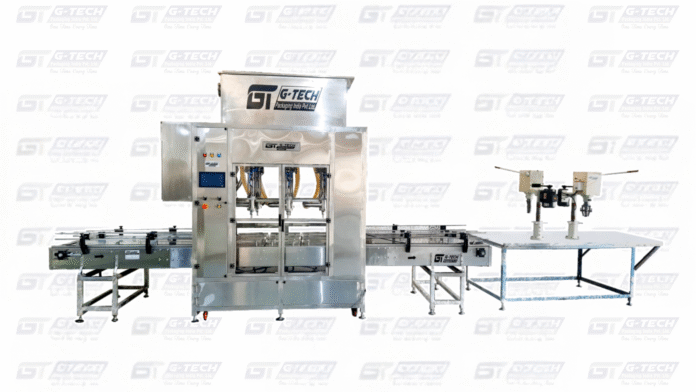
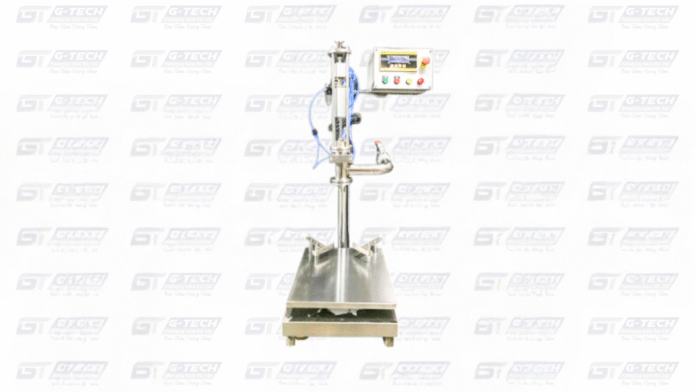
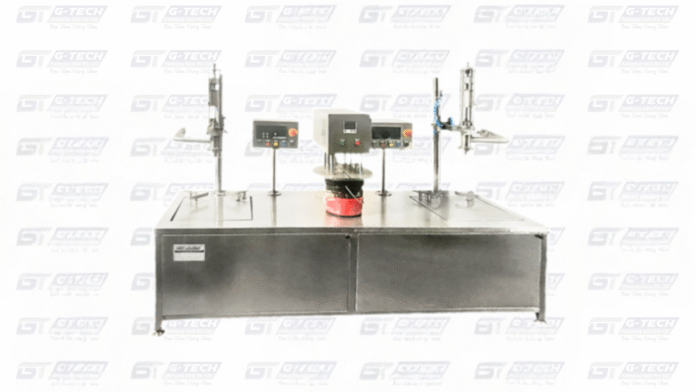
Related Products
Packaging Machine Installation Checklist: From Site Prep to Sign-Off
A step-by-step packaging machine installation checklist covering FAT, site preparation, commissioning trials, operator training and final sign-off.
Milk Bottle Filling Machine: Hygiene, Types and Line Planning
What to look for in a milk bottle filling machine: food-grade hygiene, gentle filling, machine types and a simple line plan from tank to cold room.
Hair Oil Filling Machine: A Practical Guide for Indian Brands
How to choose a hair oil filling machine: filling methods, anti-drip features, capping, sealing and labeling for coconut, amla and herbal oils.
Toilet Cleaner Filling Machine: Materials, Methods and Safety Guide
How to choose a toilet cleaner filling machine: acid-resistant contact parts, filling methods for liquids and gels, angled-neck bottles and line safety.
ROPP Capping Machine: How It Works, Types and Buying Guide
How a ROPP capping machine works, the main machine types, what to check before buying and how to fix common roll-on pilfer-proof capping faults.
ROPP Capping Machine: How It Works, Types and Buying Guide
How a ROPP capping machine works, the main machine types, what to check before buying and how to fix common roll-on pilfer-proof capping faults.
Phenyl Filling Machine: Automating Floor Cleaner and Household Chemical Packing
How to choose a phenyl filling machine for floor cleaners and household chemicals: materials, foaming, pack sizes, safety and line planning.
Loose or Over-Tight Caps? Fixing Cap Torque Problems on Your Capping Line
Common causes of cap torque problems, from loose caps to stripped threads, and practical fixes to keep your capping line consistent.
Bottle Filling Line Layout: How to Plan Your Factory Floor
A practical guide to planning a bottle filling line layout: straight vs L-shaped lines, material flow, spacing and room to expand.
Shampoo Filling Machine: A Buyer’s Guide for Personal Care Brands
How to choose a shampoo filling machine: handling viscosity and foam, bottle shapes, pump and flip-top caps, and keeping the line clean.

