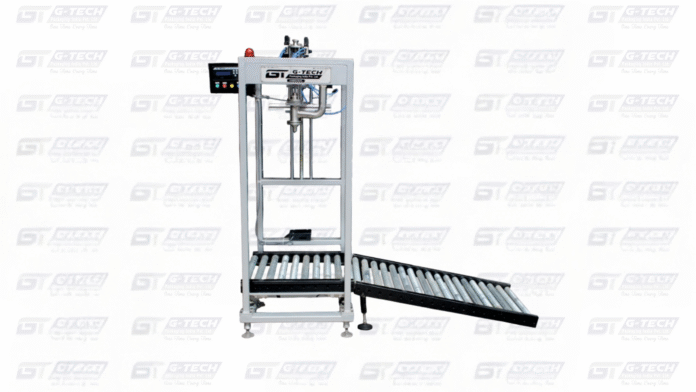
In today’s fast-moving manufacturing world, production speed plays a crucial role in determining a company’s success. While many businesses focus on product quality and marketing strategies, they often overlook one key factor that directly affects their growth—packaging speed. The ability to fill, cap, and label products quickly and efficiently can significantly impact how well a company performs in the market.
Packaging is the final stage before a product reaches customers. If this stage is slow or inefficient, it can delay the entire supply chain. Modern industries such as food and beverages, edible oil, pharmaceuticals, cosmetics, and chemicals rely heavily on high-speed packaging machines to keep up with increasing consumer demand. Faster packaging lines ensure that products are ready for distribution without delays.
One of the biggest advantages of high-speed packaging systems is increased production capacity. Automated filling, capping, and labeling machines allow manufacturers to produce more units in less time. This not only improves productivity but also reduces the risk of bottlenecks in the production process. When companies can produce and package products faster, they can meet large orders and expand their market reach.
Another important factor is accuracy and consistency. Modern packaging machines are designed to maintain precise filling levels and secure capping, which helps maintain product quality. Manual packaging processes often lead to errors, inconsistent filling, or product wastage. Automated systems reduce these risks while maintaining uniform quality across every bottle or container.
High-speed packaging also helps companies reduce labor costs and improve operational efficiency. Instead of relying on large teams for manual filling and packaging, businesses can use automated production lines that require minimal human intervention. This allows workers to focus on quality control and other important operational tasks.
In competitive markets, speed often determines whether a company can keep up with customer demand. Retailers and distributors expect reliable and timely supply. If a manufacturer cannot deliver products quickly enough, they risk losing valuable business opportunities. Faster packaging lines help companies stay responsive to market needs and maintain strong relationships with distributors.
Investing in advanced packaging machinery is not just about improving speed—it is about building a scalable production system that supports long-term growth. As demand increases, companies with efficient packaging lines can easily increase output without compromising quality.
Ultimately, packaging speed is more than just an operational advantage—it is a strategic factor that can determine whether a company leads the market or struggles to keep up. Businesses that invest in faster and smarter packaging solutions position themselves for sustainable success in an increasingly competitive industry.