
Cosmetics and personal care products are some of the trickiest liquids to package well. Shampoos, lotions, serums, hand sanitizers, and hair oils don’t behave like water or edible oil — they vary wildly in viscosity, foam easily, and are often sold in premium packaging where even a small drip or air bubble is visible enough to hurt the unboxing experience. For brands in this space, packaging isn’t just a production step; it’s part of the product experience itself.
The Viscosity Problem
Unlike thin liquids, many personal care formulations range from moderately thick lotions to highly viscous gels and creams. A filling machine that works perfectly for edible oil often struggles with these products — either underfilling due to slow flow, overfilling due to inconsistent pressure, or leaving foam and air pockets that make the fill level look uneven on the shelf. Personal care manufacturers need filling systems specifically calibrated for variable viscosity, with adjustable speed and pressure controls that can be fine-tuned for each formulation without constant manual intervention.
Presentation Is the Product
In categories like skincare and premium haircare, the packaging line has to protect the presentation as much as the product. Customers judge quality partly by whether a bottle looks clean, whether the cap sits flush, and whether the label is centered and smudge-free. That means capping and labeling machines used for cosmetics need tighter tolerances than what’s acceptable in bulk commodity packaging — a slightly crooked label that might go unnoticed on a lubricant drum is immediately obvious on a 50ml serum bottle.
Hygiene and Formulation Sensitivity
Many personal care products are sensitive to contamination and oxidation. Enclosed, automated filling reduces the number of times a product is exposed to air or handled manually between formulation and sealing, which matters both for shelf life and for meeting the quality expectations that come with clean-label and dermatologically-tested claims. This is especially relevant for sanitizers, essential oil blends, and any product where even minor contamination can affect both safety and brand reputation.
Handling Small Batches and Frequent SKU Changes
Cosmetics brands, especially D2C and mid-sized manufacturers, tend to run smaller batches across a wider variety of SKUs than commodity liquid producers. A filling and capping line built for this segment needs to support quick changeovers between bottle shapes, cap types, and fill volumes without long downtime — something that’s far less critical for a factory running one product at massive scale.
Getting the Balance Right
The brands that succeed in personal care packaging are the ones that treat their filling line as a quality control checkpoint, not just a speed checkpoint. Investing in equipment that’s actually designed for variable-viscosity, presentation-sensitive products — rather than adapting general-purpose filling machines — tends to pay off in fewer rejected batches, less product waste, and a shelf presence that matches the premium positioning most personal care brands are going for.
The Bottom Line
Cosmetics and personal care packaging demands a different kind of precision than bulk liquid industries. Getting fill accuracy, capping alignment, and hygiene right isn’t optional — it’s often the difference between a product that feels premium and one that quietly loses customer trust at the shelf.
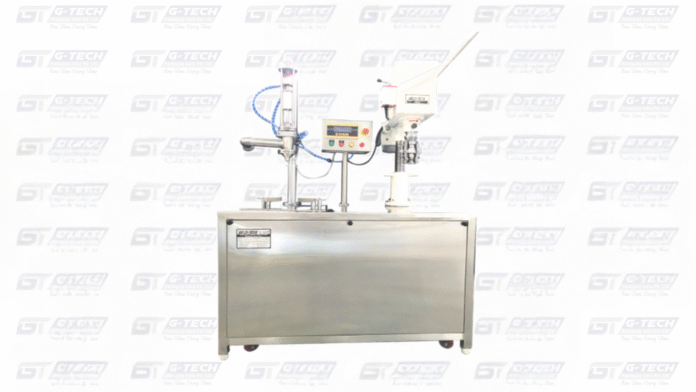
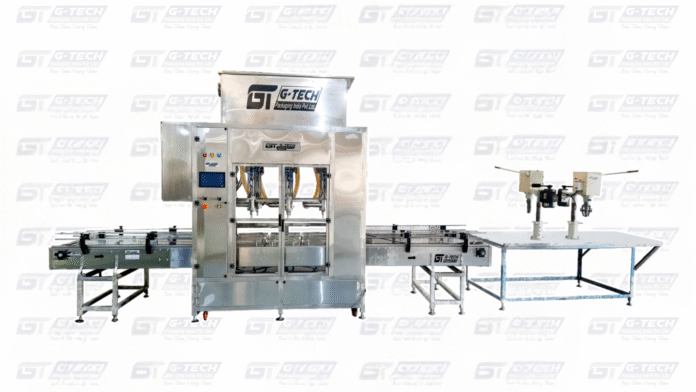
G-Tech Packaging India Pvt. Ltd. builds filling, capping, and labeling machines tailored to viscosity-sensitive liquids across personal care, pharma, and other specialty segments. Reach out at sales@gtechpackaging.in to discuss a solution for your product line.