

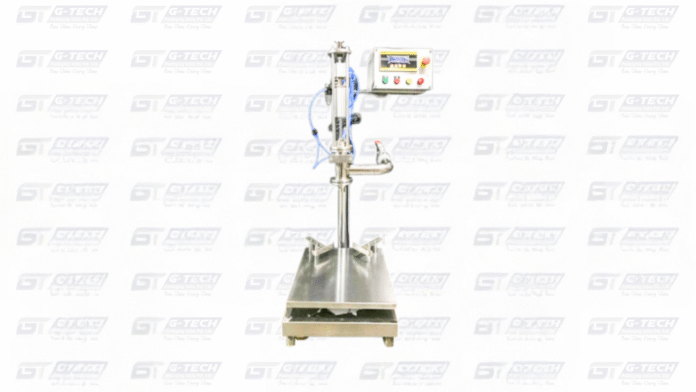
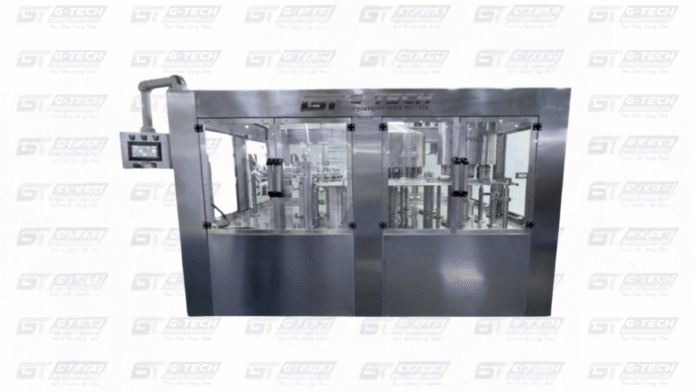
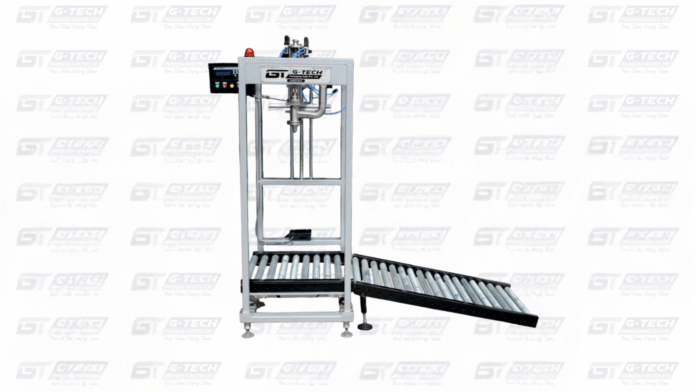
Packaging agro-chemicals, toxic pesticides, and heavy fertilizers is fundamentally different from packaging water or cooking oil. These are highly reactive, often hazardous liquids that pose a direct risk to human health and the environment if mishandled. Utilizing a specialized pesticide filling machine is not just an operational upgrade; it is a critical safety requirement.Standard machinery can quickly degrade when exposed to harsh agricultural chemicals. G-Tech’s pesticide packaging lines are engineered using highly corrosion-resistant materials (like specialized plastics, Teflon-coated components, and high-grade stainless steel) to withstand aggressive formulations. This prevents machine breakdown and ensures a long operational lifespan despite the tough environment.More importantly, these machines are designed to eliminate human exposure. Features like anti-drip nozzles, fume-extraction compatibility, and enclosed filling zones ensure that toxic liquids never splash onto the factory floor or vaporize into the breathing zones of your workers. By automating your pesticide line, you guarantee exact dosing, protect your workforce, and remain compliant with strict industrial safety regulations.
G-Tech Packaging India: Complete Bottle Packaging Solutions from Ahmedabad
Since 2011, G-Tech Packaging India Pvt. Ltd. has helped manufacturers pack their products faster, cleaner and more accurately. From...
More Products
Elevating Lubricant Packaging: Why Modern Brands Need Smart Filling Automation from G-Tech Packaging
Discover how G-Tech Packaging's smart filling automation revolutionizes lubricant packaging, boosting efficiency and product quality for modern brands.
Beyond Automation: Intelligent Oil Packaging Factories Overview: Oil Packaging’s Future Is Here
The edible oil industry is quickly switching from conventional automation to smart factory solutions in today's cutthroat packaging environment. With intelligent, networked machinery that...
Liquid Filling Machines
Related Products
How Servo-Based Filling Machines Improve Accuracy and Cut Product Wastage
In liquid packaging, small errors add up quickly. Overfilling a bottle by just a...
G-Tech Packaging India: Complete Bottle Packaging Solutions from Ahmedabad
Since 2011, G-Tech Packaging India Pvt. Ltd. has helped manufacturers pack their products faster,...
Why Induction Cap Sealing Is Essential for Leak-Proof Packaging
Few things hurt a brand faster than a leaking bottle. Oil on a shop...
Semi-Automatic vs Fully Automatic Filling Machines: Which Is Right for Your Oil Business?
If you pack edible oil, lubricants or chemicals, the way you fill bottles and...
FSSAI Labelling Amendment 2026: What It Means for Your Packaging and Labeling Line
In 2026, food labelling in India has moved from a back-office formality to a...
Festive Season Rush: Is Your Oil Packaging Line Ready for Diwali 2026?
Every year, the weeks before Diwali bring the biggest demand spike for edible oil,...
How Automatic Packaging Machines Are Transforming the Edible Oil and Lubricant Industries in India
India's edible oil and lubricant industries are undergoing a quiet but significant transformation on...
Automatic Bottle Filling, Capping & Labeling Machines: A Complete Buyer’s Guide for Indian Manufacturers
If you manufacture edible oil, lubricants, chemicals, or beverages, your packaging line is one...
A Practical Buyer’s Guide: Choosing the Right Filling, Capping, and Labeling Machine
Buying a bottle packaging line is a long-term decision. Unlike consumables or raw materials,...
Why Indian SMEs Are Switching to Automatic Filling Machines —What It Means for Your Bottling Line
For years, semi-automatic filling and capping lines were the default choice for small and...