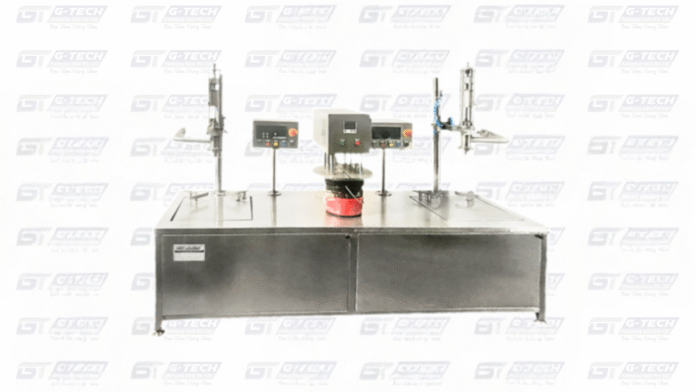
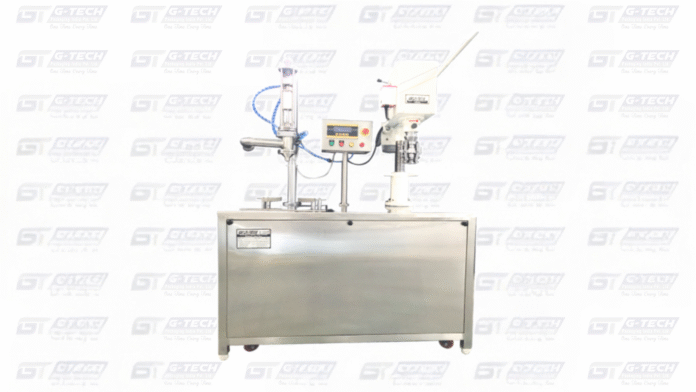
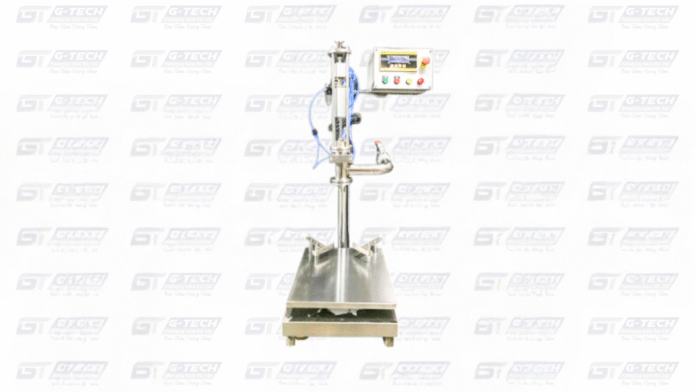
More Indian dairies are moving from pouches to bottles for premium milk, flavoured milk, buttermilk and lassi. Bottles look better on the shelf, are easier to pour and suit both doorstep delivery and modern retail. But bottling milk is not the same as bottling water or oil. Milk is a perishable food, so hygiene, temperature and speed matter at every step.
This guide explains what to look for in a milk bottle filling machine and how to plan a bottling line that protects product quality.
Why Milk Bottling Needs Extra Care
- Perishable product: milk must stay chilled from the tank to the cold room, so the line should not keep bottles waiting.
- Hygiene: any residue left in pipes or nozzles can spoil the next batch.
- Foaming: milk foams easily if it falls freely into the bottle, which affects fill level and appearance.
- Different products: plain milk, flavoured milk and buttermilk have different viscosities and may contain added ingredients.
- Food safety rules: dairies must follow FSSAI requirements for hygiene and labeling, so the packaging line must support clean operation.
Key Features of a Good Milk Bottle Filling Machine
- Food-grade stainless steel contact parts: smooth, polished surfaces that do not trap residue.
- Sanitary fittings: pipes and valves designed to be taken apart or cleaned easily, with no dead corners.
- Cleaning arrangement: ask whether the machine supports cleaning-in-place (CIP) or quick dismantling for manual cleaning.
- Gentle filling: bottom-up or under-level filling to reduce foam.
- Accurate dosing: consistent volume so every bottle meets the declared quantity.
- Protected filling zone: guards or covers that keep dust and insects away from open bottles.
- Quick capping: bottles should be closed immediately after filling.
Choosing a Machine Type
| Line size | Typical setup | Points to consider | ||
|---|---|---|---|---|
| Small dairy or milk startup | Semi-automatic or compact automatic filler with separate capper | Low investment | more manual handling | keep the room cold and clean |
| Growing regional dairy | Automatic inline filling and capping machines | Good balance of output and flexibility for several bottle sizes | ||
| Large plant | Rotary monoblock filling and capping | Fewer transfers, less waiting time between filling and capping, higher output |
A rotary monoblock filling and sealing machine combines filling and closing in one compact unit, which shortens the time an open bottle spends on the line. Pair it with the right capping machine for your closures.
Planning the Milk Bottling Line
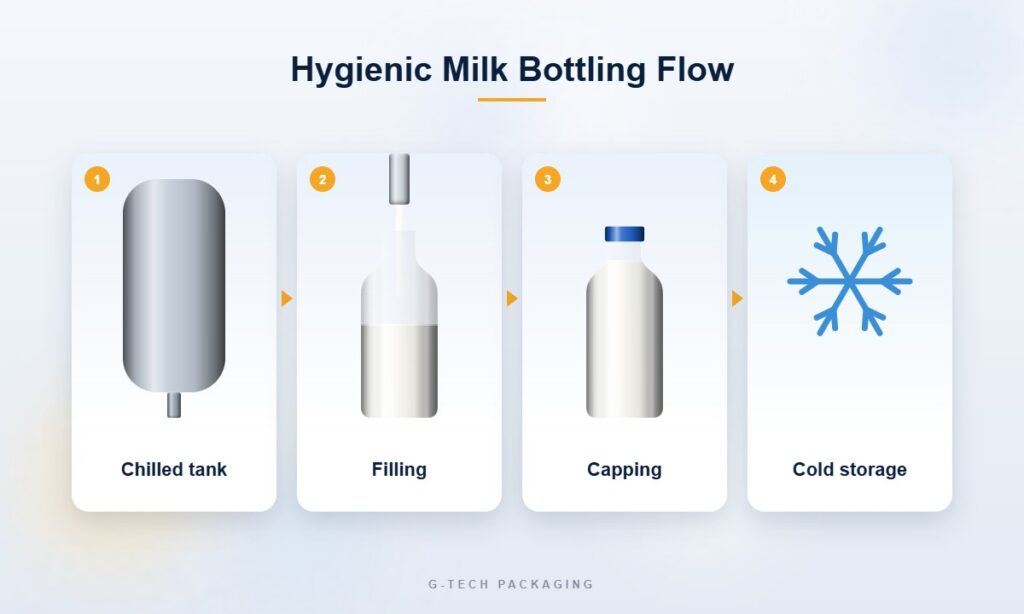
Think of the line as a short, clean path from chilled tank to cold room:
- Chilled storage tank feeding the filler through sanitary piping.
- Bottle washing or rinsing, especially if you use returnable glass bottles.
- Filling and capping, placed close together.
- Coding for batch number, date and price as required on labels.
- Crating or cartoning and immediate transfer to the cold room.
Keep conveyors short, avoid areas where filled bottles pile up in warm air, and separate the clean filling room from crate washing and dispatch areas.
Hygiene Routine on the Shop Floor
- Clean and sanitise all contact parts at the end of every production run as per your dairy’s written procedure.
- Check gaskets and seals regularly, as worn seals can hold residue.
- Make operators follow hand washing, hairnets and clean uniforms before entering the filling room.
- Record cleaning times and chemicals used, so you can trace any quality issue.
- Run a quick visual and smell check of the first bottles after each start-up.
Dairies often add other products such as ghee and curd over time. Our post on ghee packaging line automation covers that product. You can also see our solutions for the dairy industry and wider food and beverage sector.
Questions to Ask Before You Buy
A milk bottling machine is a long-term investment, so it is worth asking clear questions at the start. These help you compare offers fairly and avoid surprises after installation.
- Which grade of stainless steel is used for all product contact parts?
- How is the machine cleaned, how long does cleaning take, and which parts must be removed?
- What output can it reach with my exact bottle size, and how long does a size changeover take?
- Which closure types can the capper handle, such as screw caps or press-on caps?
- What spare parts should I keep in stock, and how quickly can a technician reach my plant?
- Can I see a trial with my own bottles before dispatch?
Write the answers down and compare them side by side. The cheapest quote is rarely the lowest cost once cleaning time, spares and downtime are included. Our guide on calculating the real ROI of a filling machine shows how to weigh these factors.
Frequently Asked Questions
Which bottles can a milk filling machine handle?
Most machines can be set up for glass, PET or HDPE bottles in a range of sizes. Share samples of every bottle and cap you plan to use so the supplier can provide the right change parts.
How do I reduce foam when filling milk?
Use bottom-up or under-level filling so milk does not fall freely, keep the filling speed smooth, and make sure milk is well chilled, since warm milk tends to foam more.
Can the same machine fill flavoured milk and buttermilk?
Usually yes, with proper cleaning between products. Thicker products may need adjusted settings or nozzle sizes, so discuss all your products with the supplier.
Talk to G-Tech Packaging About Your Milk Bottling Line
G-Tech Packaging India Pvt. Ltd., Ahmedabad, designs and builds automatic liquid filling, capping, induction sealing, labeling, leak testing, shrink tunnel and box sealing machines for Indian manufacturers. Share your product, container samples and target output with our team, and we will suggest a practical machine or full line for your plant.
Contact us here or write to sales@gtechpackaging.in to discuss your requirement.