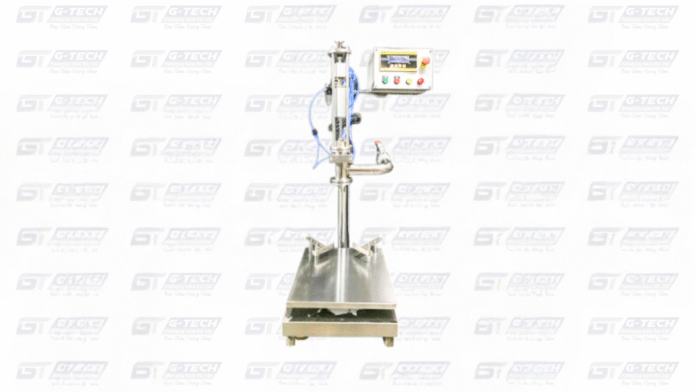
Tin filling is being revolutionized by the Automatic Liner Gross Net Weight Machine, which offers unparalleled efficiency and precision. It is made for industries such as paints, lubricants, and edible oil. It makes use of load cell technology and sophisticated PLC control to guarantee precise weight-based filling for each tin. In order to reduce waste and preserve consistency, the system automatically stops at the predetermined weight. Its linear conveyor design ensures dependability and hygiene while enabling continuous, high-speed operation. The gross net weight machine from G-TECH Packaging is the perfect answer for contemporary industrial packaging requirements because it is made of stainless steel, has intelligent automation, and produces accurate results along with long-lasting performance and less reliance on labor.
Tin Filling Technology’s Development
Automation is being quickly embraced by the packaging sector in order to satisfy the increasing demand for precision and efficiency. The Automatic Liner Gross Net Weight Machine is one of the most revolutionary of the cutting-edge solutions. This machine, which is widely used for tin filling in the edible oil, paint, chemical, and lubricant industries, combines clever engineering with sturdy design to produce faultless results.
Knowing the Difference Between Gross and Net Weight Filling
Tin packaging requires accuracy. Whereas the net weight system computes only the product weight, the gross weight system measures the combined weight of the product and container. By carefully controlling both, the Automatic Liner Gross Net Weight Machine makes sure each tin is filled to the precise volume that has been programmed, reducing product loss and preserving consistency throughout each batch.
The Operation of the Machine
The PLC-controlled mechanism of this automated system uses load cells to precisely measure each tin’s weight. The flow automatically stops when the filling weight is attained. Multiple tins can move sequentially thanks to the conveyor-based linear arrangement, which maximizes production speed. The machine is perfect for edible oils, lubricants, paints, and other industrial products because it can handle different tin sizes and works with both viscous and non-viscous liquids.
Advantages and Characteristics
High Accuracy: Consistent filling is guaranteed by load-cell-based precision.
Hygienic Operation: Product purity is ensured by minimal human contact.
Energy-efficient: built for high throughput and low power consumption.
Simple Integration: Easily integrates with capping, labeling, and sealing equipment.
Durability: The body is made of stainless steel for longevity and resistance to corrosion.
The Engineering Advantage of G-TECH
The Automatic Liner Gross Net Weight Machines from G-TECH Packaging are built to last, guaranteeing optimal performance with little downtime. Constructed in accordance with international standards, they aid sectors striving for increased automation, operational excellence, and quality assurance.