

A liquid filling line is only as reliable as its sealing system. Even if your filling machine pours your product perfectly, an unreliable capping process will result in loose caps, messy product leaks during transport, and disgruntled customers. To ensure consistent product quality, introducing an automatic linear capping machine is a critical upgrade for high-capacity manufacturers.Unlike manual capping or basic pneumatic hand tools—which are heavily dependent on operator stamina and can easily cause repetitive strain injuries—linear cappers deliver uniform torque to every single container. The passing bottles travel continuously down a conveyor belt while cap-tightening wheels firmly seal each bottle neck without stalling production.This continuous movement is exactly what enables high throughput speeds. Linear cappers effortlessly handle varying bottle heights and cap styles, making them versatile assets across diverse fields such as cosmetics, edible oils, and household chemical packaging. Securing your containers efficiently preserves product shelf-life and keeps your shipping crates perfectly dry.
Why Linear Capping Machines Fight Leaks and Product Waste
Loose or Over-Tight Caps? Fixing Cap Torque Problems on Your Capping Line
Common causes of cap torque problems, from loose caps to stripped threads, and practical fixes to keep your capping line consistent.
More Products
Loose or Over-Tight Caps? Fixing Cap Torque Problems on Your Capping Line
Common causes of cap torque problems, from loose caps to stripped threads, and practical fixes to keep your capping line consistent.
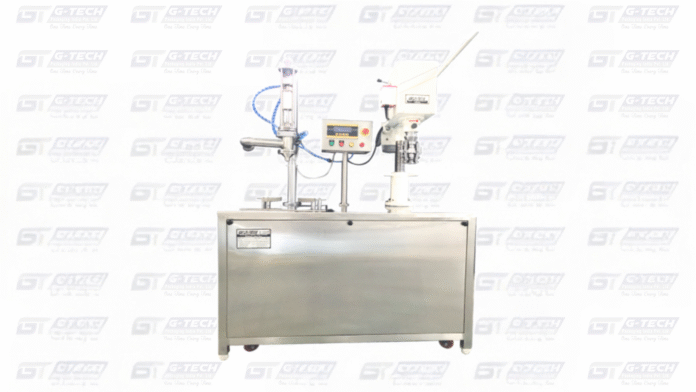
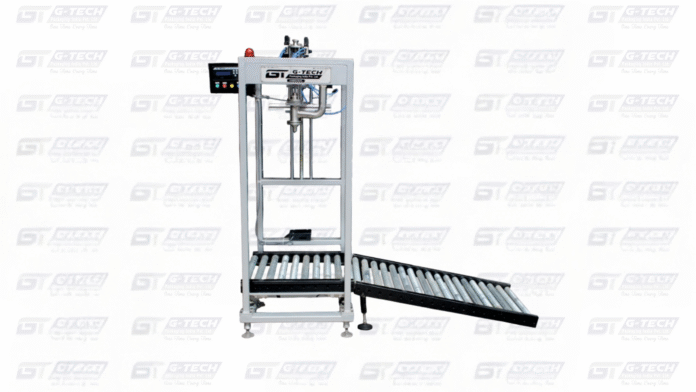
Volumetric PLC-Based Filling Machine
Special FeaturesFilling Range: 500ml to 5 liters & 2 to 15 liters, and kgBody: S.S. Elegantly Matt-Finished BodyNozzle Type: Diving Nozzle with Positive Cut-OffAccuracy of Filling: ±0.25% of...
Liquid Filling Machines

Related Products
Phenyl Filling Machine: Automating Floor Cleaner and Household Chemical Packing
How to choose a phenyl filling machine for floor cleaners and household chemicals: materials, foaming, pack sizes, safety and line planning.
Loose or Over-Tight Caps? Fixing Cap Torque Problems on Your Capping Line
Common causes of cap torque problems, from loose caps to stripped threads, and practical fixes to keep your capping line consistent.
Bottle Filling Line Layout: How to Plan Your Factory Floor
A practical guide to planning a bottle filling line layout: straight vs L-shaped lines, material flow, spacing and room to expand.
Shampoo Filling Machine: A Buyer’s Guide for Personal Care Brands
How to choose a shampoo filling machine: handling viscosity and foam, bottle shapes, pump and flip-top caps, and keeping the line clean.
Batch Coding Machine for Bottles: Where It Fits on Your Filling Line
Where a batch coding machine for bottles fits on a filling line, how to choose a coder type, and how to keep codes clear and readable.
Volumetric vs Weighmetric Oil Filling Machines: Which One Fits Your Production Line?
Volumetric or weighmetric? Compare both oil filling methods on accuracy, speed, pack size and cost to choose the right machine for your edible oil or lubricant line.
How Smart Labelling Makes Your Product Stand Out on the Shelf
Your product has about three seconds to catch a shopper's eye. In that time,...
Why Leak Testing Is the Most Overlooked Step in Liquid Packaging
A bottle can be filled accurately, capped neatly and labelled perfectly, and still fail....
How Servo-Based Filling Machines Improve Accuracy and Cut Product Wastage
In liquid packaging, small errors add up quickly. Overfilling a bottle by just a...
G-Tech Packaging India: Complete Bottle Packaging Solutions from Ahmedabad
Since 2011, G-Tech Packaging India Pvt. Ltd. has helped manufacturers pack their products faster,...

