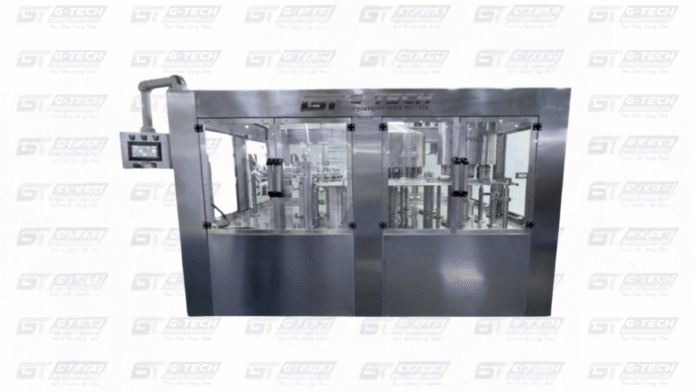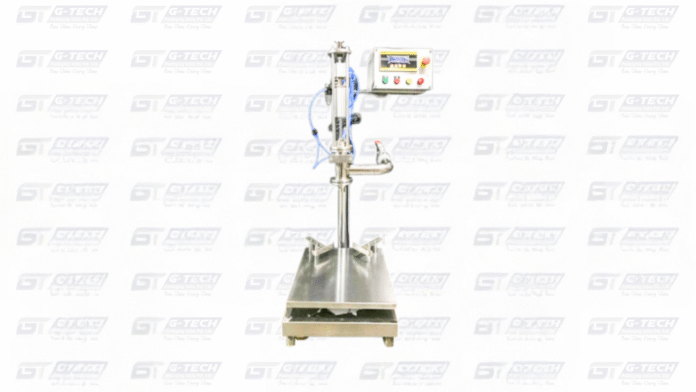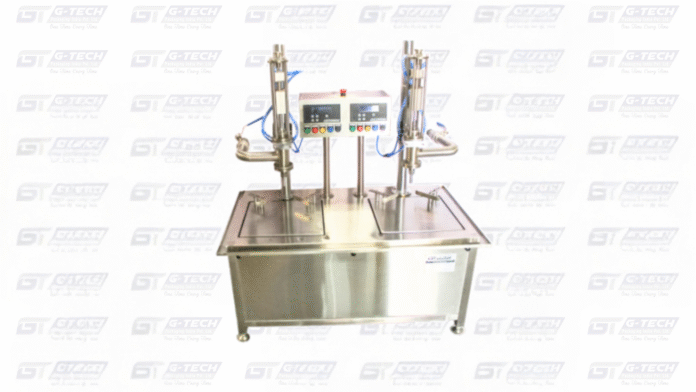

India’s edible oil and lubricant industries are undergoing a quiet but significant transformation on the factory floor: a rapid shift toward automated, servo-driven packaging lines. What was once a large-capital investment reserved for major players is now increasingly accessible to small and medium businesses.
Why These Industries Are Automating Now
Edible oil and lubricant products share a common packaging challenge: viscosity. Unlike water-thin beverages, these liquids require filling systems that can handle thicker consistencies without dripping, foaming, or inconsistent fill levels. Both industries also operate on thin margins, making product giveaway from inaccurate filling a direct hit to profitability.
This is where automatic linear gross/net weight filling machines make a measurable difference. By weighing product during the fill process and adjusting in real time, manufacturers hold fill accuracy within tight tolerances — reducing overfill losses while ensuring compliance with declared weights.
From Semi-Automatic to Fully Automatic: A Market Shift
Manufacturers in the chemical and edible oil sectors are moving away from semi-automatic filling toward fully automatic, servo-controlled systems for practical reasons:
- Minimal downtime during changeovers — modern lines switch between bottle sizes and product viscosities quickly, supporting multi-SKU production.
- Reduced dependency on manual labor — automation reduces variability introduced by manual filling and capping.
- Better long-term reliability — servo-driven systems typically need less maintenance than pneumatic or manual alternatives over their lifecycle.
Beyond Edible Oil and Lubricants
While these two categories are leading the shift, the same automation principles apply to beverage and chemical packaging lines. Any product where fill accuracy, cap integrity, or label compliance affects cost or regulatory standing benefits from a servo-driven, electronically controlled approach.
Choosing the Right Automation Partner
Manufacturers evaluating this transition should prioritize a supplier who understands their product’s specific viscosity and handling requirements, Indian manufacturing conditions and duty cycles, and the importance of responsive after-sales service and spare-parts availability.
Looking Ahead
Made-in-India packaging automation has matured significantly, giving domestic manufacturers a cost-effective alternative to imported machinery without compromising precision. As smart manufacturing and sustainability become bigger industry themes, edible oil and lubricant manufacturers investing in automation now are positioning themselves for both efficiency gains and long-term compliance readiness.