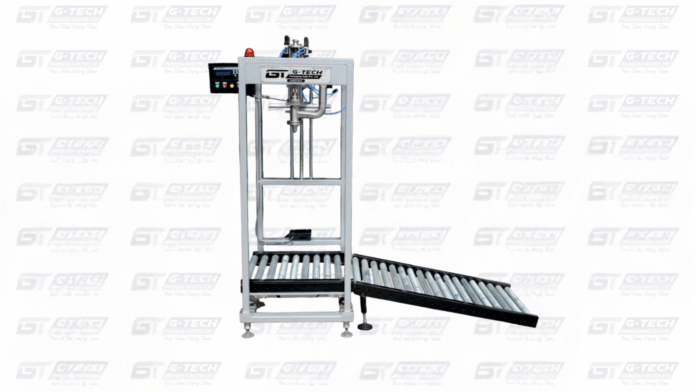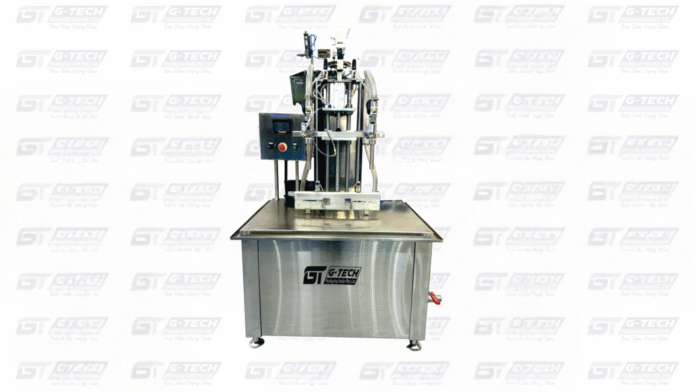

Few things hurt a brand faster than a leaking bottle. Oil on a shop shelf, a damaged carton in transit or an opened seal all reduce customer trust. Induction cap sealing is one of the simplest and most effective ways to prevent these problems.
What is induction sealing?
The cap contains a foil liner. As the bottle passes under an electromagnetic sealing head, the foil heats up for a moment and bonds to the rim of the container. The result is an airtight, hermetic seal that stays intact until the customer peels it off.
Key benefits
- Leak prevention: The seal blocks leaks during transport, handling and storage.
- Tamper evidence: A missing or broken foil tells the buyer the product was opened.
- Freshness: Less air and moisture exposure helps protect oils, food products and chemicals.
- Brand trust: A sealed bottle signals quality and safety.
- Lower losses: Fewer damaged or returned packs means less wastage.
Who needs it?
Induction sealing is widely used for edible oils, lubricants, pesticides, chemicals, pharmaceuticals, beverages, sauces and cosmetics. If your product is liquid, powder or semi-solid and sold in a bottle or jar, it likely benefits.
What to check before buying
- Cap size range: Make sure the machine handles your cap diameters, with adjustable height for different bottles.
- Speed: Match sealing speed to your filling line so it does not become a bottleneck.
- Build quality: Stainless steel construction is easier to clean and lasts longer.
- Cooling and power control: Good sealing heads prevent overheating and uneven seals.
- Online or manual: Online models work directly on the conveyor, which suits continuous production.
Common mistakes to avoid
Using the wrong liner for your product, setting incorrect sealing power or ignoring cap-torque consistency can all cause weak seals. Test with sample bottles and check seal strength before full production.
Make it part of a complete line
Induction sealing works best after filling and capping, followed by batch coding and shrink wrapping. Together, these steps give you consistent, professional packs ready for market.
Final thought
Induction sealing is a small investment compared with the cost of leakages and lost customer trust. For any oil, lubricant or chemical brand, it is a practical way to protect both the product and your reputation.
Want to add induction sealing to your line? Contact G-Tech Packaging for a demo.
What problems come up when making blogs for this site
I couldn’t verify these on the live site, so treat them as likely issues to check:
- Technical topics: Machine blogs tend to be too jargon-heavy. Pair each feature with a buyer benefit (saves money, reduces leaks).
- Few searchable keywords: Target phrases like “edible oil filling machine price in India” or “induction sealing machine manufacturer Ahmedabad”.
- No clear call to action: End each blog with a contact or enquiry prompt, as I have above.
- Thin visuals: Add machine photos, short videos and spec tables. Original images beat stock photos.
- Irregular posting: Aim for one or two posts a month on a steady schedule.
- Weak internal linking: Link each blog to the relevant product page, such as filling, sealing or coding.
I can also write a meta title and description for each blog, or draft more topics such as coding machines, shrink tunnels or tin filling. Just let me know.