
In liquid packaging, small errors add up quickly. Overfilling a bottle by just a few millilitres may look harmless, but across thousands of bottles every day it becomes a real financial loss. Underfilling creates the opposite problem, with compliance risks and unhappy customers. This is why many edible oil, lubricant and beverage manufacturers are moving to servo-based automatic filling machines.
What Is a Servo-Based Filling Machine?
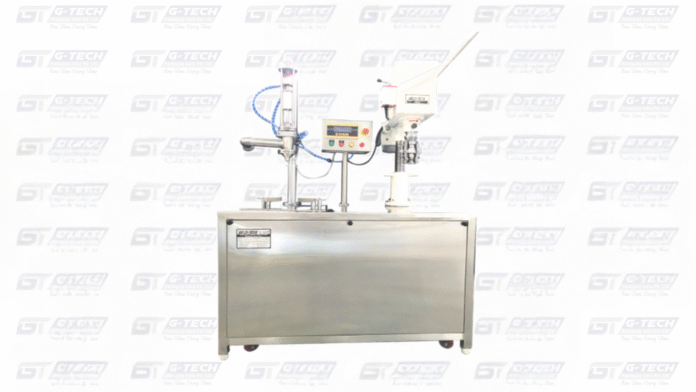
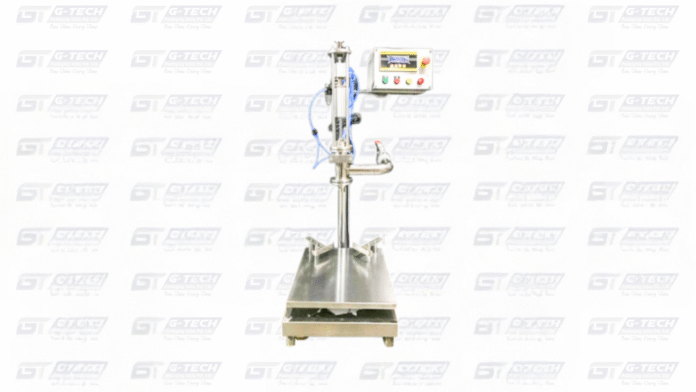
A servo-based filling machine uses servo motors to control the movement of the filling mechanism precisely. Unlike basic mechanical systems, a servo drive controls speed, position and volume electronically. Combined with a PLC (programmable logic controller), it lets operators set the exact fill volume and change it in seconds.
Key Benefits
1. High filling accuracy. Servo control keeps each fill consistent from the first bottle to the last. This protects your margins and keeps your packs within the declared quantity.
2. Zero-drip filling. Precise start and stop control, along with well-designed nozzles, prevents dripping. That means cleaner bottles, less product loss and a tidier work area, which matters most for viscous products like edible oil and lubricants.
3. Quick changeovers. If you pack multiple sizes, such as 200 ml, 500 ml, 1 litre and 5 litres, a PLC touchscreen lets you switch recipes quickly with minimal downtime.
4. Energy efficiency. Servo systems draw power only when they are working, which reduces electricity costs compared with older mechanical setups.
5. Easier maintenance. Fewer mechanical parts means less wear, simpler servicing and a longer machine life.
Built to Fit into a Complete Line
A filling machine delivers its full value when it works with the machines around it. A typical line connects a bottle feeder, filler, capping machine, induction cap sealer, labeling machine and batch coding unit through conveyors. Induction sealing protects against leakage and tampering, while coding adds batch numbers and dates for traceability. When these machines come from one manufacturer, they are matched in speed and design, so the line runs smoothly.
Choosing the Right Machine
Before investing, consider these questions:
- What product are you filling, and how thick is it?
- Which bottle or container sizes will you use?
- What daily output do you need now, and in two years?
- Do you need stainless steel construction for hygiene?
Answering them helps you avoid paying for capacity you don’t need, or buying a machine you will outgrow within a year.
Final Thoughts
Accurate filling is one of the quickest ways to cut waste and improve product quality. With over a decade of experience, G-Tech Packaging India manufactures automatic and semi-automatic filling machines, complete packaging lines and supporting equipment from Ahmedabad.
Ready to upgrade your packaging line? Contact G-Tech Packaging India for a free consultation.