HomeBlogFSSAI Rules for Edible Oil Packaging in India (2026 Update)

FSSAI Rules for Edible Oil Packaging in India (2026 Update)

In India, edible oil packaging is strictly regulated to ensure consumer safety and product quality. The Food Safety and Standards Authority of India plays a critical role in defining guidelines that manufacturers must follow. As we move into 2026, compliance has become more structured and technology-driven.

One of the most important requirements is the use of food-grade packaging materials. Containers such as PET bottles, HDPE jars, and tins must not react with the oil or alter its properties. Manufacturers are also required to ensure hygienic filling environments, minimizing contamination risks.

Labeling is another major compliance area. According to FSSAI regulations, every edible oil package must clearly display:

  • Product name and type
  • Nutritional information
  • Manufacturing & expiry date
  • Batch number
  • FSSAI license number

Incorrect or missing labeling can result in heavy penalties or product recalls.

Additionally, automation in packaging lines is increasingly encouraged. Modern filling machines ensure accurate quantity control, reduce human contact, and maintain hygiene standards. This aligns with the government’s push towards safe and standardized food processing.

Storage and transportation also fall under compliance. Edible oils must be stored in clean, temperature-controlled environments to prevent spoilage or oxidation.

In 2026, digital traceability is becoming important. Authorities are pushing for systems that track products from production to retail, ensuring transparency and quick recall if needed.

For manufacturers, following these guidelines is not just about avoiding penalties—it builds consumer trust. With growing awareness about food safety, compliant packaging can be a major competitive advantage.

GTECH Packaging solutions are designed to meet these evolving standards by offering hygienic, high-speed, and precise filling systems for edible oil industries.
More Products

Top 7 Factors to Consider Before Buying a Packaging Machine

Choosing the right packaging machine is a crucial investment for any manufacturing business. The right equipment can improve efficiency, ensure product quality, and boost...

Revolutionizing Ghee Packaging with Advanced Automation by GTECH

Ghee is one of the most essential and widely used dairy products in India and across the globe. With increasing demand and strict hygiene...

Liquid Filling Machines

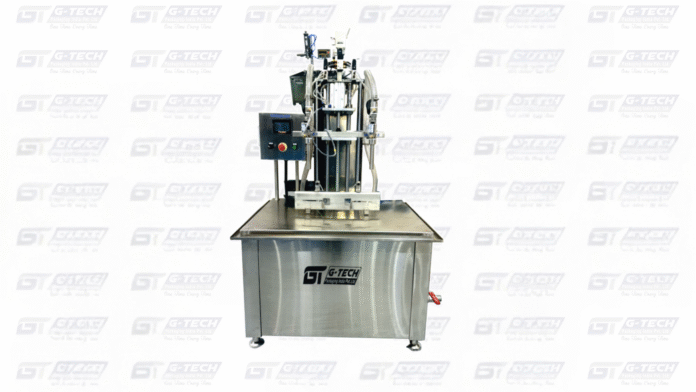
single head filling machine

Single Head Filling Machine

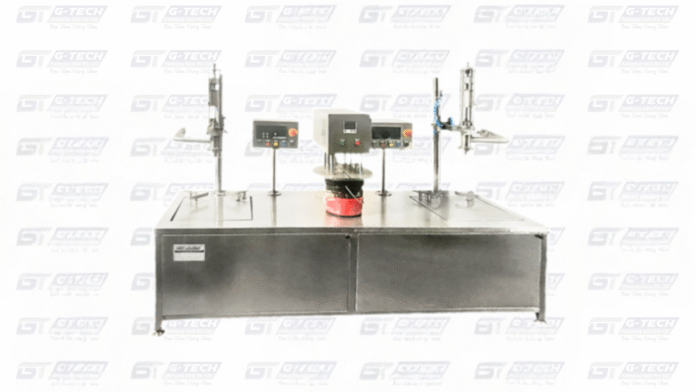
2x filling + bucket sealing

2X Filling + Bucket Sealing

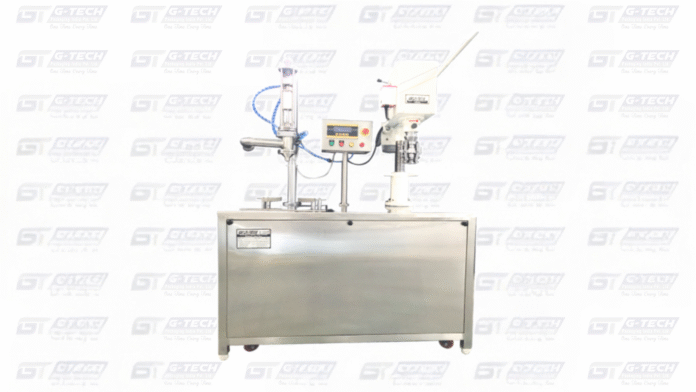
semi automatic plc based filling machine

Semi Automatic PLC Based Filling machine

Related Products

Filling Machine Speed Calculation: How to Work Out Bottles Per Minute

Learn a simple filling machine speed calculation to estimate bottles per minute, real shift output and how many filling heads your line needs.

Jerry Can Filling Machine: How to Choose One for 1–10 Litre Packs

What to look for in a jerry can filling machine for edible oil, lubricants and agro-chemicals: filling method, nozzles, capping, sealing and conveyor design.

Compressed Air Requirements for Packaging Machines: A Plant Guide

How to plan clean, dry and stable compressed air for filling, capping, sealing and labeling machines, and the air problems that cause line stoppages.

Air Compressor for Packaging Machine: Sizing and Air Quality Guide

How to choose and size an air compressor for packaging machine lines, keep compressed air clean and dry, and avoid pressure-related faults.

Air-Cooled vs Water-Cooled Induction Sealing Machine: Which to Choose

How air-cooled and water-cooled induction cap sealers differ, where each one fits on a liquid packaging line and what to check before you buy.

SS 304 vs SS 316 Filling Machine: Which Steel Grade Do You Need?

SS 304 or SS 316? A plain-English guide to choosing the right stainless steel grade for the contact parts of your liquid filling machine.

IQ, OQ and PQ for Liquid Filling Machines: A Practical Validation Guide

What installation, operational and performance qualification mean for a liquid filling machine, and how to plan validation for a pharma or regulated line.

Box Sealing Machine Problems and How to Fix Them

Tape not cutting, loose flaps, wrinkled seals or jammed cartons? Learn the causes of common box sealing machine problems and practical fixes.

Filling Machine Capacity Calculation: How to Size Your Line Correctly

A step-by-step filling machine capacity calculation for Indian factories: bottles per minute, number of nozzles, line efficiency and growth margin.

Shrink Tunnel Problems: Common Causes and Practical Fixes

Wrinkles, burn holes, loose packs or dog ears? A practical guide to the most common shrink tunnel problems and how to fix them on the line.